


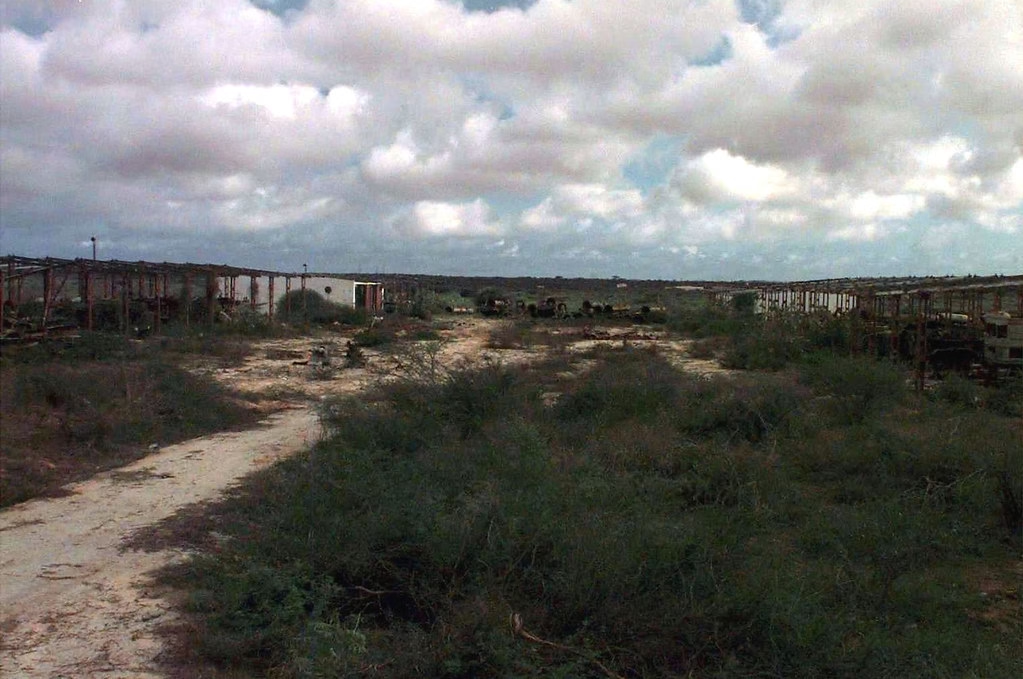
The United States military conducted targeted strikes against Iranian radar and drone control facilities over the weekend, an action officials described as a necessary self-defense measure. Simultaneously, Iranian forces retaliated by launching projectiles at an air base utilized in the initial American operation, marking a dangerous escalation as both nations remain engaged in high-stakes negotiations aimed at ending their ongoing conflict.
The Context of Escalating Hostilities
This latest exchange occurs against a backdrop of prolonged regional instability and fluctuating diplomatic efforts to de-escalate tensions. For months, the U.S. and Iran have engaged in a cycle of direct and proxy confrontations across the Middle East, primarily focused on control over strategic maritime corridors and regional security infrastructure.
Despite the combat, representatives from both sides have maintained back-channel communications to explore a ceasefire. Analysts suggest that these strikes represent a paradoxical reality where military posturing serves as a tool to gain leverage at the negotiating table rather than a total abandonment of diplomatic channels.
Tactical Strikes and Strategic Motivations
Pentagon officials stated that the U.S. strikes were specifically calibrated to degrade Iran’s ability to track and intercept aircraft. By targeting radar arrays and drone command centers, the U.S. aims to neutralize perceived threats to its regional assets.
Conversely, Tehran’s response against the designated air base serves as a tactical signal of resolve. By hitting a facility directly linked to the U.S. strike, Iran is asserting that it maintains the capability to project power despite international sanctions and military pressure.
Expert Perspectives on the Conflict
Defense analysts note that the current situation is increasingly unpredictable. Dr. Elena Vance, a senior fellow at the Center for International Security, observes that both nations are walking a fine line between strategic signaling and inadvertent total war.
“When you have active military engagement occurring alongside sensitive diplomatic talks, the margin for error is razor-thin,” Vance noted. “A single miscalculation or an unintended casualty could collapse the entire negotiation framework overnight.”
Data from regional monitoring groups indicates that drone activity has surged by 40% in the last quarter, reflecting a shift toward remote warfare. This trend reduces the immediate risk to human personnel but increases the frequency of skirmishes, creating a constant state of low-level conflict that is difficult to contain.
Implications for the Region
For the broader international community, this volatile dynamic threatens global energy markets and regional stability. Shipping lanes and oil production facilities remain at heightened risk as long as the exchange of fire persists.
Industry experts warn that if these strikes continue to escalate, the economic fallout could be significant. Increased insurance premiums for commercial vessels and potential supply chain disruptions are already being priced into the markets as a precautionary measure.
Looking ahead, observers should watch for shifts in the rhetoric from both Tehran and Washington regarding the status of the talks. If either side pulls their diplomatic team from the negotiating table, it will likely signal a transition from localized strikes to a more sustained and expansive military campaign.






















Leave a Reply