


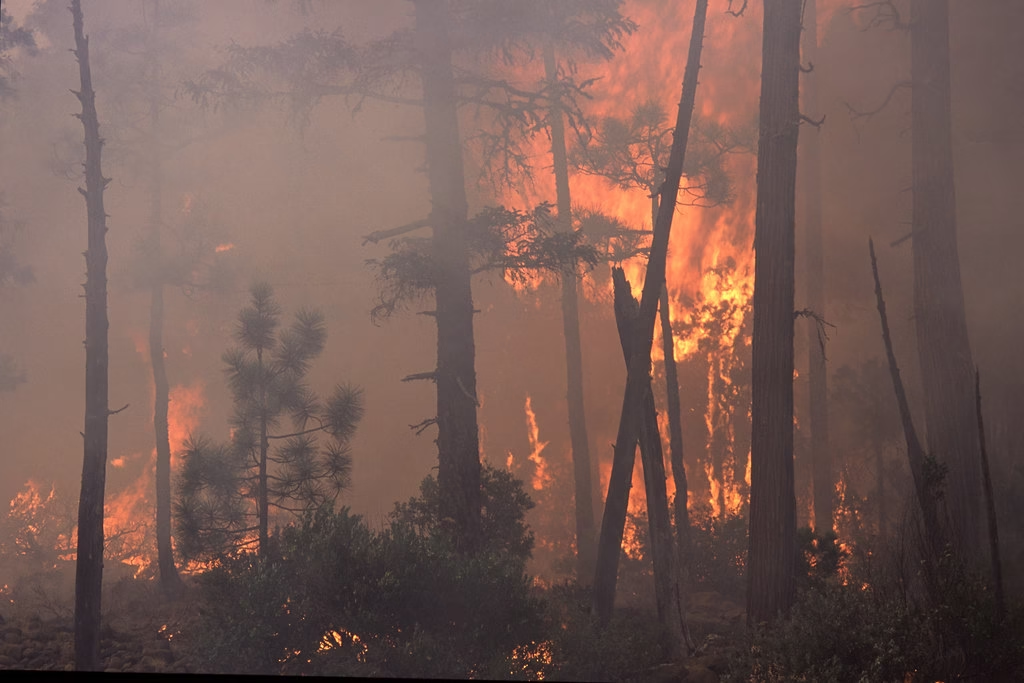
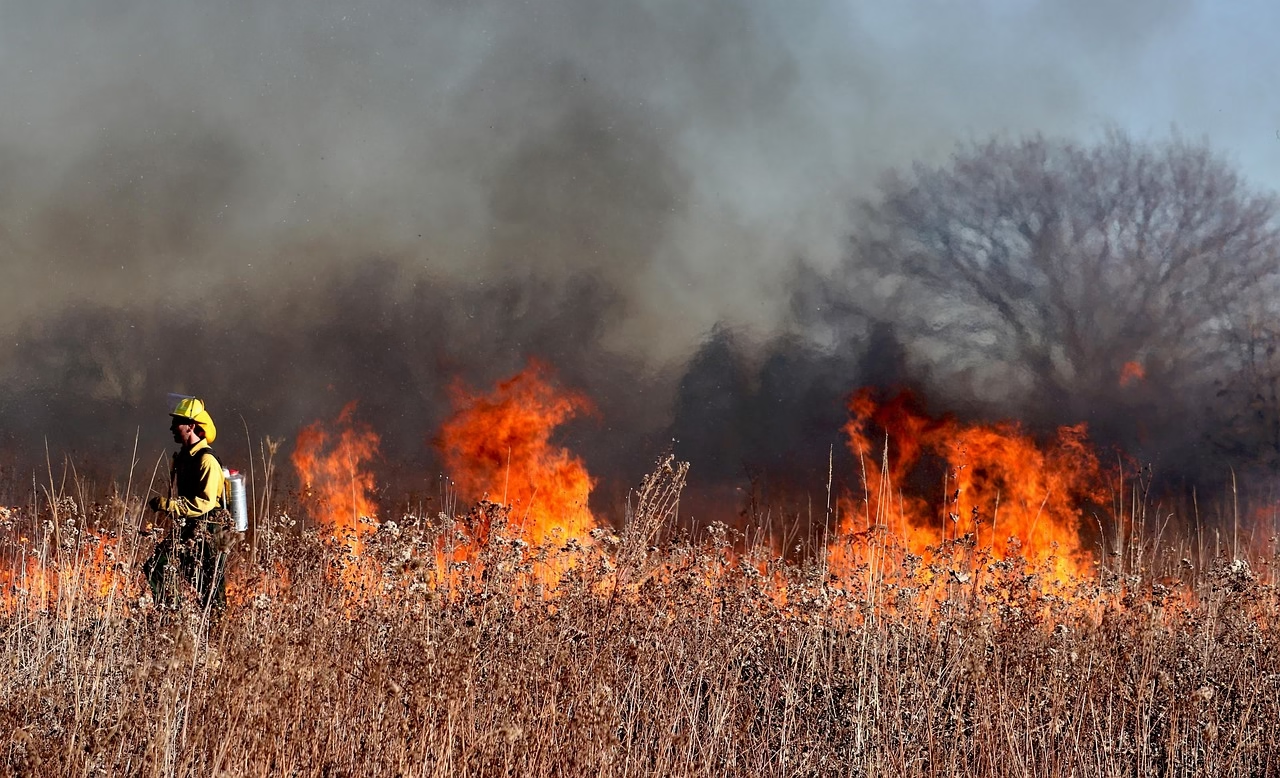
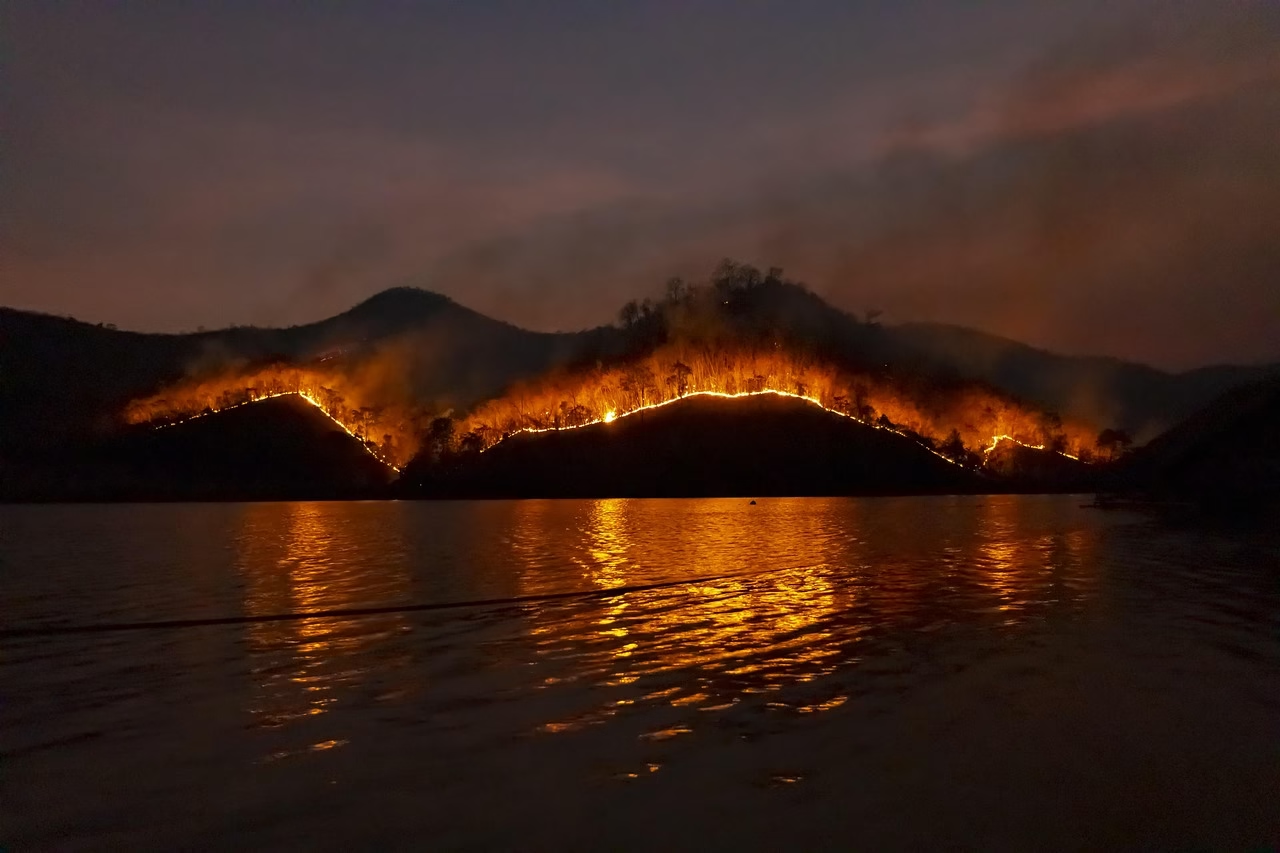
Firefighters in France are battling an unprecedented wildfire in the historic Fontainebleau forest just south of Paris, as Europe grapples with its third extreme heatwave of the summer. The blaze, which erupted this week, marks a dangerous northward shift for wildfires that have already claimed at least 13 lives in Spain. Emergency services are working around the clock to contain the flames before they reach surrounding residential areas and critical infrastructure.
The Fontainebleau forest, spanning over 25,000 hectares, is renowned for its rich biodiversity and cultural heritage. Situated just 55 kilometers southeast of Paris, the forest has historically been spared from the large-scale wildfires that regularly plague southern France. However, prolonged drought conditions and record-breaking temperatures have turned the lush woodland into a tinderbox, creating a direct threat to the capital’s green lung.
A Historic Forest Under Threat
The French meteorological agency, Météo-France, reported that temperatures in the region have soared past 40 degrees Celsius. These extreme conditions, combined with strong winds, have fueled the rapid spread of the fire through the dry undergrowth. Local authorities have closed off major portions of the forest to the public, citing extreme risk to hikers and tourists.
Historically, Fontainebleau has served as a royal hunting ground and a major inspiration for 19th-century impressionist painters. Today, it attracts millions of visitors annually, making the ecological and economic stakes of this fire exceptionally high. Environmentalists warn that a major blaze could permanently alter the forest’s fragile ecosystem, which is home to thousands of plant and animal species.
Unprecedented Northern Shift for European Blazes
The outbreak of a significant wildfire so close to Paris underscores a worrying trend observed by climate scientists this summer. Wildfires, once largely confined to the Mediterranean basin, are increasingly moving northward into regions unprepared for such disasters. Countries like Germany, the United Kingdom, and northern France are now facing fire risks previously associated only with southern Europe.
Meanwhile, Spain continues to suffer from its deadliest fire season in decades. According to Spain’s Ministry for the Ecological Transition, wildfires have consumed over 200,000 hectares of land this year alone. The human toll has been devastating, with at least 13 casualties reported, including firefighters and civilians trapped by rapidly advancing flames.
The European Forest Fire Information System (EFFIS) indicates that wildfire activity across the continent is tracking well above the 15-year average. Experts attribute this surge directly to the consecutive heatwaves that have baked the European continent since June, depleting soil moisture and drying out vegetation.
The sandy soil and rocky terrain of Fontainebleau present unique challenges for ground crews. Heavy firefighting vehicles struggle to navigate the narrow, unpaved paths, forcing crews to rely on aerial support and manual tools. “The topography of the forest makes access incredibly difficult,” explained a spokesperson for the local department. “We are fighting this fire foot by foot, under intense heat and thick smoke.”
Rising Temperatures and Ecological Vulnerability
Climatologists point out that the frequency and intensity of these heatwaves are a direct consequence of global climate change. “We are no longer looking at a future threat; we are living through it,” says Dr. Francesca de’ Donato, a public health epidemiologist. She notes that the combination of extreme heat and wildfire smoke poses severe health risks, particularly to vulnerable populations in urban areas like Paris.
Data from the Copernicus Atmosphere Monitoring Service reveals that Europe’s wildfire carbon emissions reached record highs this summer. The smoke plumes from these fires are not only degrading local air quality but are also contributing to the global greenhouse effect. This feedback loop threatens to accelerate warming, leading to even more severe fire seasons in the years to come.
In response to the crisis, European nations are sharing resources through the European Union Civil Protection Mechanism. Specialized water-bombing aircraft and ground crews from neighboring countries have been deployed to assist local forces. However, officials warn that emergency resources are being stretched to their absolute limits as multiple fires burn simultaneously across the continent.
Adapting to a New Fire Regime
The immediate focus remains on containment, but the long-term implications for European forestry and urban planning are profound. Forest management practices will likely need a complete overhaul to emphasize fire prevention, such as creating wider firebreaks and introducing more fire-resistant tree species. Urban areas near historic forests must also develop robust evacuation and air quality response plans.
As the current heatwave persists, meteorologists are closely monitoring wind patterns and humidity levels across Western Europe. The coming weeks will test the resilience of regional emergency services and determine whether the continent can adapt to this harsh new climate reality. Governments will face mounting pressure to accelerate carbon reduction targets and invest heavily in climate adaptation strategies before the next summer season begins.

















Leave a Reply