


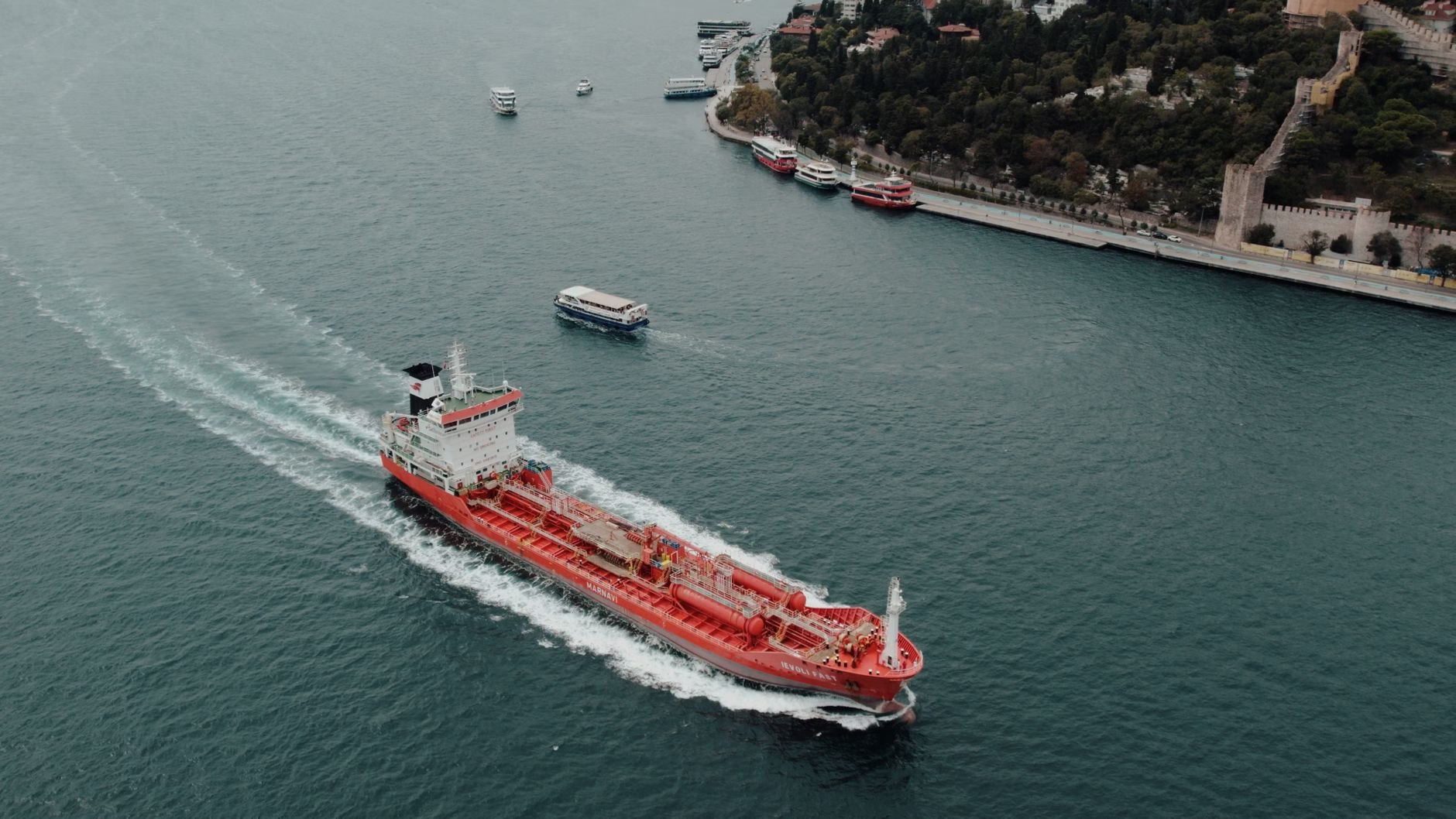
Global crude oil prices surged by more than 9 percent today, reaching their highest level in approximately a month, immediately following an announcement by President Donald Trump that the United States is reimposing a naval blockade on Iran. The dramatic policy shift, aimed at halting Iranian oil exports through the strategic Strait of Hormuz, has reignited geopolitical friction in the Middle East and triggered immediate volatility across international energy markets.
Geopolitical Tensions and the Strait of Hormuz
The Strait of Hormuz remains the world’s most critical maritime transit route for oil. Approximately 20 percent of the world’s petroleum consumption passes through this narrow waterway daily, linking Middle Eastern producers with key global markets.
The re-establishment of the blockade marks a sharp escalation in Washington’s pressure campaign against Tehran. Historically, any threat to shipping lanes in this region has sent immediate shockwaves through global financial markets due to the lack of viable alternative transport routes.
This latest action follows months of simmering diplomatic disputes over regional security and nuclear enrichment programs. By targeting Iran’s primary source of state revenue, the U.S. administration aims to force a renegotiation of existing security agreements.
US Demands Financial Reimbursement for Maritime Escorts
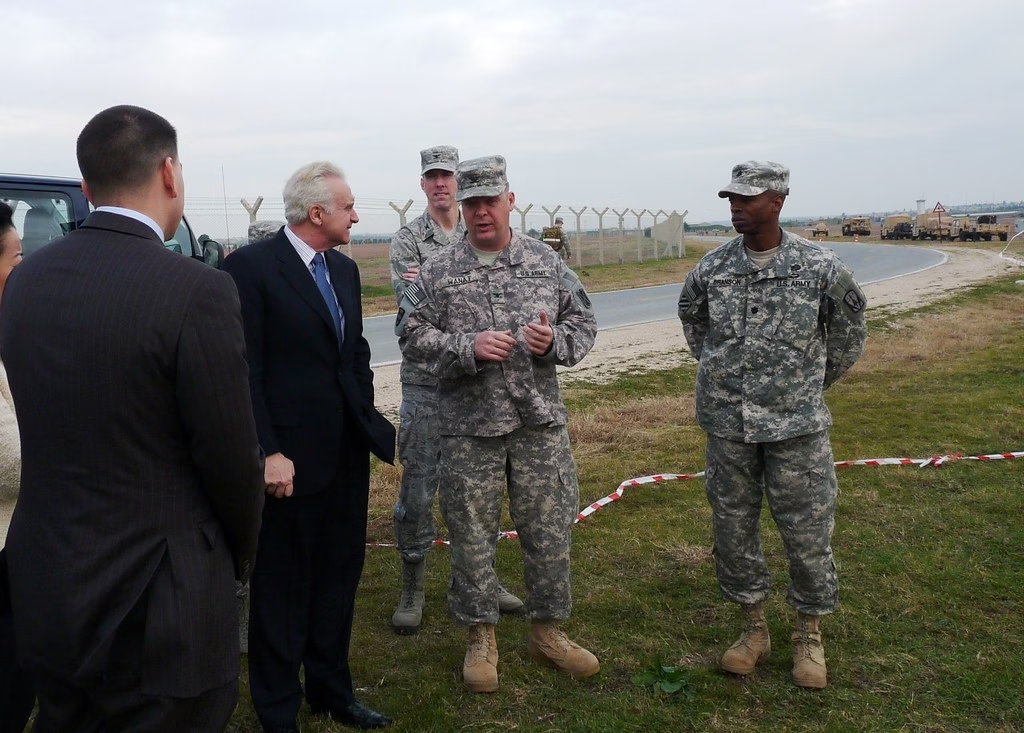
In a move that has surprised international allies, President Trump stated that the U.S. military would assist commercial vessels navigating the contested waters. However, he explicitly declared that the United States “will be reimbursed” for providing this security assistance.
This transactional approach to international maritime security introduces a highly unpredictable variable for global shipping companies. It remains unclear how the U.S. government intends to calculate or collect these security fees from foreign-flagged vessels.
Industry analysts are questioning whether this policy will apply retroactively or if it will target specific nations that rely heavily on Middle Eastern crude imports. The announcement has already prompted emergency meetings among major maritime shipping conglomerates in London and Singapore.
Market Reaction and Economic Projections
Both Brent crude and West Texas Intermediate (WTI) benchmarks recorded immediate gains exceeding 9% within hours of the White House announcement. This sudden spike reverses a recent downward trend that had brought temporary relief to global energy consumers.
“This sudden policy shift has injected a massive risk premium back into the energy sector,” said Sarah El-Amin, lead energy analyst at Global Security Dynamics. El-Amin noted that the market is pricing in the potential for physical disruptions to oil supplies.
According to data from maritime insurance syndicates, war-risk insurance premiums for tankers operating in the Persian Gulf have already spiked by an estimated 15% to 20%. These added operational costs are expected to be passed down the supply chain, ultimately affecting retail fuel prices.
Implications for Global Supply Chains and Consumers
For everyday consumers, the sudden rise in crude prices is expected to translate directly to higher gasoline and diesel costs at the pump within the next two weeks. Economists warn that sustained high energy costs could complicate ongoing efforts by central banks to curb inflation.
Major energy-importing nations in Asia, particularly China, India, and Japan, face the most immediate economic pressure. These countries rely on the Persian Gulf for the vast majority of their crude imports and have limited short-term alternatives.
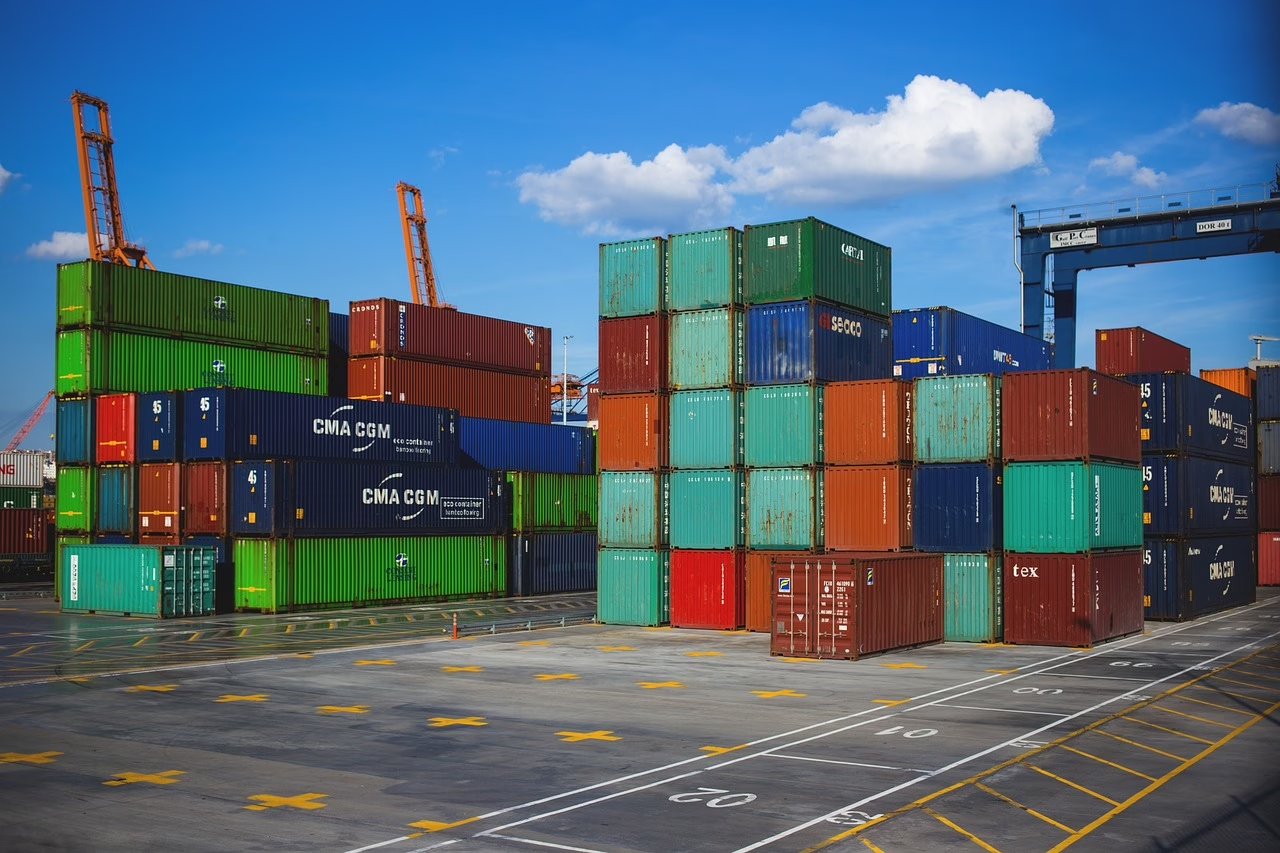
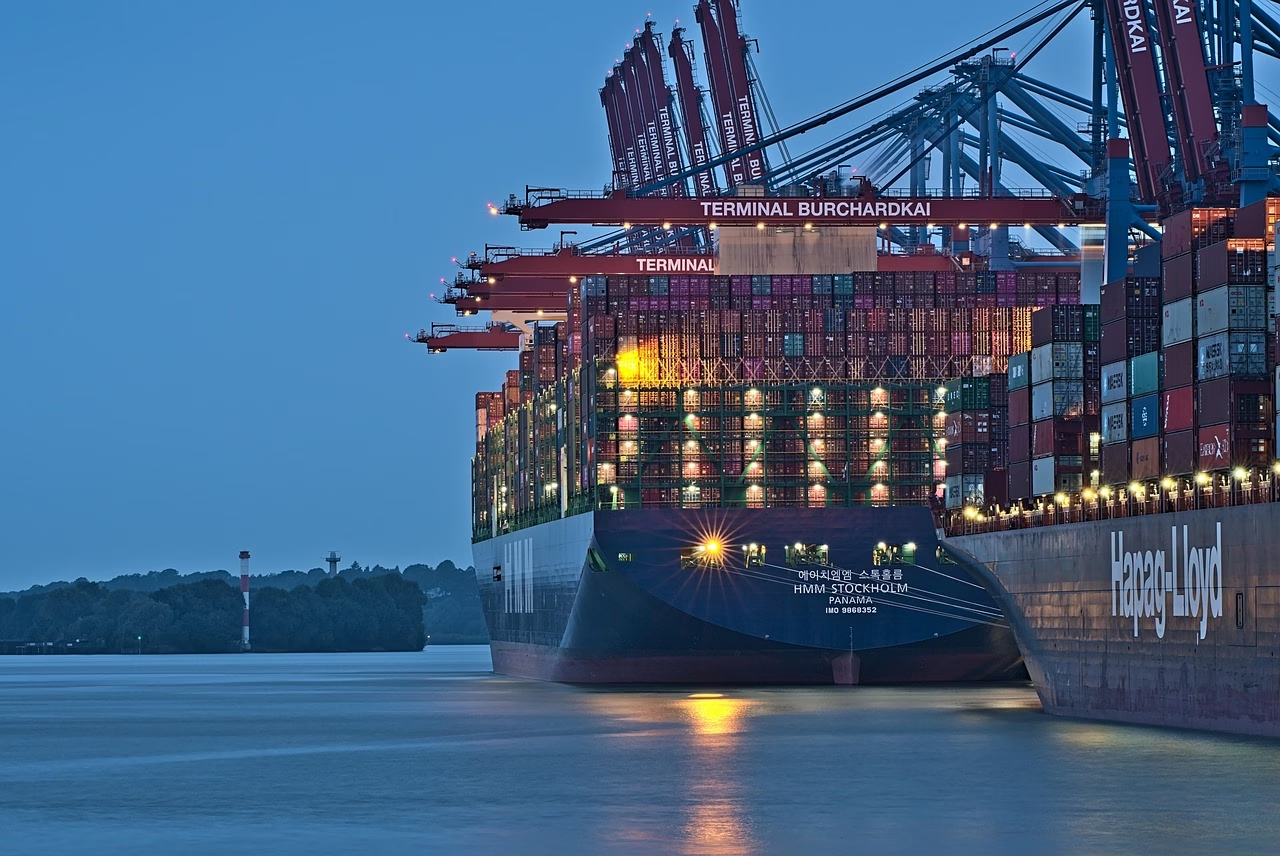
Logistics firms are already evaluating alternative routes, such as circumnavigating the Cape of Good Hope. However, this detour adds up to 14 days to transit times and significantly increases carbon emissions and fuel consumption for shipping fleets.
What to Watch Next
In the coming days, market observers will closely monitor the diplomatic response from Beijing and European capitals. Whether these powers comply with the U.S. blockade or seek to bypass it will determine the efficacy of the sanctions.
Furthermore, the reaction of OPEC+ members will be critical. Analysts are watching to see if Saudi Arabia or the United Arab Emirates will utilize their spare production capacity to stabilize global supply and prevent prices from spiraling further.
Finally, the operational details of the U.S. navy’s escort missions and the enforcement of the “reimbursement” mandate will be tested as the first commercial convoys prepare to enter the Strait under the new security protocols.





















Leave a Reply