


Diplomatic Tensions Escalate
The Iranian government officially accused the United States on Tuesday of breaching a fragile ceasefire agreement following a series of U.S.-led defensive strikes. The military action, which occurred in the Middle East, has placed significant strain on ongoing diplomatic negotiations aimed at de-escalating the long-standing conflict between the two nations.
Context of the Conflict
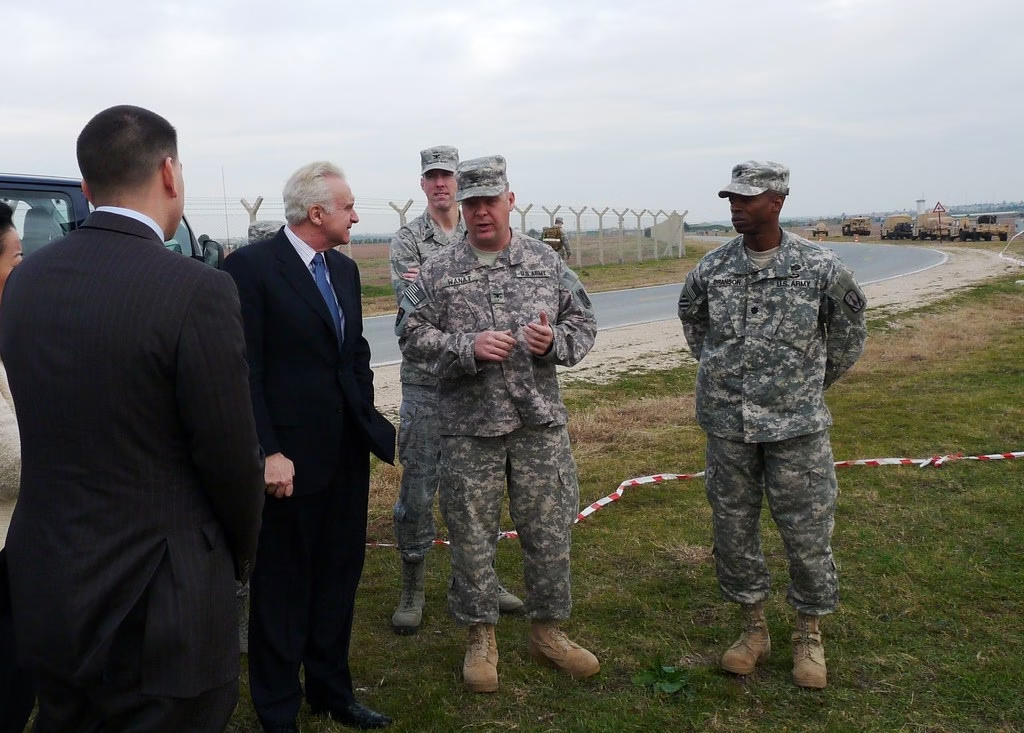
For several months, international mediators have worked to facilitate a ceasefire to stabilize the region and curb rising hostilities. The agreement, which relies on strict adherence to military restraint, has faced multiple challenges as both sides continue to monitor regional security threats. The latest U.S. strikes were officially categorized by the Pentagon as defensive measures, intended to protect personnel from imminent threats.
The Nature of the Escalation
Tehran’s leadership has characterized the U.S. strikes as a premeditated act of aggression that directly undermines the spirit of the current ceasefire. Iranian officials warned that if these actions persist, the country reserves the right to retaliate, raising fears of a broader kinetic confrontation. Conversely, Washington maintains that it retains the inherent right to self-defense when its forces are targeted by regional proxies.
Expert Perspectives
Geopolitical analysts suggest that the current situation represents a high-stakes game of signaling. According to regional security data, the frequency of low-level skirmishes has increased by nearly 15% since the ceasefire was first announced. Experts argue that both parties are currently testing the boundaries of the agreement to strengthen their respective positions at the negotiating table.
Industry and Global Implications
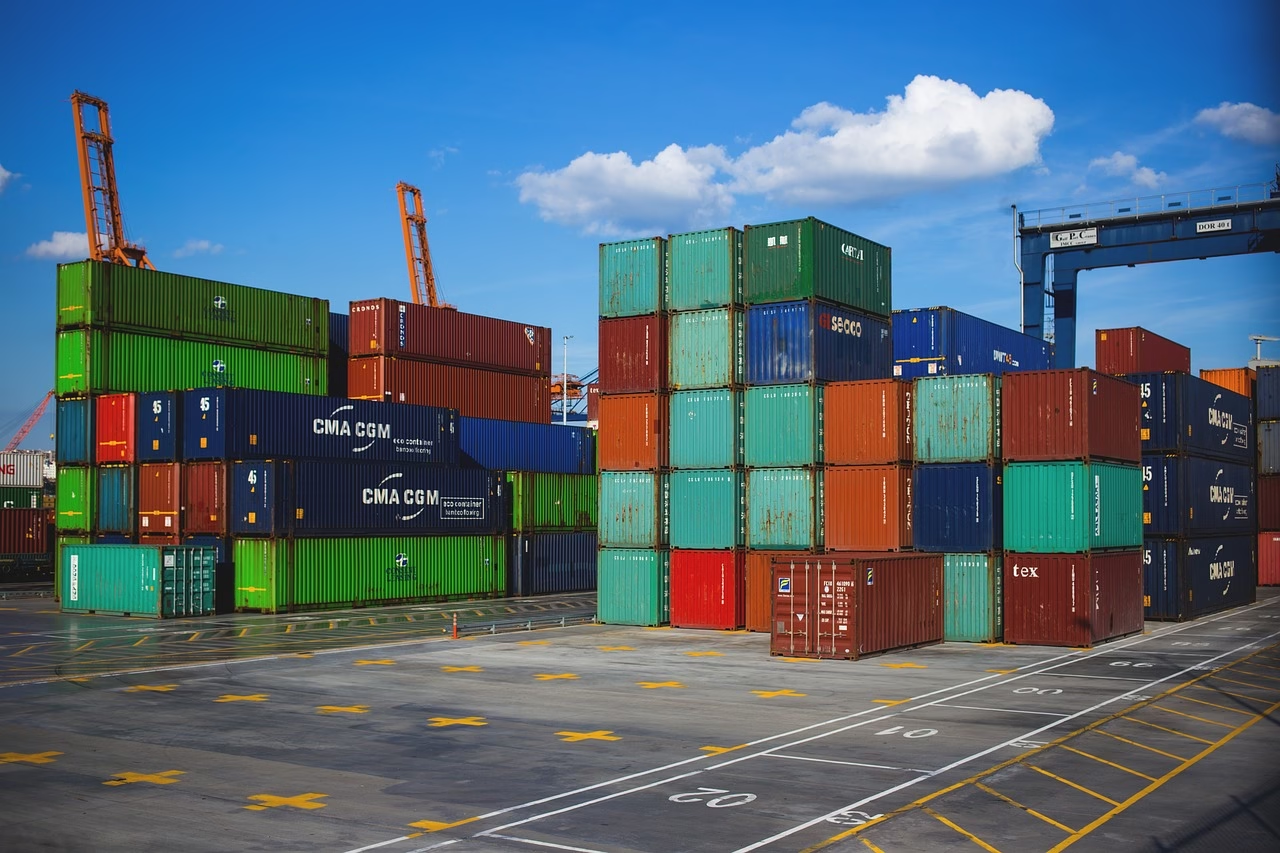
The uncertainty surrounding these latest developments has already prompted volatility in global energy markets, as traders react to the potential for supply chain disruptions in the Persian Gulf. For the aviation and shipping industries, the threat of increased military activity necessitates a review of safety protocols and regional transit routes. The instability serves as a reminder of how fragile diplomatic progress remains in high-tension zones.
Looking Ahead
Observers are now closely monitoring whether the diplomatic channels remain open or if the latest rhetoric signals a total collapse of the ceasefire. The coming week will be critical, as international mediators attempt to clarify the rules of engagement and prevent further military escalation. Markets and policymakers alike will watch for any signs of direct retaliation from Tehran or additional defensive posture adjustments from the U.S. military.























Leave a Reply