



Diplomatic channels between Washington and Tehran remain active but largely unproductive as both nations continue to dig in their heels regarding the ongoing regional war. Iranian Foreign Minister Abbas Araghchi confirmed to state media this Sunday that indirect negotiations persist, yet observers note a profound lack of tangible progress toward de-escalation.
The Current Diplomatic Landscape
The conflict, which has seen a series of escalations involving regional proxies and direct military posturing, has placed the U.S. and Iran in a precarious stalemate. While the Biden administration has consistently advocated for a contained conflict, Iranian leadership continues to assert its regional strategic interests through various diplomatic and military backchannels.
Negotiations have been hampered by a fundamental disconnect in objectives. The United States seeks to prevent the regional conflict from spiraling into a broader global crisis, while Tehran maintains its support for aligned groups as a core pillar of its national security doctrine.
Historical Context of Tensions
The current impasse follows years of frayed relations, exacerbated by the 2018 U.S. withdrawal from the Joint Comprehensive Plan of Action (JCPOA). Since then, diplomatic efforts have frequently swung between high-stakes indirect talks and periods of total silence, with both sides often relying on third-party mediators from the Gulf and Europe.
Analysts point out that the lack of direct communication remains a significant hurdle. Without a direct line of contact, the risk of miscalculation—where a tactical military decision is misinterpreted as a strategic shift—remains at its highest point in years.
Expert Perspectives on the Impasse
International security experts argue that both nations are currently prioritizing domestic stability over external compromise. According to data from the Council on Foreign Relations, the number of low-intensity skirmishes involving Iranian-backed groups has remained consistent throughout the last quarter, indicating that Tehran feels no immediate pressure to yield.
Conversely, U.S. officials maintain that their military posture in the region, including the deployment of carrier strike groups and defensive missile batteries, is designed to deter direct Iranian aggression. This “deterrence by presence” strategy is intended to provide space for diplomacy, though critics suggest it may be inadvertently fueling the very cycle of escalation it aims to break.
Implications for Global Security
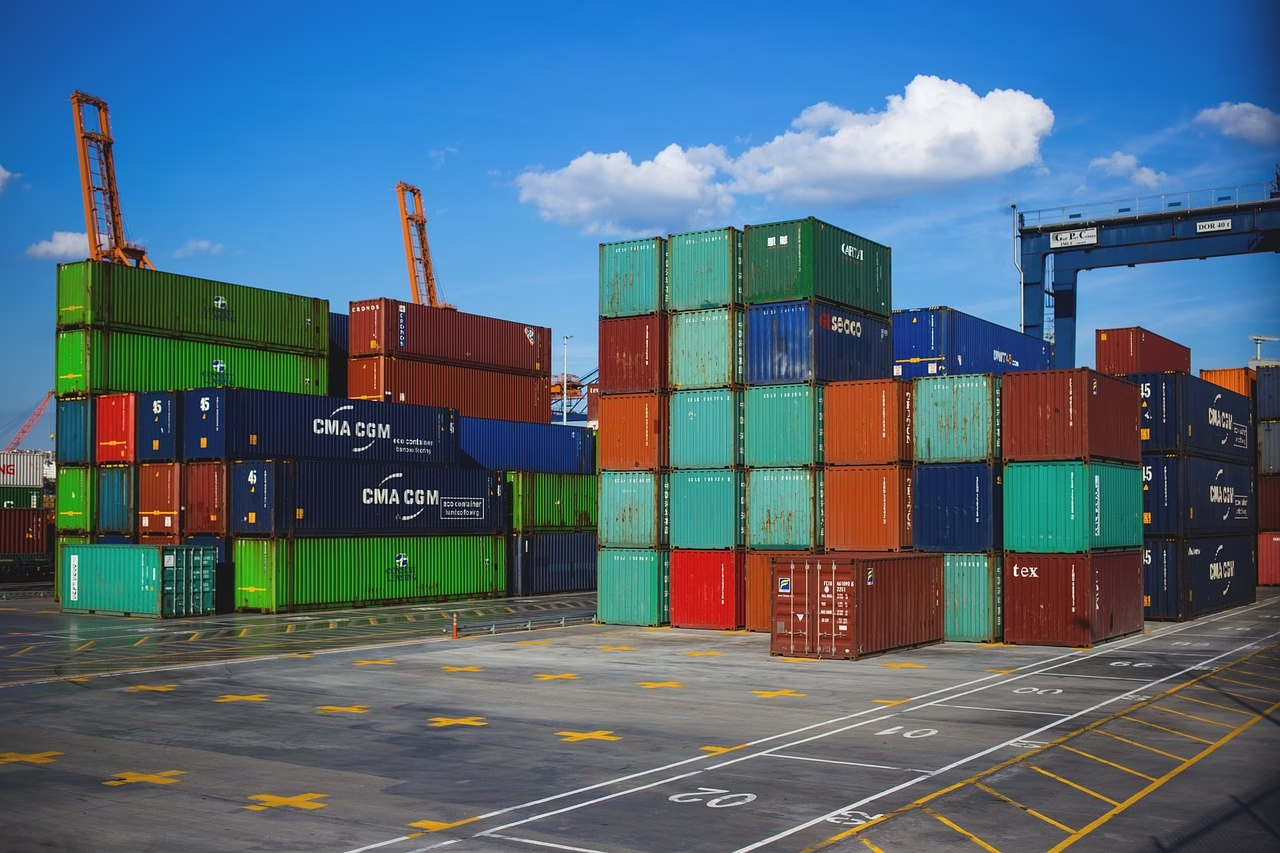
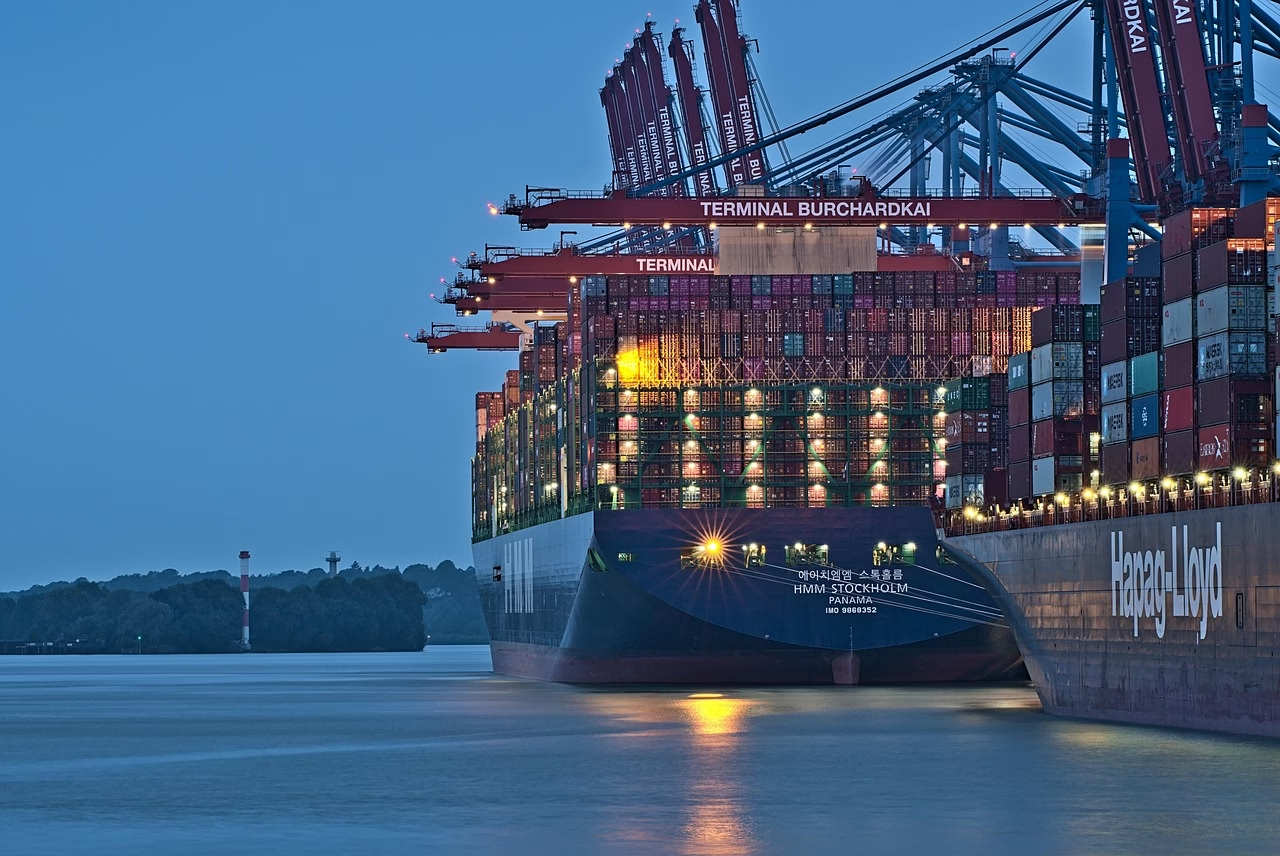
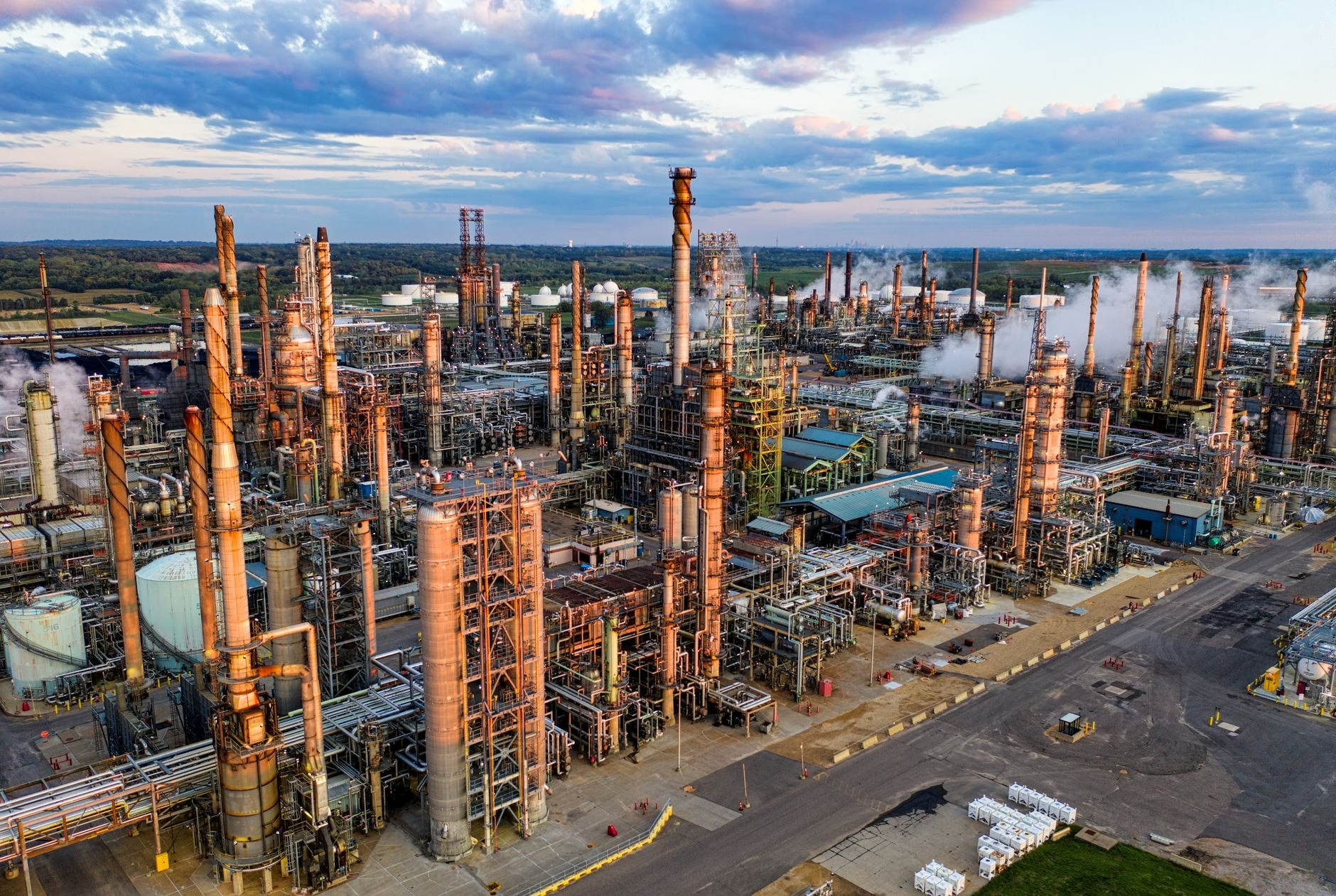
For the international community, the prolonged stall in negotiations poses a significant threat to global energy markets and maritime security. Any further expansion of the conflict could jeopardize shipping lanes in the Persian Gulf, potentially triggering a sharp rise in global oil prices.
Industry analysts warn that businesses should prepare for continued volatility in the Middle East. Supply chain disruptions and heightened insurance premiums for regional transit are likely to persist as long as the diplomatic thermometer remains high.
Moving forward, analysts will be watching for signs of movement in the upcoming session of the UN General Assembly, where potential breakthroughs or further hardening of positions are expected. Whether the parties can pivot from rhetoric to actionable frameworks for containment will be the primary indicator of whether the region enters a period of relative stability or further volatility.















Leave a Reply