


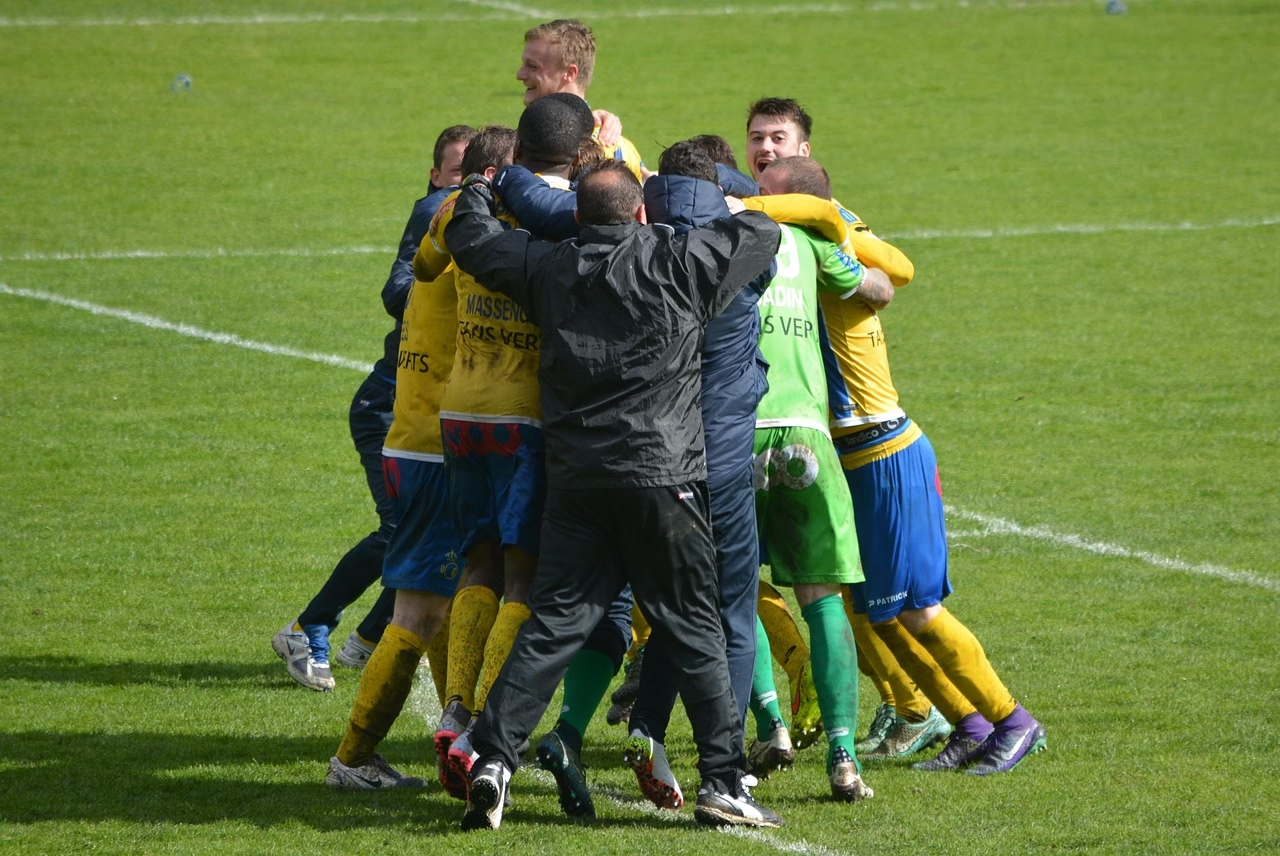
Curaçao has secured its historic position as the smallest nation ever to qualify for the FIFA World Cup, with the tournament set to commence later this month. The Caribbean island nation, which maintains a constituent country status within the Kingdom of the Netherlands, defied long-standing demographic trends by clinching a spot through a strategic integration of local talent and Dutch football infrastructure.
A Legacy of Transatlantic Cooperation
The success of the Curaçao national team is deeply rooted in its unique political and athletic relationship with the Netherlands. For decades, the island has served as a pipeline for players moving into the Dutch Eredivisie, fostering a high level of tactical development and professional exposure.
This partnership allowed Curaçao to tap into a reservoir of dual-national players who have honed their skills in elite European academies. By leveraging these connections, the national team bridged the gap between its modest domestic league and the rigorous demands of international qualifying rounds.
Strategic Development and Tactical Shifts
The path to qualification was not merely a product of administrative ties, but a rigorous tactical evolution. Under recent management, the team shifted its focus toward a disciplined defensive structure, prioritizing the experience of players who have competed at the highest levels of European club football.
Data from FIFA’s technical reports indicate that Curaçao maintained one of the highest ball-retention rates among smaller footballing nations during the qualification cycle. This efficiency allowed the squad to neutralize larger, more physically imposing opponents by controlling the tempo of play.
The Impact of Dual-Nationality Pipelines
Sports analysts suggest that the























Leave a Reply