


The Evolving Landscape of Tournament Health
As international travelers descend upon host cities for the World Cup, global health officials are shifting their surveillance focus away from exotic viral threats like Ebola toward more common, highly transmissible respiratory diseases such as measles and seasonal influenza. While high-profile pathogens often capture public attention, medical experts warn that the true risk to tournament attendees and local populations lies in the rapid spread of vaccine-preventable illnesses within densely packed stadiums and transit hubs.
Understanding the Shift in Surveillance
The transition in public health strategy reflects a broader understanding of how mass gathering events facilitate disease transmission. Historically, international sporting events prompted fears regarding rare hemorrhagic fevers, yet epidemiological data from previous tournaments indicate that outbreaks of respiratory infections and gastrointestinal illnesses are far more frequent. Health authorities are now prioritizing robust vaccination campaigns and heightened monitoring systems for endemic diseases that thrive in crowded environments.
The Mechanics of Transmission
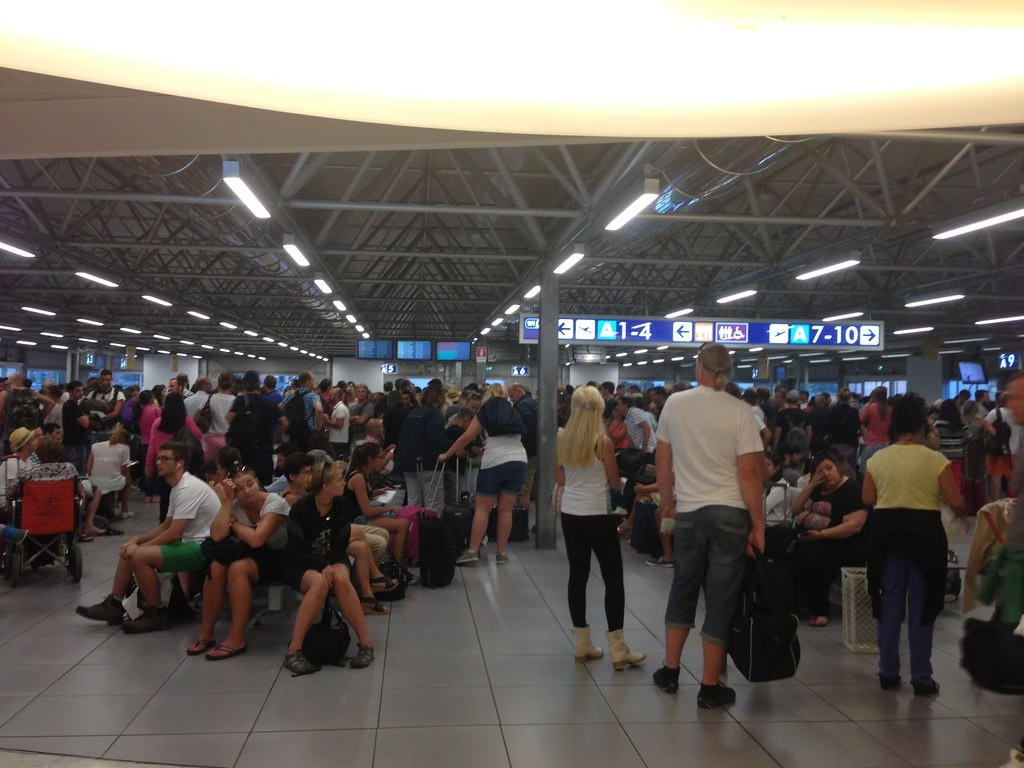
The World Cup creates a unique intersection of global mobility and high-density interaction. With millions of fans circulating through airports, public transport, and fan zones, the reproductive rate of airborne viruses like influenza can accelerate significantly. Measles, in particular, remains a primary concern for public health agencies due to its extreme contagiousness; a single case in a crowded stadium can lead to widespread exposure among unvaccinated individuals from diverse geographic regions.
Expert Perspectives on Mitigation
Dr. Elena Rossi, a specialist in infectious disease epidemiology, notes that the infrastructure for monitoring these events has become increasingly sophisticated. ‘We are moving away from reactive screening for rare, high-consequence pathogens and toward proactive, real-time surveillance of common respiratory symptoms,’ Rossi explained. Data from the World Health Organization (WHO) reinforces this, highlighting that maintaining high childhood vaccination coverage is the most effective defense against potential measles outbreaks during large-scale international gatherings.
Industry and Public Implications
For the sports and tourism industries, these health protocols represent a fundamental change in operational planning. Event organizers are now working in closer coordination with national health ministries to implement on-site vaccination clinics and rapid diagnostic testing. For the average attendee, this means a greater emphasis on individual health responsibility, including the recommendation to ensure routine vaccinations are up to date before traveling.
Looking Ahead
As the tournament progresses, health officials will monitor real-time data from local clinics to identify clusters of respiratory illness before they escalate. The long-term impact of these strategies will likely inform how future mass gatherings, from the Olympics to international summits, are managed. Observers should watch for shifts in travel advisory policies and the potential integration of digital health verification systems as a permanent fixture of global event logistics.

















Leave a Reply