


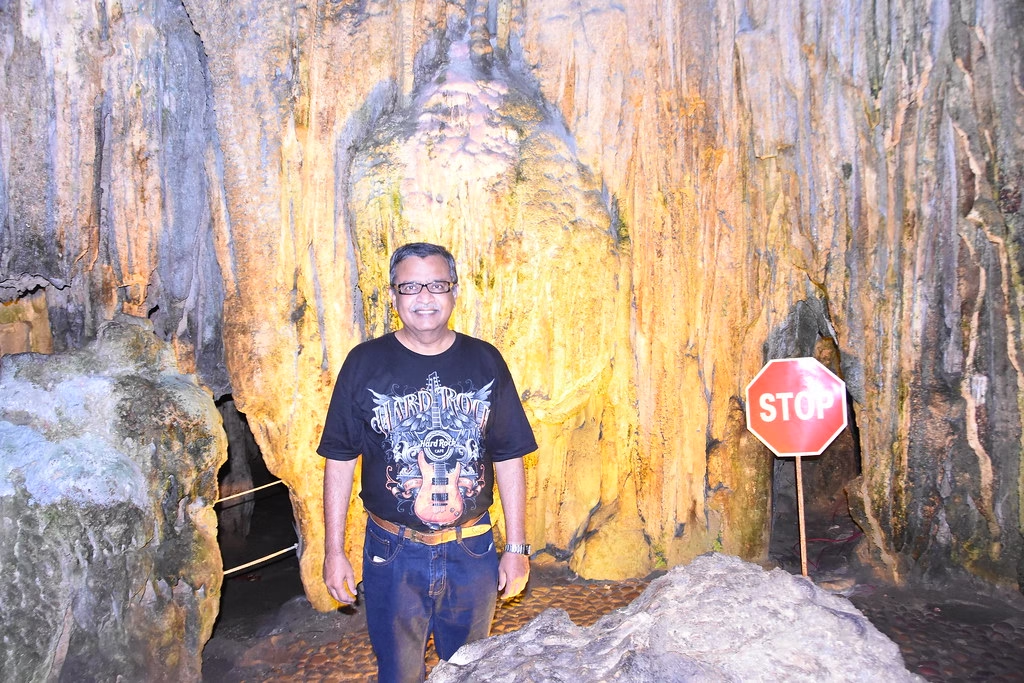
A Perilous Ordeal in the Dark
In a remote region of Laos, five men, including survivor Mued Duangsomdy, were rescued this week after being trapped for several days inside a flooded cave system. The group became stranded when sudden, intense rainfall caused water levels to rise rapidly, sealing the cave entrance and forcing the men to retreat into higher, isolated chambers to avoid drowning.
The incident highlights the volatile nature of karst topography in Southeast Asia, where cave systems are prone to flash flooding during seasonal weather shifts. Authorities in Laos confirmed that the men were located following a multi-day search and rescue operation involving local villagers and specialized rescue teams who navigated treacherous, submerged passages to reach them.
The Psychological and Physical Toll
For Duangsomdy and his companions, the experience was defined by a desperate struggle for survival in total darkness. In the days following their extraction, Duangsomdy recounted that his primary focus during the isolation was the agonizing lack of food and the psychological strain of not knowing if rescue would ever arrive.
Medical experts note that survival in such environments is determined by a narrow margin of factors, primarily the ability to maintain body temperature and manage the psychological impact of sensory deprivation. Research from the British Cave Rescue Council suggests that hypothermia is the greatest risk in flooded caves, even in tropical climates, as stagnant water can rapidly sap body heat.
The Dangers of Karst Exploration
Laos is home to some of the most extensive and complex limestone cave networks in the world, many of which remain unmapped and dangerous for those lacking professional training. This event serves as a stark reminder of the risks faced by local foragers and explorers who frequent these areas without advanced safety equipment.
According to data from local geological surveys, the monsoon season significantly alters the internal geography of these caves. What may be a dry, accessible passage in the morning can become a high-pressure conduit for water within hours, trapping anyone inside who is not prepared for rapid environmental changes.
Lessons for Future Safety
For the local communities and the broader caving industry, the successful rescue underscores the critical need for improved communication and safety protocols in high-risk zones. The incident has prompted calls for the installation of early-warning systems in popular cave entrances and increased education regarding the dangers of entering subterranean spaces during the rainy season.
Moving forward, authorities are expected to evaluate the feasibility of restricting access to high-risk cave zones during periods of heavy rainfall. Observers will be watching to see if this incident leads to formal safety regulations or community-led monitoring initiatives aimed at preventing similar entrapments in the future.




















Leave a Reply