


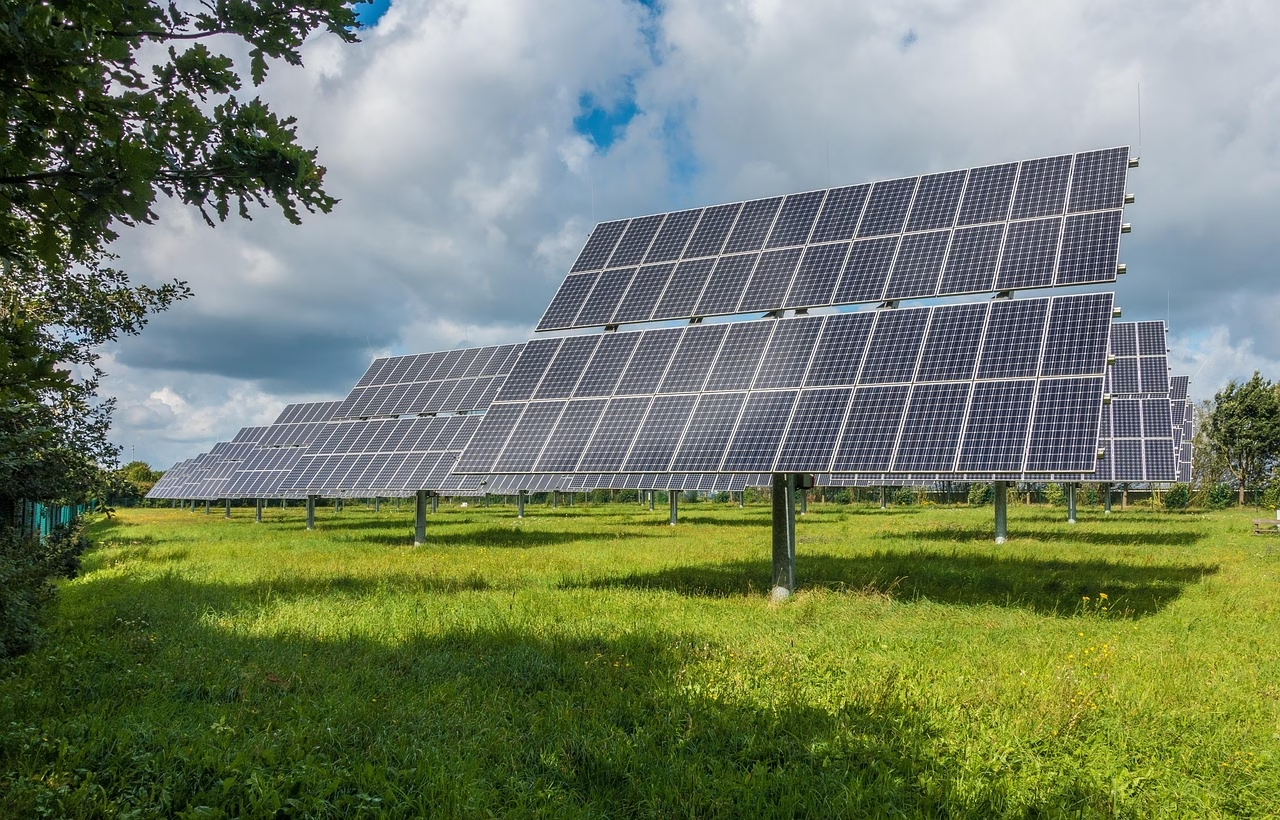
Across Cuba, residents are increasingly turning to off-grid energy solutions, including solar panels and charcoal, as the nation grapples with persistent power outages and severe fuel shortages that have crippled the national grid throughout 2024. As the state-run electrical system struggles with aging infrastructure and chronic maintenance deficits, families are bypassing traditional utility dependence in a desperate bid to maintain basic household functionality.
The Context of Grid Instability
Cuba’s electrical infrastructure has faced years of degradation, exacerbated by a lack of investment and the high cost of fuel imports. Frequent, prolonged blackouts—sometimes lasting up to 12 hours a day—have become a defining feature of daily life, disrupting everything from refrigeration to water pumping systems.
Government officials have repeatedly pointed to the tightening of international sanctions and the difficulty of securing foreign exchange to purchase fuel. Meanwhile, the reliance on an outdated, centralized grid has left the population uniquely vulnerable to even minor technical failures at the nation’s aging thermal power plants.
The Rise of Decentralized Energy
For a small segment of the population with access to remittances or private savings, solar energy has emerged as a transformative, albeit expensive, solution. Small-scale photovoltaic installations allow households to maintain lighting, internet connectivity, and low-wattage appliances, effectively insulating them from the unpredictability of the national grid.
However, the transition to solar remains prohibitively expensive for the average citizen. The cost of importing panels, batteries, and inverters often exceeds the annual income of many workers, creating a widening divide between those who can afford energy independence and those who cannot.
Traditional Alternatives and Health Risks
For the vast majority of Cubans, the solution to fuel shortages is a return to traditional methods. The use of charcoal for cooking has seen a significant resurgence, as liquefied petroleum gas (LPG) remains in short supply or entirely unavailable in many regions.
Public health experts have expressed concern regarding this shift, noting the respiratory risks associated with indoor charcoal burning. Despite these dangers, the economic reality forces many families to prioritize immediate food preparation over long-term health considerations, as the price of charcoal continues to climb due to high demand.
Economic and Social Implications
The reliance on these informal energy sources highlights a broader shift in the Cuban economy toward private, localized solutions. This move away from state-provided utilities suggests a permanent change in how citizens perceive public service delivery.
Industry analysts note that the current energy crisis acts as a catalyst for a burgeoning informal market for energy equipment. Businesses that provide solar installation services are seeing increased demand, yet they face severe supply chain bottlenecks due to import restrictions and logistical challenges.
Future Outlook
Observers are closely watching government policy regarding renewable energy incentives, as current regulations remain restrictive for private entities looking to scale up solar infrastructure. If the state continues to struggle with fuel imports, the trend toward household-level energy autonomy is expected to accelerate, potentially forcing a reevaluation of Cuba’s centralized energy model.
The coming months will be critical, as the government attempts to balance the need for grid stability with the growing demand for decentralized, private-sector energy solutions that could alleviate the pressure on the national system.















Leave a Reply