


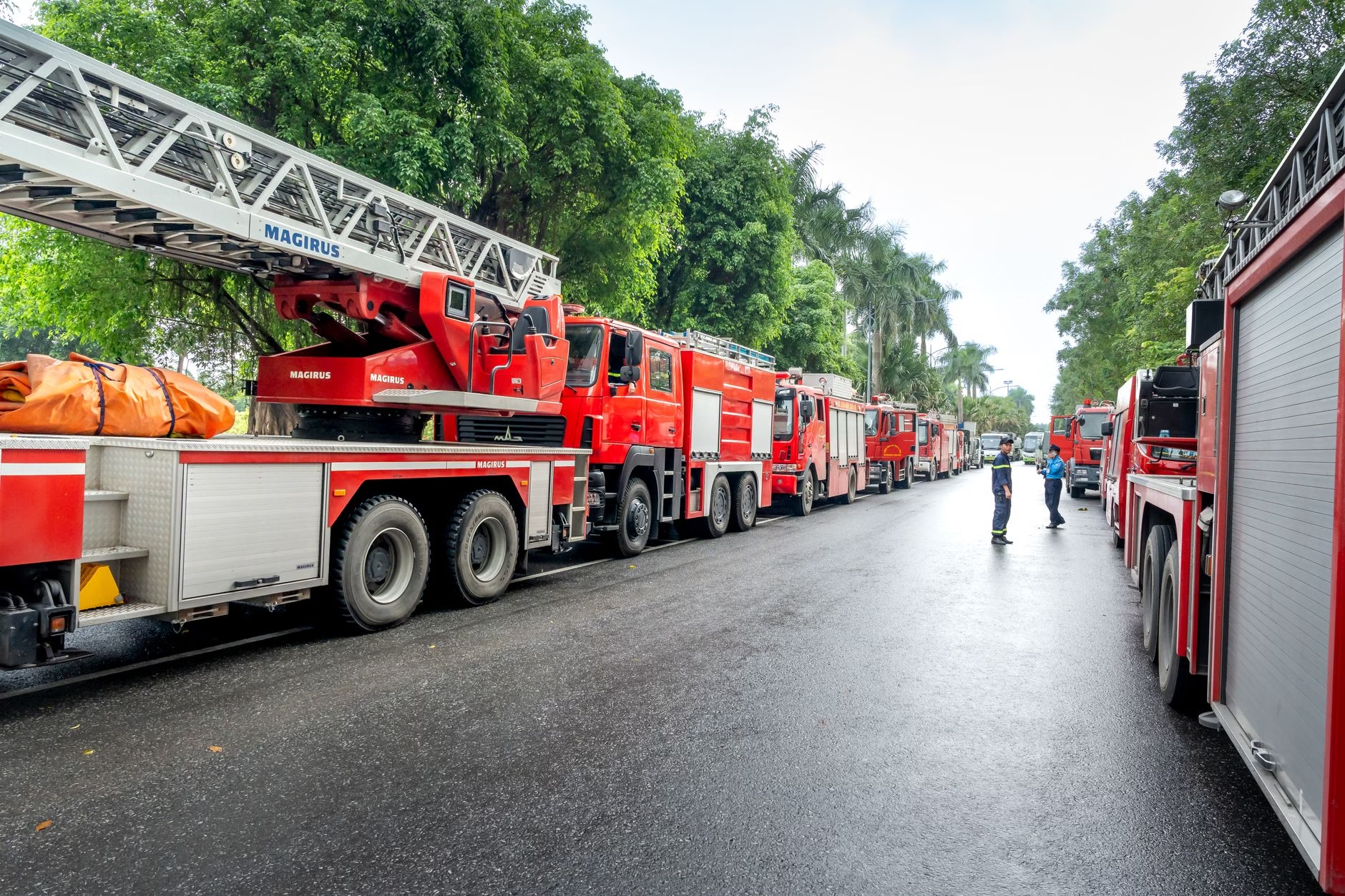
A devastating fire tore through the Na Ladprao pub in northern Bangkok late Friday evening, killing at least 27 people and leaving dozens injured, according to Thai emergency services and municipal authorities. The fast-moving blaze trapped patrons inside the popular nightlife venue, sending thick plumes of black smoke billowing into the night sky and sparking a massive rescue operation.
A History of Nightlife Vulnerability
This tragedy echoes previous catastrophic entertainment venue fires in Thailand, most notably the 2009 Santika Club fire in Bangkok which killed 66 people, and the more recent Mountain B pub fire in Chonburi province in 2022, which claimed 26 lives. Historically, rapid urbanization and lax enforcement of building codes have left many of Bangkok’s older entertainment establishments vulnerable to fire hazards.
Industry analysts note that despite repeated promises of reform from municipal leaders, compliance with safety standards remains inconsistent across the capital’s sprawling nightlife districts. Many venues operate in converted structures that lack the necessary safety infrastructure to handle emergency evacuations.
Swift Destruction and Blocked Exits
Eyewitness footage shared online by first responders captured the terrifying speed of the inferno, showing flames fully engulfing the front facade of the Na Ladprao pub within minutes of ignition. Firefighters arriving at the scene faced intense heat and heavy smoke, which severely hindered initial rescue efforts.
The disaster unfolded during a busy weekend night when the pub was hosting a live music performance, drawing a dense crowd of young locals and university students. Forensic investigators are analyzing the venue’s electrical wiring, as early reports suggest a short circuit near the stage may have ignited flammable ceiling decorations.
Preliminary reports from the Bangkok Fire and Rescue Department indicate that many of the victims were found near the building’s exits, suggesting a bottleneck occurred as panicked patrons tried to flee. Survivor accounts describe a sudden loss of electricity immediately after the fire broke out, plunging the crowded, smoke-filled venue into complete darkness and rendering exit signs invisible.
Regulatory Gaps and Expert Analysis
“Many of these venues operate in converted commercial buildings that were never designed to hold large crowds safely,” said Dr. Suchatvee Suwansawat, a prominent structural engineer and former president of the Engineering Institute of Thailand. He emphasized that the combination of single-point entryways, highly flammable interior decor, and a lack of functional sprinkler systems creates a recipe for disaster.
Furthermore, international safety standards require venues of this capacity to feature at least two widely separated emergency exits and automated alarm systems. The Na Ladprao pub reportedly had only one primary exit accessible to the public, with a secondary rear door locked to prevent patrons from leaving without paying.
According to data from the Bangkok Metropolitan Administration (BMA), less than 40 percent of nightlife venues in the northern districts have undergone comprehensive fire safety audits in the last calendar year. Legal experts point out that enforcement mechanisms in the hospitality sector often fail due to bureaucratic overlap between the Ministry of Interior and local municipal offices.
Industry Repercussions and Future Oversight
The scale of the Na Ladprao tragedy is expected to trigger immediate economic and political repercussions for Bangkok’s tourism-dependent economy. Tourism authorities worry that high-profile safety failures could damage Thailand’s international reputation as a safe travel destination.
In response, Bangkok Governor Chadchart Sittipunt has ordered an immediate city-wide inspection of all entertainment venues, promising severe penalties for establishments found operating without proper permits or adequate fire safety equipment. Moving forward, observers are watching whether the Thai parliament will fast-track proposed amendments to the Building Control Act, which would mandate retrofitting older commercial buildings with modern fire suppression systems.


























Leave a Reply