


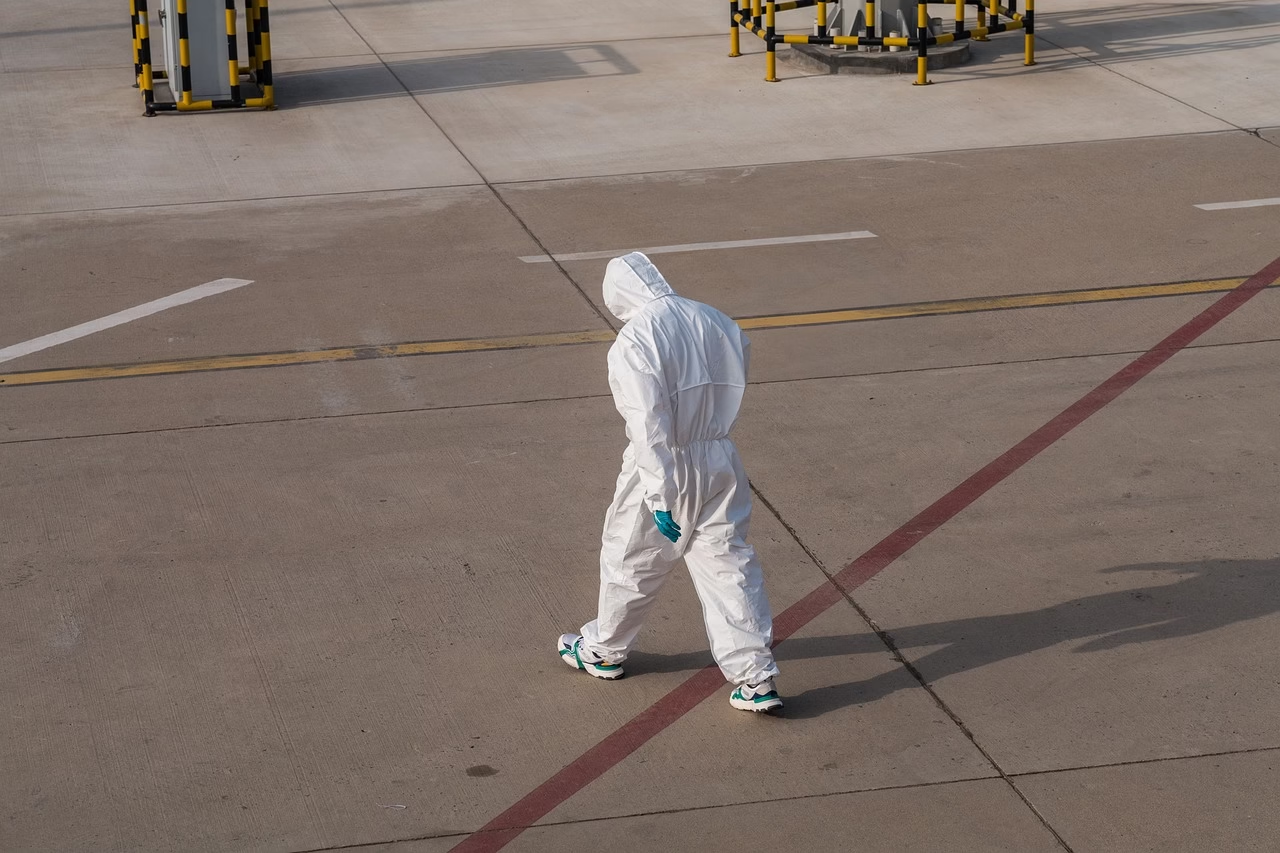
Public Health Officials Address Global Containment Efforts
World Health Organization (WHO) Director-General Dr. Tedros Adhanom Ghebreyesus traveled to the Democratic Republic of the Congo (DRC) this past weekend to oversee the escalating response to a persistent Ebola outbreak. While health agencies in Brazil and Italy recently cleared suspected cases within their borders, the situation in the DRC continues to demand urgent international attention as infection rates and fatalities climb.
The current outbreak in the DRC represents one of the most challenging public health crises in the region’s recent history. The virus, characterized by high mortality rates and rapid transmission, has created a significant strain on local medical infrastructure. Despite international monitoring, the proximity of the outbreak to densely populated areas has kept global health organizations on high alert.
The Context of Ebola Containment
Ebola virus disease is a severe, often fatal illness in humans, typically transmitted through direct contact with the blood, secretions, or bodily fluids of infected individuals. Since its discovery in 1976, the virus has triggered sporadic outbreaks, primarily in Central and West Africa. The current mission in the DRC serves as a critical effort to prevent the localized crisis from evolving into a broader regional or international epidemic.
The recent false alarms in Brazil and Italy underscore the global vigilance required to manage such threats. In both instances, individuals presenting with symptoms consistent with the virus were isolated and tested immediately. These swift interventions highlight the efficacy of global health surveillance protocols, which are designed to identify and isolate potential cases before they can enter the broader population.
Analyzing the Response Strategy
The WHO’s direct involvement at the epicenter is focused on strengthening local diagnostic capabilities and expanding vaccination programs. Current strategies prioritize ring vaccination, where contacts of confirmed cases are inoculated to create a protective barrier. Experts note that community engagement is equally vital, as misinformation often hinders medical efforts in affected provinces.
Data from the WHO indicates that early detection remains the most effective tool in curbing mortality. When medical teams can trace transmission chains effectively, they can limit the spread of the virus. However, conflict in the region often limits access for health workers, complicating the delivery of essential supplies and the maintenance of patient care facilities.
Industry Implications and Future Outlook
For the global healthcare industry, this crisis reinforces the necessity of robust, cross-border data sharing and rapid response protocols. Pharmaceutical companies are under increased pressure to accelerate the production of vaccines and therapeutic treatments. The success of these interventions will determine whether the international community can effectively suppress the current outbreak before it spreads further.
Observers should monitor the stabilization of transmission rates in the coming weeks as a key indicator of the mission’s success. The integration of local leaders into the response framework will also be a critical factor in public compliance with health directives. As the WHO continues its work on the ground, the focus remains on closing existing gaps in surveillance and ensuring that neighboring nations remain prepared for potential cross-border transmission.























Leave a Reply