



Escalating Tensions in the Middle East
The tenuous ceasefire between the United States and Iran has fractured this week as both nations engaged in a series of retaliatory military strikes across the Middle East. Despite ongoing back-channel negotiations aimed at de-escalation, recent cross-border skirmishes have intensified, leaving the prospect of a lasting peace deal increasingly uncertain.
The Context of the Conflict
The current cycle of violence stems from long-standing geopolitical friction, which has recently intensified following a series of maritime incidents and regional proxy confrontations. For months, diplomatic envoys have attempted to stabilize the region, but the lack of a formal, binding agreement has allowed tactical miscalculations to trigger frequent combat exchanges.
Military analysts suggest that the absence of a unified communication channel has exacerbated the situation. Both Washington and Tehran are currently navigating a high-stakes environment where internal political pressures often outweigh the desire for diplomatic progress.
Strategic Shifts and Military Posturing
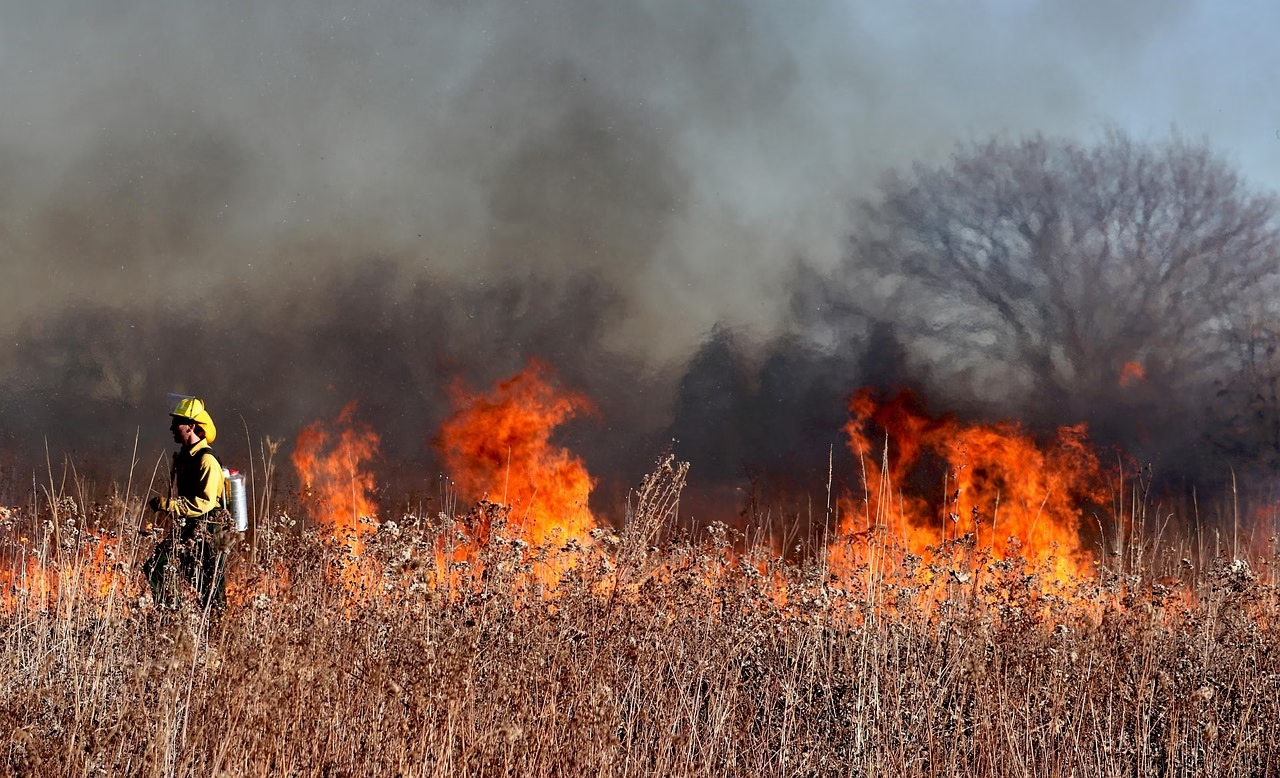
The latest exchange began when U.S. forces conducted targeted strikes against facilities linked to Iranian-backed groups, citing threats to regional personnel. Iran responded shortly thereafter with a wave of drone and missile strikes, claiming these actions were necessary to deter further incursions into its sphere of influence.
Data from the Institute for the Study of War indicates that these strikes have become more precise and frequent, moving beyond symbolic posturing to target critical logistical infrastructure. This escalation marks a departure from the relatively contained skirmishes seen earlier this year, raising concerns about a potential slide into a wider regional conflict.
Expert Perspectives
Defense analysts note that the current situation is characterized by a dangerous lack of clarity. Dr. Elena Rossi, a senior fellow at a prominent security think tank, observes that both parties are performing a delicate balancing act. She notes that both sides are attempting to project strength to domestic audiences while simultaneously signaling that they do not want a total, unrestricted war.
However, historical data on regional conflicts suggests that this strategy is inherently unstable. As the frequency of these exchanges increases, the probability of an unintended casualty incident that forces a major escalation grows exponentially.
Implications for Global Stability
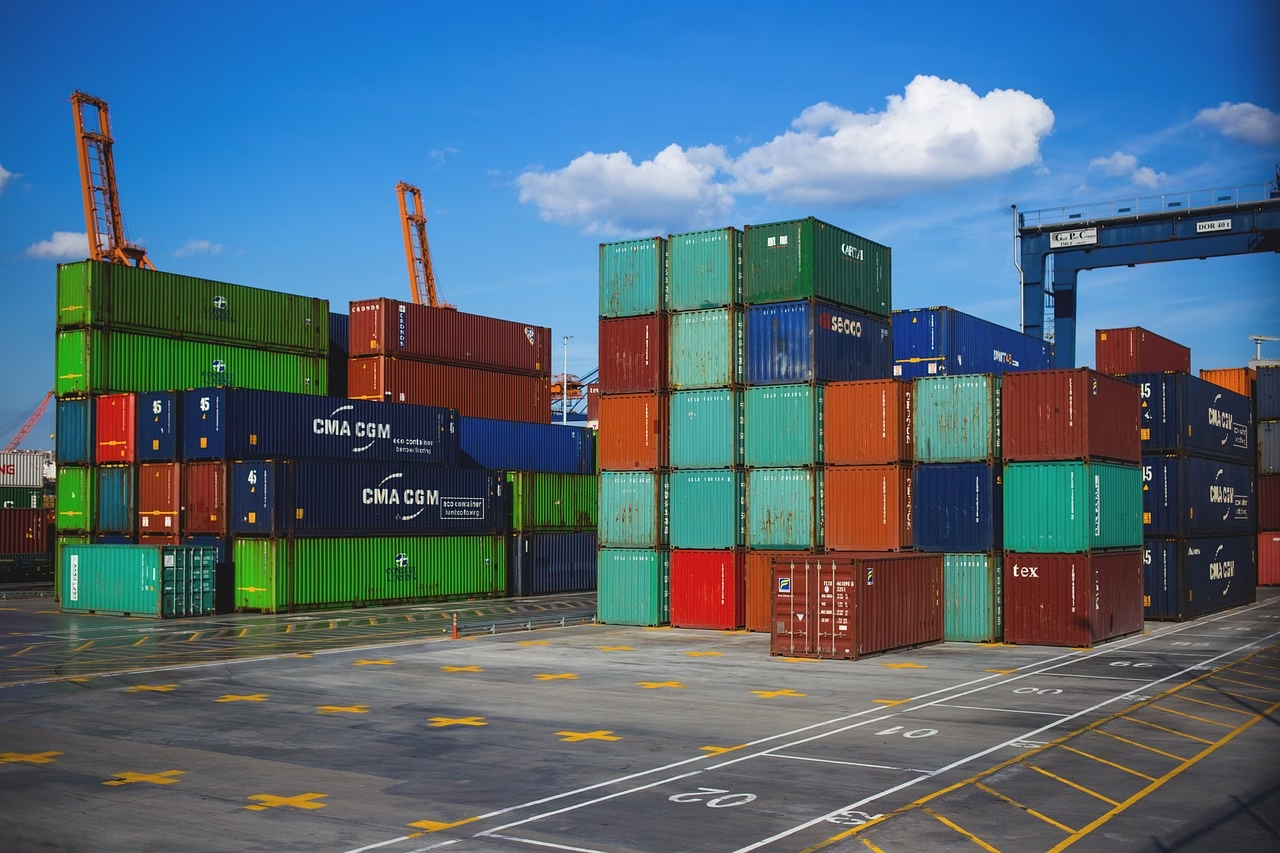
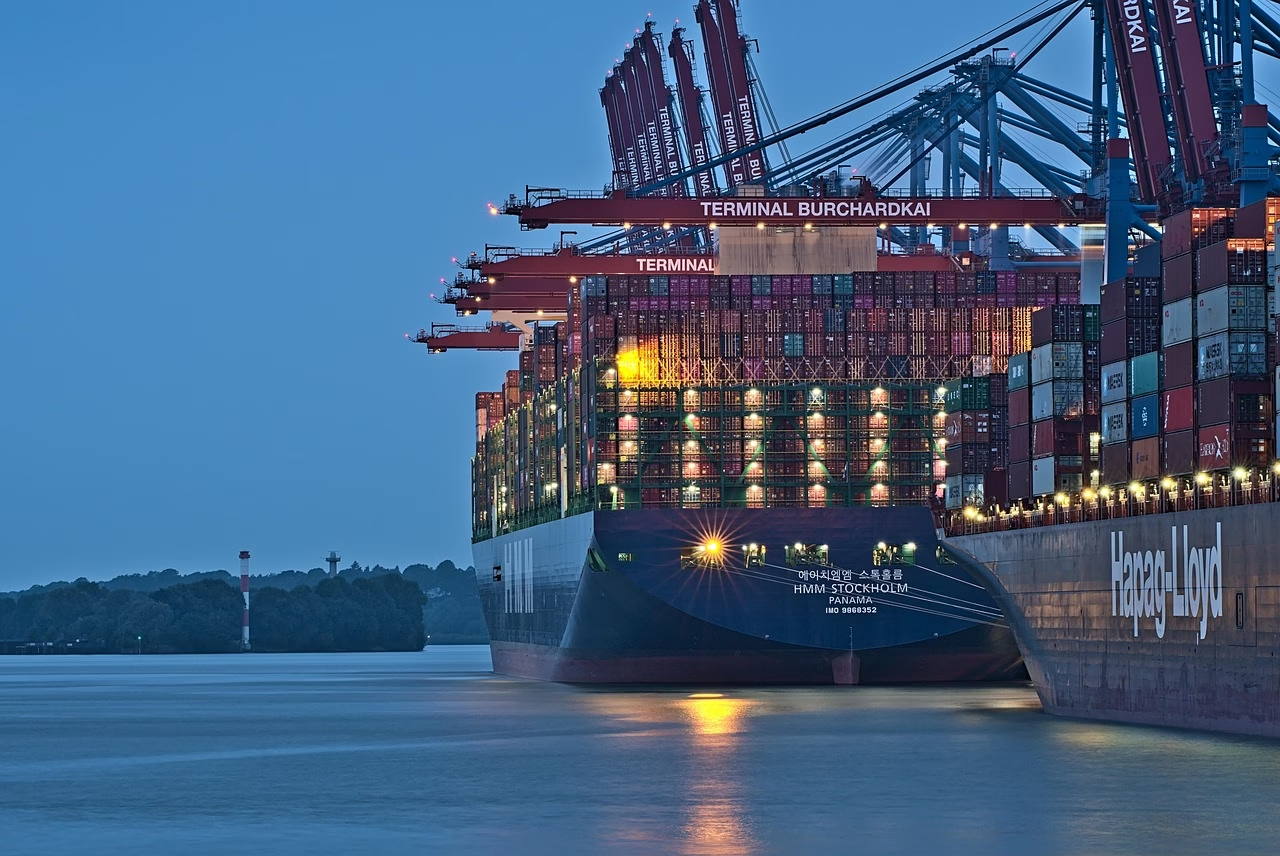
For the international community, the breakdown of the ceasefire signals potential disruptions to global energy markets and supply chains. As regional security deteriorates, insurance premiums for maritime shipping in the Persian Gulf have already begun to climb, reflecting the heightened risk profile of the region.
Industry leaders are now bracing for prolonged instability, which may force a realignment of regional business operations. Investors remain cautious, with market volatility tracking closely to reports of military activity in the Gulf.
What to Watch Next
The coming weeks will be critical as international mediators attempt to formalize a more robust ceasefire framework. Observers should monitor whether both nations agree to a mutual withdrawal of assets from contested zones, which would be a primary indicator of de-escalation. Furthermore, any changes in the tone of official state media from Tehran or formal briefings from the Pentagon will provide clues as to whether the current trajectory remains locked in conflict or is shifting toward renewed, substantive negotiations.





















Leave a Reply