


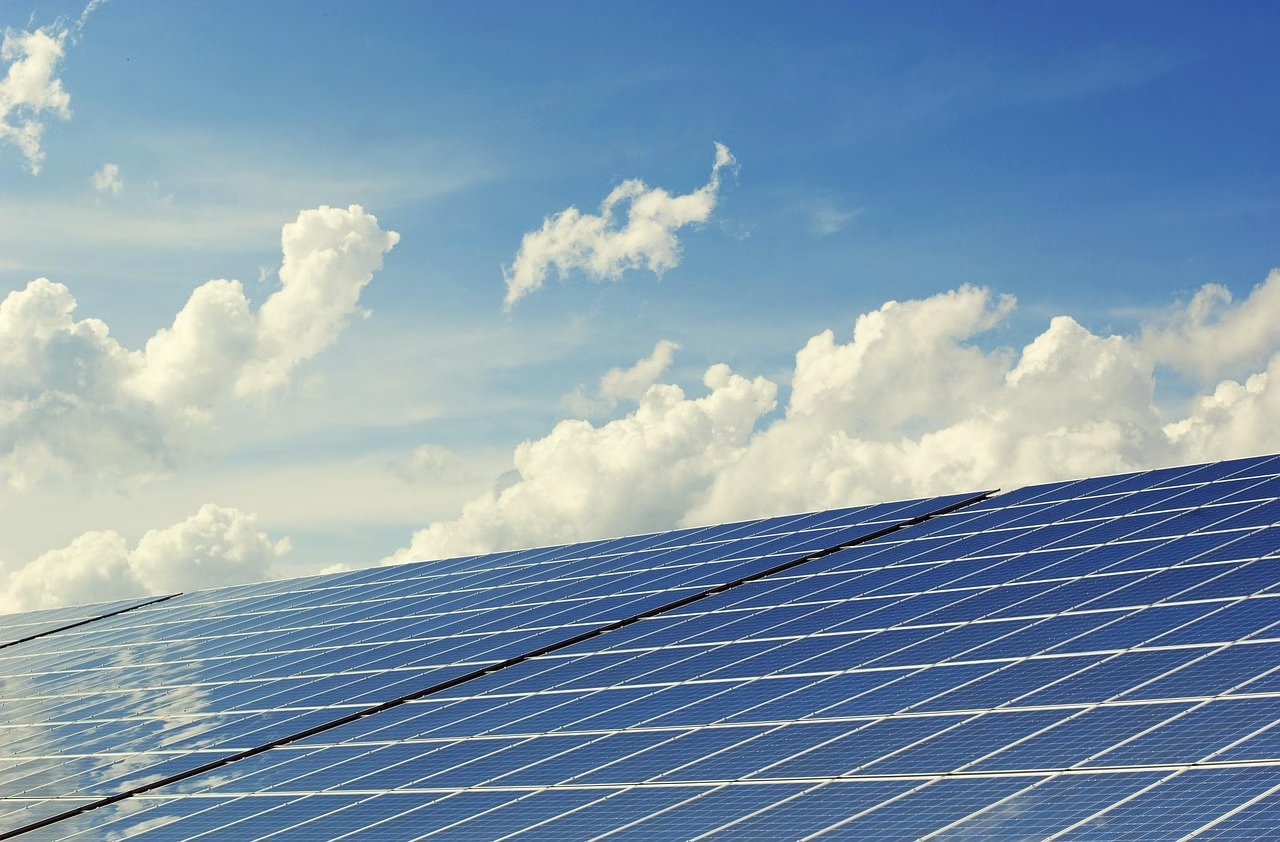
Across Cuba, citizens are increasingly turning to off-grid energy solutions, ranging from high-tech solar installations to traditional charcoal cooking, as the nation grapples with chronic power outages and severe fuel shortages throughout 2024. The crisis, driven by aging thermoelectric infrastructure and a lack of foreign currency to import fuel, has forced households to seek localized energy independence to maintain basic living standards.
The Context of Grid Instability
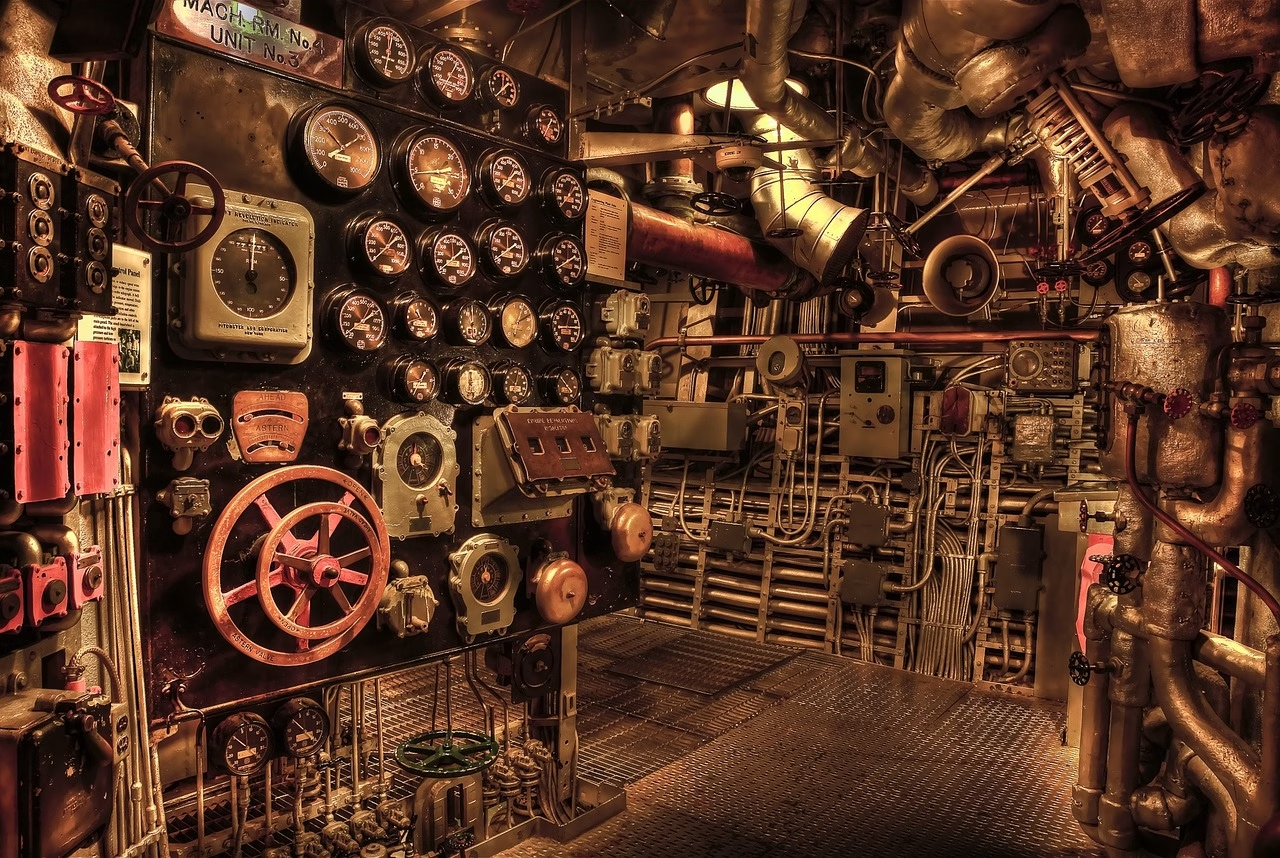
Cuba’s electrical grid has faced unprecedented strain, with the government frequently implementing rolling blackouts that can last for hours or even days. The state-run Electric Union (UNE) has struggled to maintain aging power plants, many of which were built in the Soviet era and lack the necessary spare parts for critical repairs. This structural decay, compounded by a deepening economic crisis, has left millions of residents without reliable electricity for refrigeration, water pumping, or communication.
The Rise of Decentralized Solar
For the small segment of the population with access to foreign remittances or private savings, solar energy has emerged as the most viable long-term solution. Residents are increasingly importing portable solar kits and battery storage systems, which allow them to power lights, fans, and small appliances independently of the national grid. While these installations represent a significant financial investment, users report that the ability to bypass the daily blackout schedule provides a level of stability that the state currently cannot guarantee.
Returning to Traditional Methods
For the vast majority of Cubans who cannot afford the high upfront costs of solar technology, the alternative is a return to traditional, labor-intensive methods of cooking and heating. Charcoal has become a primary fuel source for many kitchens, replacing electric stoves and gas burners that are rendered useless during power cuts. This shift has raised concerns among medical professionals regarding respiratory health, as the increased reliance on indoor biomass burning contributes to poor air quality in confined residential spaces.
Economic and Health Implications
The economic toll of the energy crisis is multifaceted, as the cost of charcoal has spiked due to increased demand, placing additional pressure on already strained household budgets. Furthermore, the lack of reliable electricity prevents the consistent operation of cold-chain logistics, leading to significant food spoilage and rising costs for basic necessities. Data from independent economic monitors suggest that the energy deficit is a primary driver of current migration trends, as families seek environments where basic services are more predictable.
Looking Ahead
The government has signaled an intent to pivot toward renewable energy, aiming to transition the national energy matrix to 37% renewable sources by 2030, though progress remains hampered by limited capital. Observers are now watching to see if the state will incentivize private solar adoption through tax breaks or if it will continue to rely on centralized, yet failing, thermal plants. As the gap between grid availability and consumer needs widens, the informal market for energy alternatives is expected to grow, potentially reshaping the country’s domestic energy landscape in the coming years.





















Leave a Reply