


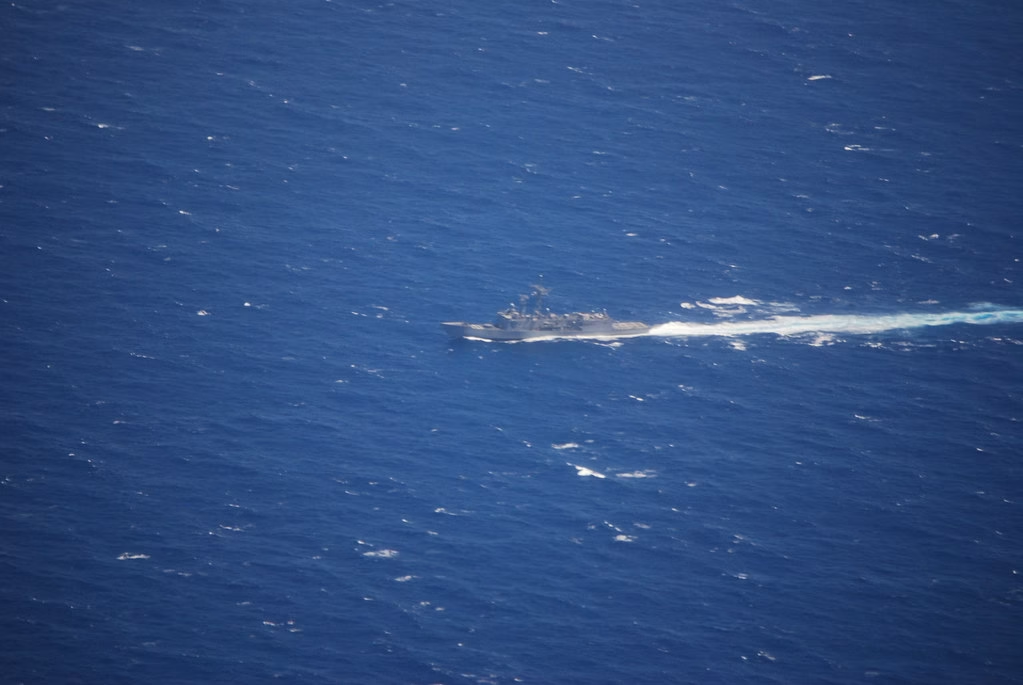
The global oil market is teetering on the brink of a critical shortage, with the International Energy Agency (IEA) warning that it could enter a “red zone” by July. This alarming forecast, issued by IEA Executive Director Fatih Birol, stems from rapidly dwindling oil stocks ahead of the peak summer travel season, exacerbated by geopolitical tensions. Birol emphasized that the most crucial step to alleviate this potential energy shock, particularly concerning the Strait of Hormuz, is its unconditional reopening.
Context: A Tightening Supply Landscape
The world’s oil supply has been under pressure for months. Several factors contribute to this precarious situation, including ongoing production cuts by major oil-producing nations like Saudi Arabia and Russia, as part of the OPEC+ agreement. These deliberate reductions aim to stabilize prices but have directly impacted global inventory levels.
Furthermore, the anticipated surge in demand during the summer months, driven by increased travel and economic activity, is expected to outstrip available supply. This seasonal uptick in consumption traditionally strains oil markets, but this year, it arrives at a moment of historically low inventories.
Geopolitical Tensions and the Strait of Hormuz
The IEA chief specifically highlighted the geopolitical dimension, particularly the significance of the Strait of Hormuz. This narrow waterway is a vital chokepoint for global oil transportation, with a significant percentage of the world’s oil passing through it daily. Any disruption or threat to navigation in this region could have immediate and severe repercussions on global oil prices and availability.
While the article does not explicitly detail the nature of the “Iran war energy shock” mentioned, it implies that tensions involving Iran, a major oil producer located near the Strait, pose a substantial risk. The call for the “unconditional reopening” suggests that current conditions or potential escalations are hindering the free flow of oil through this critical passage.
Expert Analysis and Data
“We are heading towards a situation where oil stocks are falling very fast,” Fatih Birol stated, underscoring the urgency of the situation. The IEA’s analysis, based on real-time market data and projections, indicates that if current trends persist, global oil inventories could reach critically low levels. These levels are often referred to as the “red zone” because they offer little buffer against unexpected supply disruptions or demand spikes.
Historically, low inventory levels have often preceded significant price volatility. Analysts at energy consulting firms are echoing these concerns, noting that the combination of reduced production and robust demand leaves the market highly vulnerable. Data from the U.S. Energy Information Administration (EIA) has also shown a consistent draw-down in crude oil inventories in recent weeks, further supporting the IEA’s assessment.
Implications for Consumers and the Industry
For consumers, a “red zone” oil market translates directly into higher fuel prices at the pump. As summer travel season kicks into high gear, drivers may face significantly increased costs for gasoline and diesel. This could impact household budgets, influence travel plans, and potentially dampen consumer spending in other sectors due to reduced disposable income.
Industries reliant on oil, including transportation, manufacturing, and petrochemicals, will also feel the pinch. Higher energy costs can lead to increased operational expenses, potentially resulting in higher prices for goods and services across the board. Airlines, heavily dependent on jet fuel, could face significant profitability challenges.
What to Watch Next
The coming weeks will be crucial in determining whether the global oil market can avert a severe supply crunch. Investors and policymakers will be closely monitoring OPEC+ production decisions, geopolitical developments impacting key shipping lanes like the Strait of Hormuz, and any shifts in global economic activity that could affect demand. The effectiveness of any potential strategic petroleum reserve releases by major consuming nations will also be a key factor to observe.



















Leave a Reply