


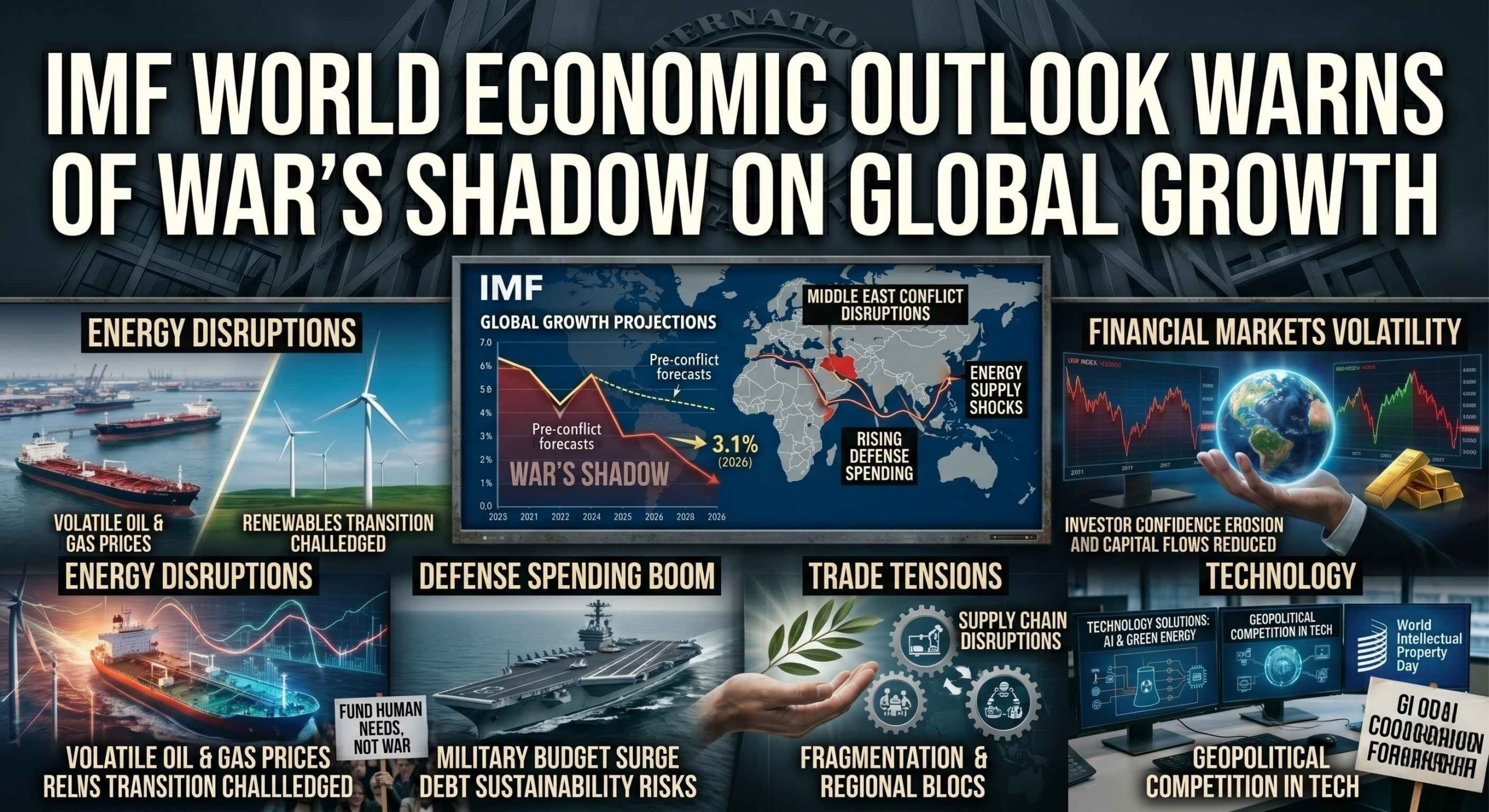
The International Monetary Fund (IMF) has released its latest World Economic Outlook, painting a sobering picture of the global economy as geopolitical conflicts cast a long shadow over growth prospects. The ongoing war in the Middle East, coupled with rising tensions in other regions, has disrupted trade, driven up energy prices, and strained fiscal systems worldwide. The IMF projects global growth to slow to 3.1% in 2026, a decline from earlier forecasts, underscoring the profound impact of geopolitical instability on economic performance.
The war in the Middle East has emerged as a central driver of economic disruption. Energy supplies have been disrupted, sending oil and gas prices soaring. Nations dependent on imports are facing mounting costs, while exporters are grappling with volatility in demand. The ripple effects extend far beyond the region, affecting industries from manufacturing to transportation. Inflationary pressures are rising, particularly in emerging economies, where higher energy costs translate into increased prices for goods and services. The IMF warns that prolonged conflict could exacerbate these challenges, pushing vulnerable economies into crisis.
Defense spending has surged as nations respond to geopolitical threats. Governments are allocating significant resources to military budgets, boosting short-term activity but raising concerns about debt sustainability. The IMF notes that while defense spending can stimulate certain sectors, it often comes at the expense of long-term investment in infrastructure, education, and healthcare. The trade-off highlights the broader challenge of balancing security needs with economic priorities. For many nations, the war has forced difficult choices, with implications for both domestic stability and global cooperation.
Trade tensions are compounding the impact of conflict. Sanctions, tariffs, and restrictions have disrupted supply chains, creating uncertainty for businesses and investors. The IMF emphasizes the importance of maintaining open trade channels, warning that fragmentation could undermine global growth. Yet political realities make cooperation difficult, as nations prioritize security and sovereignty over economic integration. The result is a more fragmented global economy, with regional blocs emerging as alternatives to traditional multilateral frameworks.
Financial markets have responded with volatility. Stock indices have experienced sharp swings as investors react to geopolitical developments and economic data. Bond markets, too, have seen fluctuations, with yields rising in response to higher interest rates and fiscal pressures. Currency markets reflect the uncertainty, with safe-haven assets such as the U.S. dollar and gold gaining value. The IMF cautions that prolonged instability could erode investor confidence, reducing capital flows to emerging markets and exacerbating vulnerabilities.
The humanitarian dimension of the conflict adds another layer of complexity. Millions have been displaced, creating challenges for host nations and international organizations. Refugee flows strain resources, while humanitarian aid requires significant funding. The IMF highlights the importance of addressing these challenges, noting that failure to do so could exacerbate instability and hinder recovery. The intersection of humanitarian and economic concerns underscores the multifaceted impact of geopolitical conflict on global stability.
Emerging economies face particular risks. Higher energy costs, reduced capital flows, and increased debt burdens threaten to derail progress. Many nations have limited fiscal space, making it difficult to respond effectively to shocks. The IMF calls for international support, emphasizing the need for coordinated action to provide relief and stabilize vulnerable economies. Without such support, the risk of widespread economic distress remains high.
Technology and innovation offer potential solutions but also present challenges. Advances in renewable energy, digital platforms, and artificial intelligence could help mitigate the impact of conflict by diversifying energy sources and improving efficiency. However, geopolitical tensions also affect technology, with nations competing for dominance in critical sectors. The IMF warns that fragmentation in technology markets could hinder progress, reducing the benefits of innovation and creating new vulnerabilities.
Public opinion reflects growing concern about the economic impact of conflict. Citizens in many nations are experiencing higher costs of living, reduced access to services, and uncertainty about the future. Political leaders face pressure to respond, balancing domestic needs with international responsibilities. The IMF emphasizes the importance of transparent communication and effective policy, noting that public confidence is essential for stability.
In conclusion, the IMF’s World Economic Outlook highlights the profound impact of geopolitical conflict on global growth. The war in the Middle East, rising defense spending, trade tensions, and humanitarian challenges are reshaping the economic landscape. While opportunities exist in technology and innovation, the risks of fragmentation and instability remain significant. The IMF calls for coordinated action, urging nations to prioritize cooperation and resilience in the face of uncertainty. The outcome will shape the trajectory of the global economy for years to come, underscoring the interconnectedness of geopolitics and economic performance.
Disclaimer: This article is based on publicly available information and IMF reports. It is intended for general informational purposes only and does not constitute financial or policy advice.
#IMFReport #GlobalEconomy #Geopolitics #MiddleEastConflict #EconomicOutlook





















Leave a Reply