


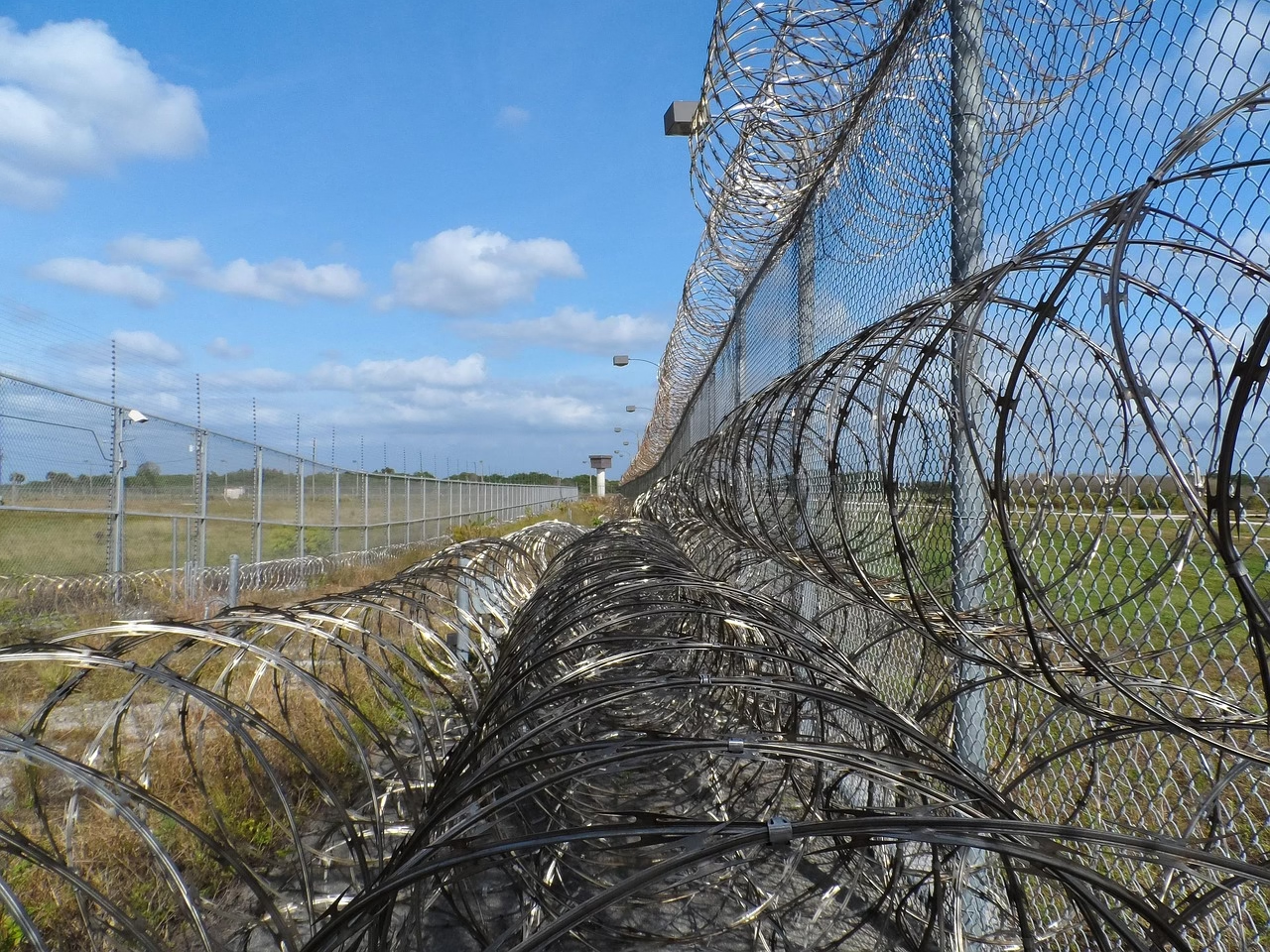
Immigration and Customs Enforcement (ICE) detainees are dying by suicide at an unprecedented rate, according to an Associated Press (AP) investigation released recently. This alarming trend, marking the highest number of self-inflicted deaths in the agency’s 20-year history, has spurred experts to highlight significant failures in the care and oversight provided to individuals within ICE detention facilities.
Escalating Crisis in Detention Centers
The AP’s analysis reveals that at least 37 individuals have died by suicide in ICE custody since the agency’s inception in 2003. The majority of these deaths, 20, have occurred in the last five years alone, indicating a sharp and troubling acceleration of this crisis. This surge has prompted urgent calls for reform and a deeper examination of the conditions and mental health support available to detainees.
These deaths are not isolated incidents but represent a systemic issue within the immigration detention system. Advocates and mental health professionals argue that the high-stress environment of detention, coupled with inadequate access to timely and appropriate mental healthcare, contributes significantly to the despair experienced by detainees.
Factors Contributing to Mental Health Decline
Detention itself is a profoundly traumatic experience, often involving separation from family, uncertainty about legal outcomes, and prolonged confinement. For individuals with pre-existing mental health conditions, this environment can exacerbate symptoms and lead to acute crises.
A key concern raised by experts is the timeliness and quality of mental health evaluations and treatment. Detainees may experience long waits for psychiatric assessments or therapy, and when care is provided, it may not always meet professional standards or address the complex needs of individuals facing deportation and trauma.
The AP investigation cites specific instances where detainees exhibited clear signs of severe mental distress, including suicidal ideation, yet did not receive the necessary interventions. This points to potential gaps in screening protocols, staff training, and the availability of specialized mental health personnel within facilities managed by ICE or its contractors.
Data and Expert Opinions Highlight Deficiencies
According to data obtained by the AP, the number of reported suicide attempts within ICE facilities has also risen, further underscoring the growing mental health crisis. While ICE states it is committed to providing adequate care, the increasing death toll suggests a disconnect between policy and practice.
Dr. Josiah Rich, a professor of medicine and addiction studies at Brown University and a medical monitor for a class-action lawsuit concerning ICE detention conditions, told the AP that the agency is “failing miserably” in its duty to protect detainees. He emphasized that the current system is not equipped to handle the mental health needs of the detained population.
The conditions within some detention centers, including overcrowding and limited access to natural light or outdoor recreation, can also negatively impact mental well-being, contributing to feelings of hopelessness and isolation, experts argue.
Implications for Detainees and the System
The escalating suicide rate has profound implications for the individuals caught within the immigration system and raises serious questions about the ethical and legal responsibilities of the U.S. government. It highlights the urgent need for comprehensive reforms in how immigration detention is managed and how the mental health of detainees is prioritized.
For detainees, the risk of succumbing to despair is a stark reality, underscoring the vulnerability of this population. The failures in care not only lead to tragic loss of life but also violate fundamental principles of human dignity and humane treatment.
The findings are likely to intensify pressure on the Biden administration and Congress to implement stricter oversight of detention facilities, improve mental healthcare access, and potentially explore alternatives to detention for vulnerable individuals.
Looking Ahead: What to Watch Next
As this crisis unfolds, attention will likely focus on potential policy changes within ICE, increased scrutiny of private detention contractors, and legislative efforts to mandate better mental health services and oversight. The outcomes of ongoing lawsuits related to detention conditions and the implementation of any new protocols by ICE will be critical indicators of whether the agency can effectively address this alarming trend and prevent further tragedies.























Leave a Reply