
International Diplomacy at a Crossroads
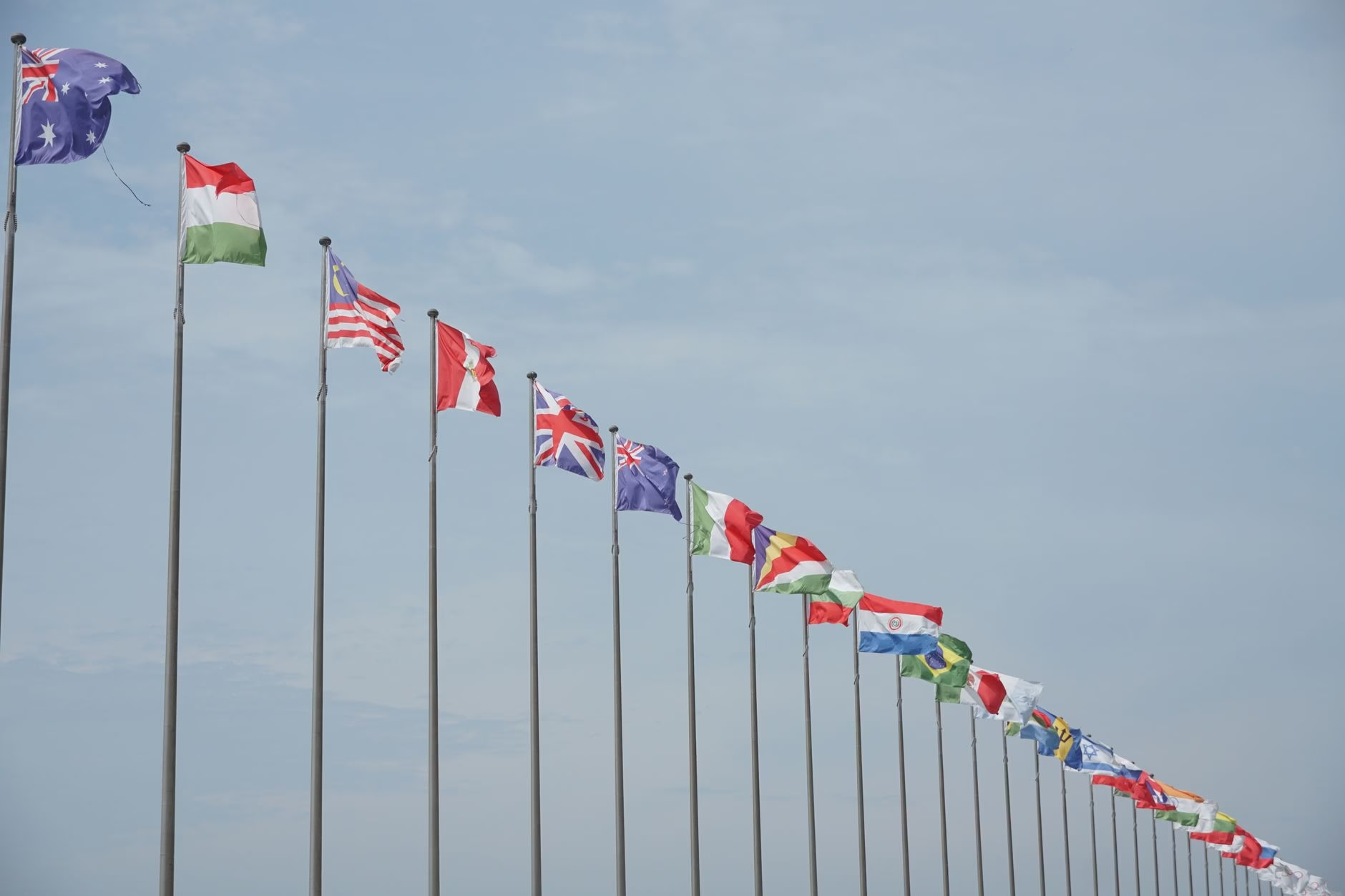
Global diplomatic efforts faced significant hurdles recently as top diplomats concluded a major international gathering without achieving a unified agreement on critical global matters.
The high-level talks brought together key international representatives to discuss pressing worldwide challenges. However, deep-seated divisions among participating nations prevented the formation of a collective consensus.
Absence of a Joint Communique
Official proceedings wrapped up without the traditional joint communique that typically summarizes shared goals and collaborative commitments. Instead of a universally approved document, the outcomes of the summit will be documented through alternative means.
Observers noted that the inability to bridge diplomatic gaps highlights the complexity of current geopolitical landscapes. Diverse national priorities often complicate multilateral negotiations, making broad agreements increasingly difficult to secure.
The Chairman Statement Approach
Rather than forcing a compromised communique, the diplomatic framework shifted toward a chairman statement to outline the discussions and points raised during the summit.
Leadership from the host nation confirmed that this summary document would be published following the conclusion of the sessions. This approach allows the proceedings to be formally recorded while acknowledging the lack of unanimous agreement among all attending delegates.
Looking Ahead at Multilateral Relations
Despite the lack of a formal consensus, diplomatic channels remain open as nations continue to address shared economic and security challenges.
The events in Atlanta serve as a reminder of the ongoing difficulties inherent in international cooperation. As diplomats return to their respective capitals, future engagements will test the ability of global powers to find common ground on vital issues.


















Leave a Reply