


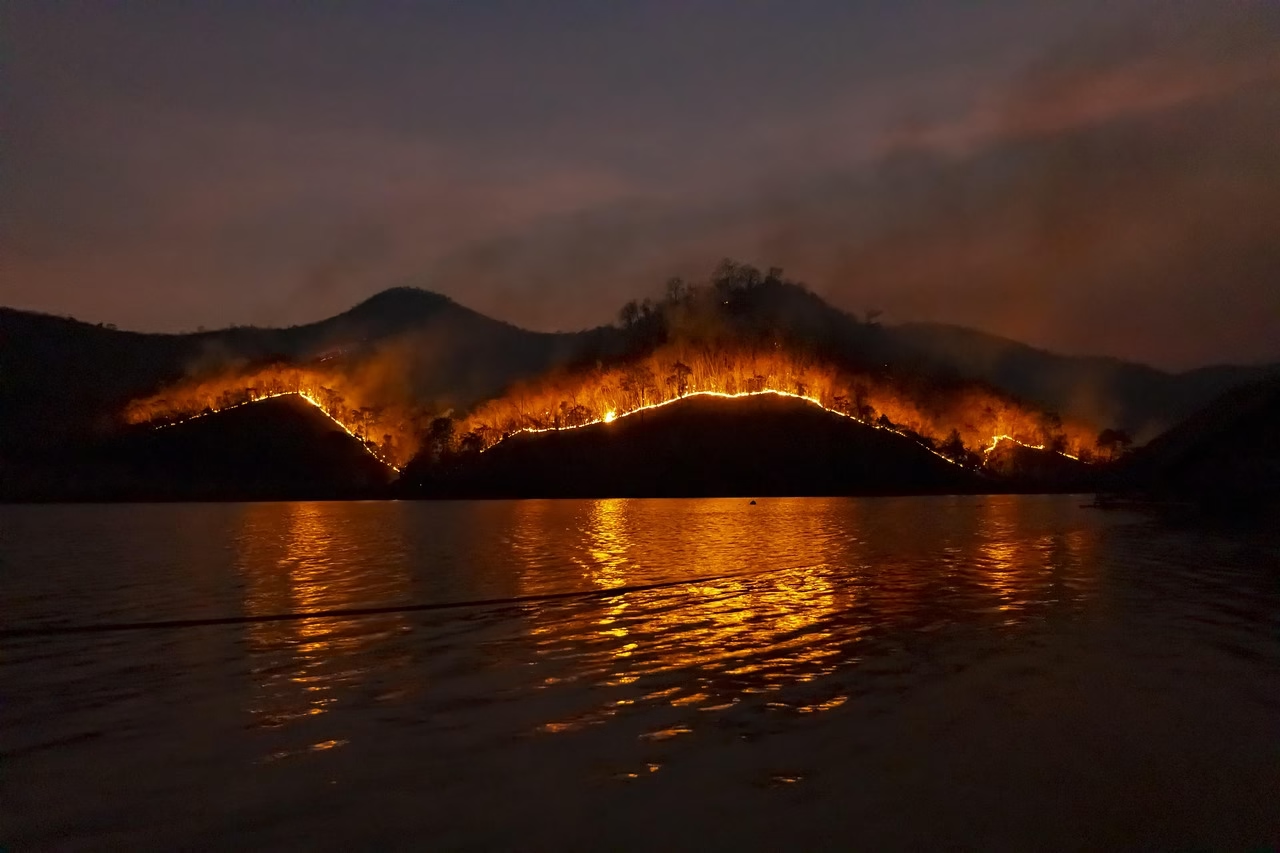
Emergency responders across Sicily are struggling to contain out-of-control wildfires as an intense summer heatwave sweeps through Southern Europe, reigniting severe concerns regarding the historical link between criminal syndicates and deliberate arson. The blazes, exacerbated by soaring temperatures and parched landscapes, have forced evacuations and destroyed thousands of hectares of countryside, prompting local authorities to investigate whether human intervention once again played a role in the devastation.
High temperatures exceeding 40 degrees Celsius combined with strong, dry winds have transformed vast stretches of Sicilian vegetation into tinderboxes. While atmospheric conditions create the ideal environment for ignition, local investigative reports and historical precedents emphasize that extreme weather tells only part of the story.
Understanding the Context: Climate Extremes Meet Human Vulnerability
Italy’s civil protection agencies have placed multiple southern regions on high alert, with Sicilian urban centers and rural valleys bearing the brunt of the fire season. Mediterranean ecosystems are naturally prone to seasonal blazes, but the current frequency and intensity have stretched municipal emergency resources to their absolute limits.
Historical records from Italian law enforcement show that naturally occurring blazes—such as those caused by lightning strikes—account for less than five percent of total wildfire incidents in Southern Italy. The vast majority of fires originate from human activity, ranging from agricultural negligence to calculated criminal arson.
The Shadow of Organized Crime in Environmental Destruction
For decades, the Sicilian Mafia, known as Cosa Nostra, along with local criminal networks, has operated within the region’s environmental and agricultural sectors, utilizing arson as a strategic economic tool. Investigative prosecutors have identified several underlying motives behind criminal land burning over the years.
One primary financial driver has been the manipulation of public forestry and emergency contracts. In past decades, regional administrative structures created perverse incentives where seasonal firefighting and land restoration crews were hired based on emergency demand, leading corrupt actors to deliberately set fires to guarantee seasonal employment and secure state funding.
Additionally, arson has historically been employed to clear protected forested areas for illegal construction, clear agricultural brush, or intimidate local landowners into selling property at heavily depreciated prices. Criminal syndicates have also targeted public lands to alter land-use designations once natural habitats are destroyed.
Data Points and Institutional Perspectives
According to data published by Legambiente, Italy’s leading environmental advocacy organization, between 70% and 80% of wildfires recorded in Italy annually are estimated to be the result of deliberate human action or gross negligence. In its recurring “Ecomafia” reports, the organization highlights that environmental crimes generate billions of euros annually for organized crime groups across Southern Italy.
“Wildfires in Southern Italy are rarely just natural disasters,” noted environmental crime researchers during recent regional assessments. “The combination of extreme climate vulnerability and entrenched illegal economic interests creates a persistent threat to the land.”
Regional law enforcement officials face substantial hurdles when prosecuting these cases. The rapid spread of flames and the deliberate destruction of physical evidence at ignition sites make identifying individual arsonists extraordinarily difficult without real-time intelligence or direct witness testimony.
Regulatory Countermeasures and Enforcement Loopholes
To counter criminal exploitation of burned landscapes, the Italian parliament established strict national legislation that prohibits any commercial development or land-use changes on burned territory for ten years following a fire. The law also bans hunting and grazing on burned pastureland for designated multi-year periods to remove financial incentives for deliberate burning.
Despite these statutory safeguards, enforcement mechanisms remain uneven across municipal boundaries. Bureaucratic delays in updating official land-fire registries have occasionally permitted bad actors to bypass legal restrictions, creating vulnerabilities that organized crime networks continue to exploit.
Looking Ahead: Technological Surveillance and Legal Reform
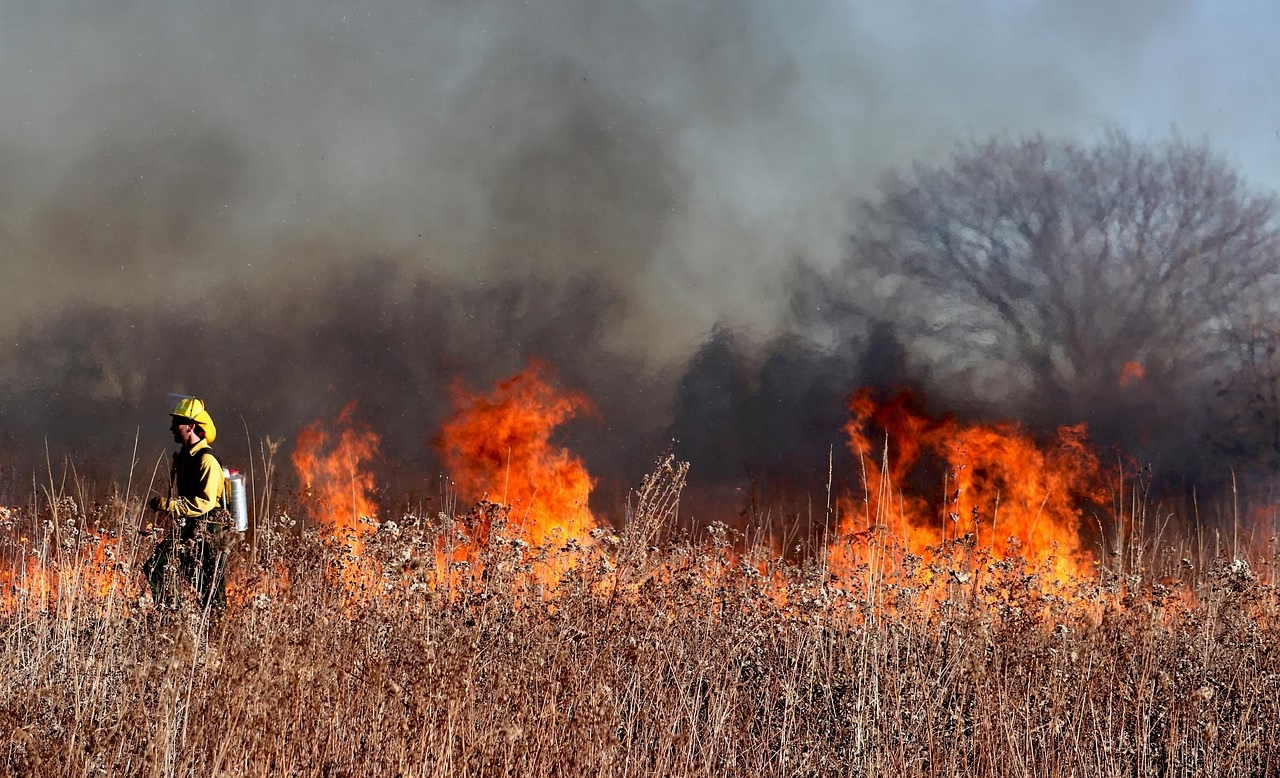
As climate models project increasingly frequent and prolonged heatwaves across the Mediterranean basin, Italian authorities are deploying advanced technology to deter arsonists and detect new ignitions instantly. The Carabinieri Forestry Corps has expanded its use of thermal drone surveillance, satellite tracking, and predictive artificial intelligence algorithms to monitor high-risk zones throughout Sicily.
Moving forward, protecting Sicily’s landscape will require a dual approach: strengthening climate adaptation infrastructure alongside aggressive judicial oversight. What to watch next is whether regional authorities will reform seasonal forestry hiring practices and fully integrate real-time satellite monitoring into legal prosecutions, directly addressing the systemic vulnerabilities that have allowed criminal arson to persist for decades.</






















Leave a Reply