



Iranian military forces launched a series of lethal strikes across the Persian Gulf this week, marking a significant escalation in ongoing hostilities with the United States. The exchange, which occurred in international waters, has severely compromised the fragile ceasefire agreement that had been holding for several months, effectively stalling diplomatic efforts to de-escalate regional tensions.
The Persian Gulf has long served as a critical global chokepoint for energy supplies and maritime trade. Following years of fluctuating diplomatic relations, both nations had entered into a tentative cessation of direct hostilities earlier this year to facilitate back-channel negotiations. However, the latest military engagement signals a return to the volatile pattern of reciprocal strikes that characterized the region throughout the previous year.
Context of the Conflict
The current instability is rooted in a complex history of maritime disputes and sanctions-related friction. Recent months saw a flurry of international mediation attempts aimed at formalizing a long-term peace framework between Washington and Tehran. The collapse of this momentum now leaves both sides in a precarious position, with military commanders on the ground facing heightened pressure to respond to perceived provocations.
Detailed Coverage of the Exchange
Defense analysts report that the Iranian strikes utilized a mix of unmanned aerial systems and high-speed patrol craft, targeting U.S. naval assets patrolling near the Strait of Hormuz. The U.S. military responded with precision air strikes against coastal launch sites, citing the need to protect freedom of navigation and ensure the safety of personnel.
This tit-for-tat dynamic creates a high risk of miscalculation. According to data from the Center for Strategic and International Studies, the frequency of maritime skirmishes in the Gulf has increased by 15% since the beginning of the quarter. Military experts emphasize that the proximity of these forces, combined with the use of autonomous technology, makes the theater of operations increasingly unpredictable.
Expert Perspectives
“The current situation represents a total breakdown of the communication channels established during the ceasefire,” says Dr. Elena Rossi, a senior fellow at the Global Security Institute. “When both parties prioritize tactical deterrence over diplomatic signaling, the margin for error effectively disappears.”
Financial markets have reacted to the news with volatility, as energy traders brace for potential disruptions to oil shipments. The price of Brent crude saw an immediate uptick in trading following the reports of the strikes, reflecting investor anxiety over the stability of the Strait of Hormuz, through which roughly 20% of the world’s total petroleum consumption passes daily.
Implications and Future Outlook
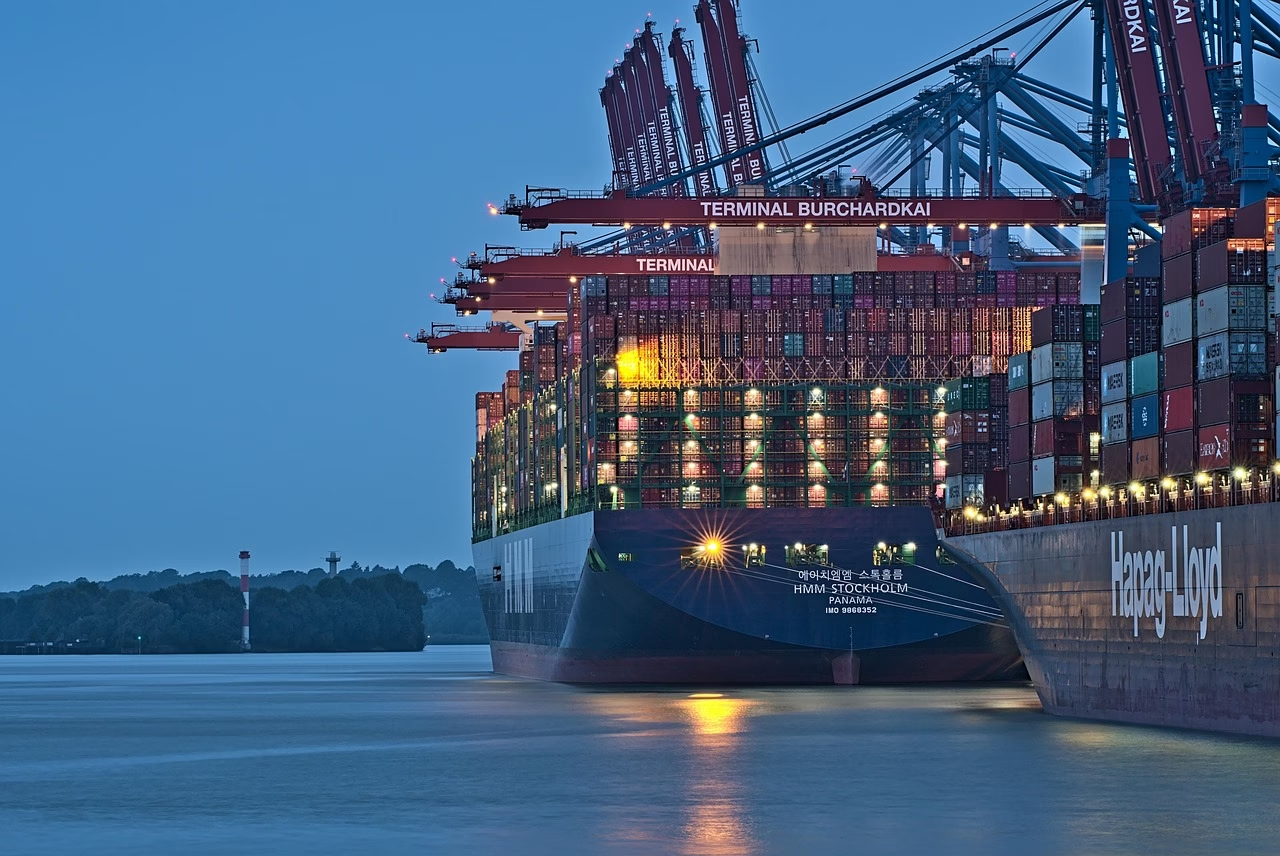
For the shipping industry, the renewed hostilities mean increased insurance premiums and the necessity for more robust security protocols for vessels transiting the region. Major logistics firms are already evaluating alternative, albeit longer, routes to mitigate the risk of collateral damage or seizure.
Observers are now watching for any signs of direct intervention from regional allies, which could further internationalize the conflict. The immediate focus remains on whether the current military activity will lead to a full-scale confrontation or if both nations will return to the negotiating table once the current flare-up subsides. The coming days will be critical in determining if the diplomatic process can be salvaged or if the region is bracing for a protracted period of open hostility.






















Leave a Reply