


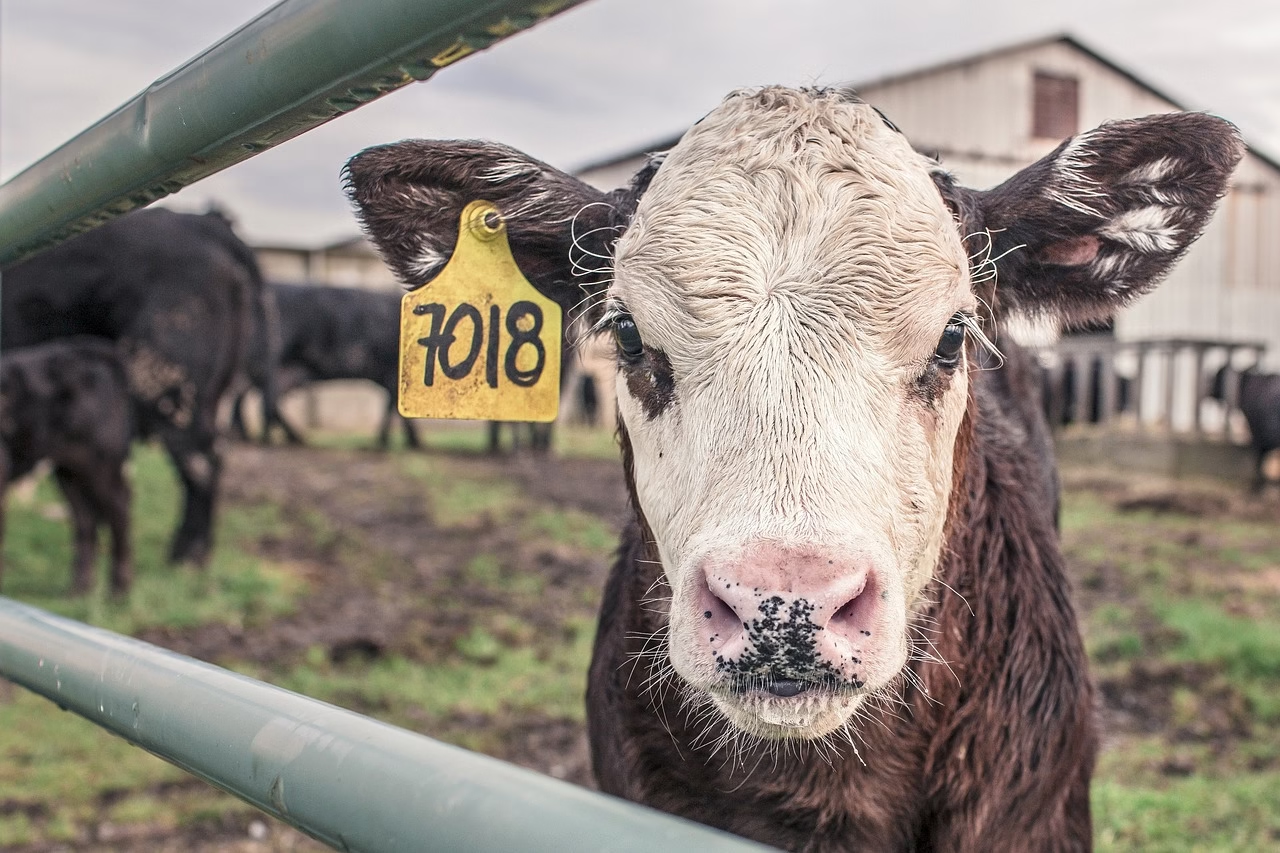
U.S. agricultural officials confirmed a second case of New World screwworm in Texas this week, prompting an immediate trade response from Canadian authorities who have tightened restrictions on livestock imports from the United States. The discovery, identified by the U.S. Department of Agriculture (USDA), marks a concerning development for the North American livestock industry as federal agencies scramble to contain the parasite’s spread.
Understanding the Threat of New World Screwworm
New World screwworm larvae are the parasitic maggots of the fly Cochliomyia hominivorax, which feed exclusively on the living tissue of warm-blooded animals. Unlike common blowflies that target decaying carcasses, these pests burrow into fresh, open wounds, causing severe tissue destruction and secondary infections.
If left untreated, an infestation can prove fatal to livestock, wildlife, and domestic pets within days. The parasite was officially eradicated from the United States in the 1960s through a massive sterile insect release program, making the recent re-emergence a significant biosecurity concern.
Economic and Regulatory Impacts
The confirmation of a second case has triggered strict regulatory protocols. Canadian officials, citing the potential for massive economic disruption to the cattle industry, have implemented temporary bans on the import of live animals from affected regions.
The USDA Animal and Plant Health Inspection Service (APHIS) is currently conducting trace-back investigations to determine the origin of the infestation. Surveillance teams are deploying traps and inspection units across Texas to prevent the parasite from establishing a permanent foothold in the region.
Expert Analysis and Surveillance Data
Veterinary entomologists emphasize that the speed of detection is the primary factor in preventing a wider outbreak. According to historical data from the Food and Agriculture Organization (FAO), early intervention is the only viable method to prevent the parasite from reaching endemic status.
Dr. Marcus Thorne, a specialist in bovine health, notes that the current climate conditions in Texas may be contributing to the survival of the flies. “Warm, humid weather creates an ideal environment for the life cycle of the screwworm, which complicates containment efforts,” Thorne stated.
The USDA is working in coordination with state-level agricultural boards to implement mandatory animal health certifications. Ranchers in the area are being urged to inspect their herds daily for signs of open wounds or abnormal behavior.
Implications for the Livestock Industry
For cattle producers, the immediate challenge involves navigating shifting trade requirements and increased inspection costs. The uncertainty surrounding the length of the containment effort may lead to localized price volatility in the beef market as supply chain logistics adjust to the new restrictions.
Industry analysts suggest that the long-term impact will depend on the effectiveness of the sterile fly release programs currently being mobilized. If the containment efforts succeed in eliminating the parasite within the next few months, the impact on North American trade is expected to be minimal.
Looking ahead, stakeholders should monitor updates from the USDA regarding the geographic expansion of surveillance zones. Future developments will hinge on whether additional cases are detected outside of the currently quarantined areas, which would necessitate more aggressive trade barriers and potentially impact domestic livestock movement across the broader U.S. interior.





















Leave a Reply