


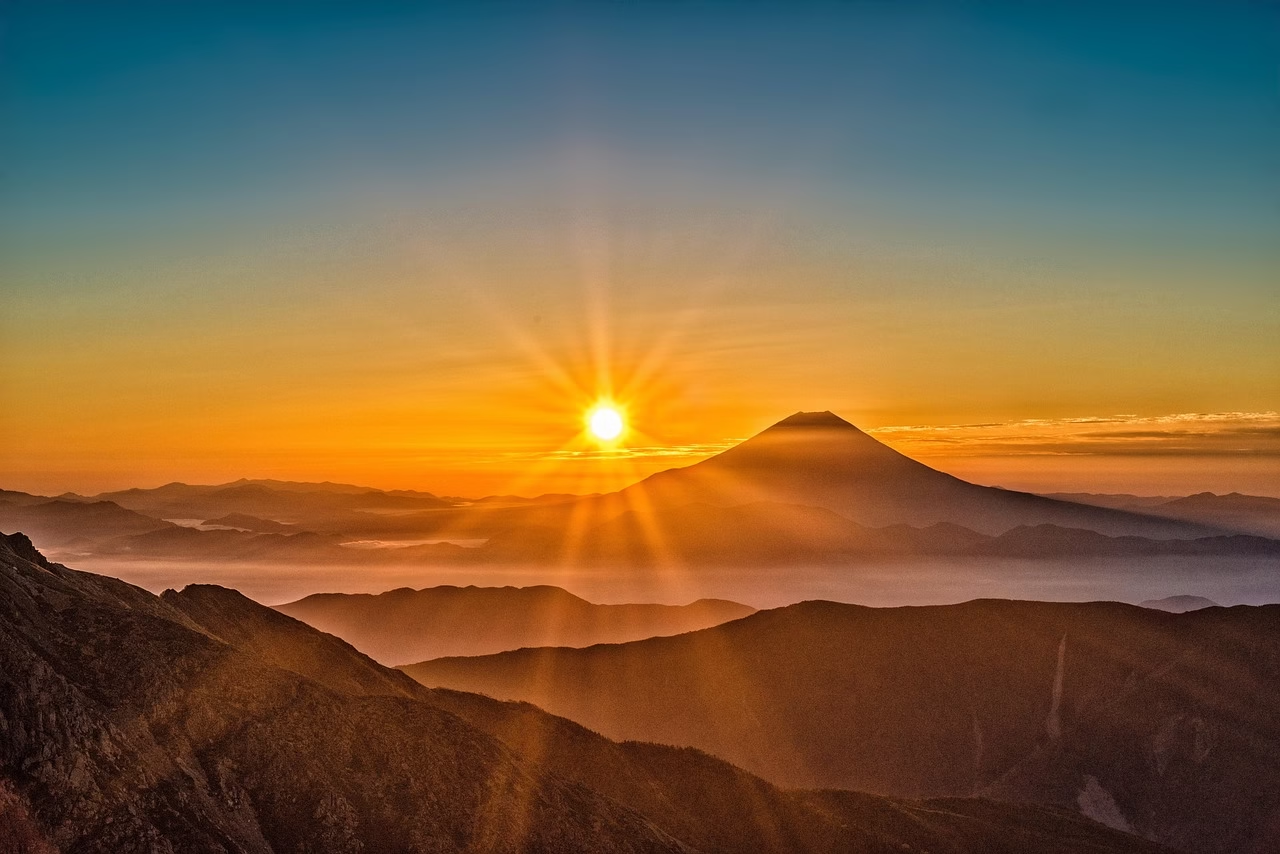
A Swiss national who served as the head of a prominent European assisted-dying organization died after losing consciousness while climbing Japan’s Mount Fuji this week, marking the second fatality on the iconic peak within seven days as safety officials face unprecedented trekking crowds.
Japanese authorities confirmed that the hiker collapsed along a high-altitude trail and was pronounced dead after emergency responders reached the scene. The incident occurred during the peak of Mount Fuji’s official summer climbing season, which runs from early July through early September.
A Pattern of High-Altitude Risks
The tragedy follows the death of another climber on the mountain just days earlier, prompting renewed scrutiny over safety conditions on Japan’s highest peak. Local rescue teams reported responding to a surge in distress calls involving altitude sickness, hypothermia, and extreme exhaustion since the official trails opened.
Mount Fuji reaches an elevation of 3,776 meters (12,388 feet), presenting severe physical challenges despite its global reputation as a accessible tourist destination. Rapid elevation gains often catch underprepared climbers off guard, leading to acute mountain sickness and unexpected cardiovascular strain.
Escalating Pressures on Local Infrastructure
The recent fatalities coincide with a broader crisis of overtourism and unsafe trekking habits on the active volcano. Local authorities have voiced growing concern over “bullet climbing”—the practice of attempting to summit and return through the night without resting at designated mountain huts.
Data from the Ministry of the Environment reveals that hundreds of thousands of hikers attempt the summit each summer. The overwhelming volume of visitors has severely strained local medical services and volunteer rescue units operating on the mountain’s steep slopes.
In response to overcrowding and rising accident rates, Yamanashi Prefecture implemented a mandatory 2,000-yen ($13) entry fee and capped daily hikers at 4,000 on the popular Yoshida Trail this year. However, safety experts warn that crowd control alone cannot fully prevent medical emergencies in high-altitude environments.
Expert Assessments and Medical Warnings
Medical professionals emphasizing high-altitude travel risks note that physical fitness does not confer complete immunity to rapid atmospheric changes. Sudden changes in mountain weather frequently compound the physical strain on trekkers of all experience levels.
Shizuoka Prefecture, which manages the remaining three trails leading to the summit, is currently assessing whether to adopt strict entry caps and pre-registration requirements similar to those on the Yoshida Trail. Officials cite a sharp increase in elderly hikers and foreign tourists who may lack proper gear or mountain safety training.
Future Policy and Trail Management
The recent deaths are expected to accelerate discussions among Japanese policymakers regarding stricter health screenings and enforced safety guidelines for international visitors. Prefectural authorities are actively monitoring trail conditions as peak tourism weeks approach.
Industry observers and mountain guides will be watching whether local governments institute mandatory night-climbing bans or enforce required lodging reservations ahead of the 2025 climbing season to curb dangerous trekking practices.


















Leave a Reply