


The Rise of the American Soccer Supporter
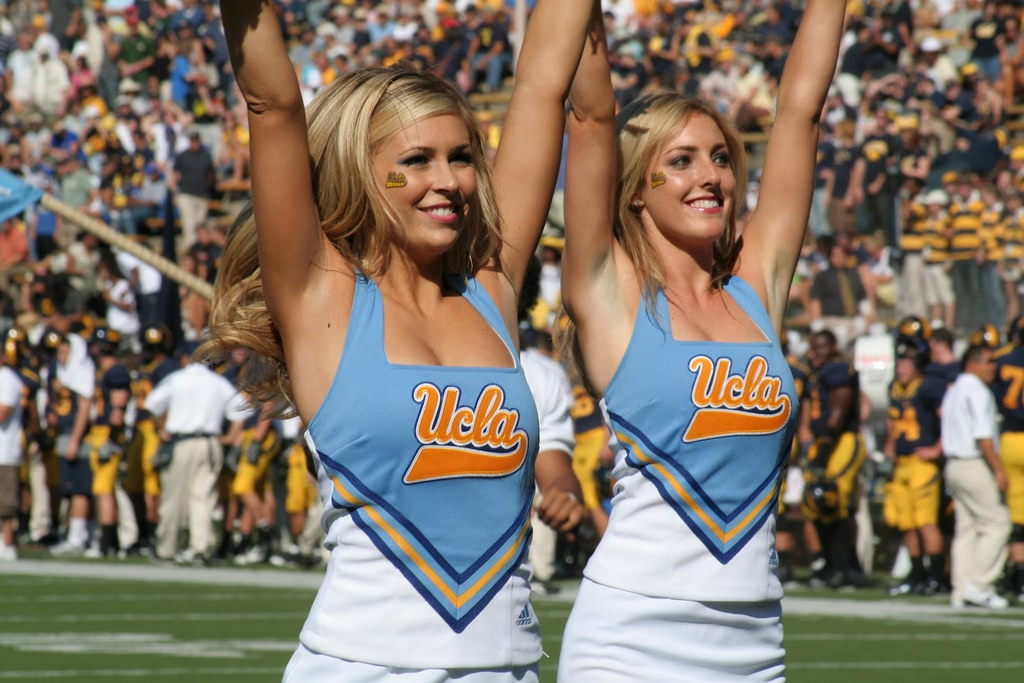
As the United States prepares to co-host the 2026 FIFA World Cup alongside Canada and Mexico, a dedicated movement of American superfans is organizing across the country to transform the perception of U.S. soccer culture. These grassroots groups, characterized by their high-energy chants and coordinated displays, aim to establish a permanent home-field advantage for the U.S. Men’s National Team (USMNT) by the time the tournament kicks off in June 2026.
Building a Legacy of Fandom
Soccer in the United States has historically lagged behind the popularity of established domestic leagues like the NFL and NBA. However, the success of Major League Soccer (MLS) and the increasing accessibility of international European leagues have nurtured a growing base of lifelong supporters. These fans, many of whom have spent years traveling to away matches, are now coalescing into formal supporters‘ clubs that mirror the intensity of European and South American fan bases.
A New Era of Fan Engagement
The organizing efforts are not merely about cheering; they involve elaborate choreography, massive stadium banners, and structured songbooks designed to intimidate opponents. Supporters’ groups like the American Outlaws have been instrumental in this shift, providing a unified front that ensures the USMNT receives vocal support regardless of the venue. This shift marks a departure from the more passive, family-focused atmosphere that previously defined American soccer stadiums.
Expert Insights on Cultural Shifts
Sports sociologists note that the 2026 World Cup serves as a cultural inflection point for the sport in North America. According to data from the FIFA Fan Movement, interest in soccer among U.S. demographics aged 18-34 has reached an all-time high, driven by digital connectivity and the viral nature of global soccer highlights. Analysts suggest that the professionalization of fan culture is a critical component in legitimizing the sport’s status within the crowded American sports landscape.
Economic and Social Implications
The professionalization of these fan bases carries significant weight for the sports industry and local economies hosting matches. Cities designated as host sites are already seeing a surge in tourism-related infrastructure spending, with local businesses preparing for an influx of international visitors. For the average reader, this means that the 2026 tournament will likely be more than a series of games; it will be an immersive cultural event that changes how Americans interact with the global game.
Looking Toward 2026
As the countdown to the opening match continues, observers will be watching to see if this surge in fan organization can sustain itself beyond the tournament’s conclusion. The long-term goal for these superfans is to ensure that the infrastructure and passion built for 2026 create a lasting legacy for the sport in the United States. Future developments will likely center on how these fan groups integrate with stadium management and how they navigate the logistics of hosting millions of spectators in a massive, multi-city tournament.
















Leave a Reply