



In an unprecedented diplomatic development, former U.S. President Donald Trump and the President of Iran have digitally signed an interim agreement aimed at achieving an immediate and permanent cessation of military operations between the United States, its allies, and the Islamic Republic of Iran. The agreement, finalized via secure digital channels, marks a abrupt shift in the long-standing geopolitical tension that has characterized Middle Eastern relations for decades.
Context of the Escalation
The conflict had reached a critical inflection point following months of intensified military engagements, cyber warfare, and regional instability. Tensions were primarily driven by disagreements over nuclear proliferation, regional proxy influence, and the protection of international shipping lanes.
Historically, diplomatic channels between Washington and Tehran have remained largely closed or mediated through third-party nations. The move to sign a direct, albeit interim, agreement suggests a significant departure from previous isolationist policies and a pivot toward de-escalation.
Details of the Interim Accord
The core of the agreement focuses on the suspension of active hostilities, providing a framework for a more comprehensive ceasefire. Both parties have committed to halting offensive military movements, with the document explicitly stating an intent to move toward a permanent termination of operations.
While the terms of the agreement are considered interim, they serve as a foundation for future negotiations. Observers note that the digital nature of the signing reflects a modern approach to international diplomacy, bypassing traditional, time-consuming summits in favor of rapid, verifiable commitment.
Expert Perspectives
Geopolitical analysts remain cautiously optimistic regarding the long-term viability of the pact. According to data from the Center for Strategic and International Studies, the sustained military friction had begun to impose significant economic costs on both nations, incentivizing a move toward stability.
“This agreement is a tactical recalibration rather than a total resolution of underlying grievances,” said an analyst from the Atlantic Council. “However, the cessation of active fire is a necessary prerequisite for any lasting diplomatic breakthrough.”
Broader Implications
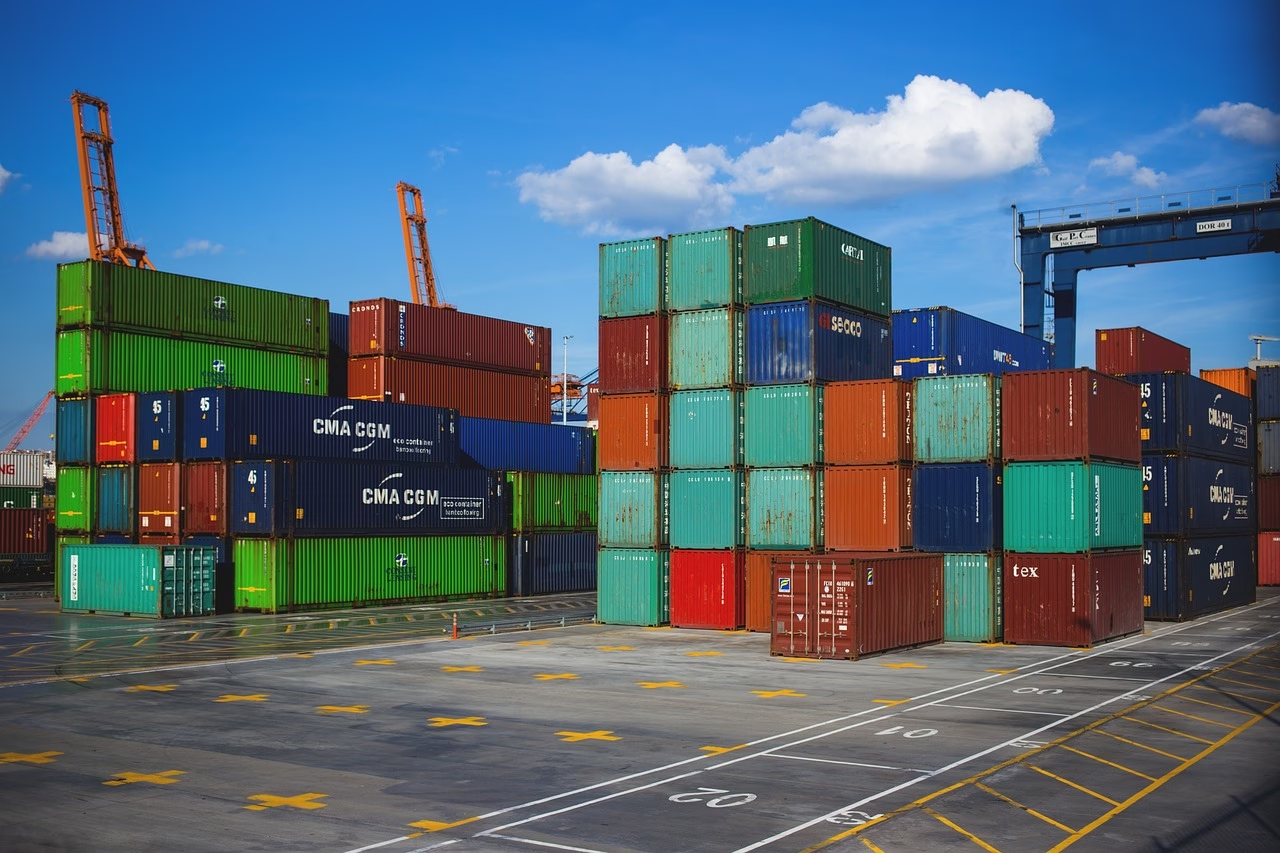
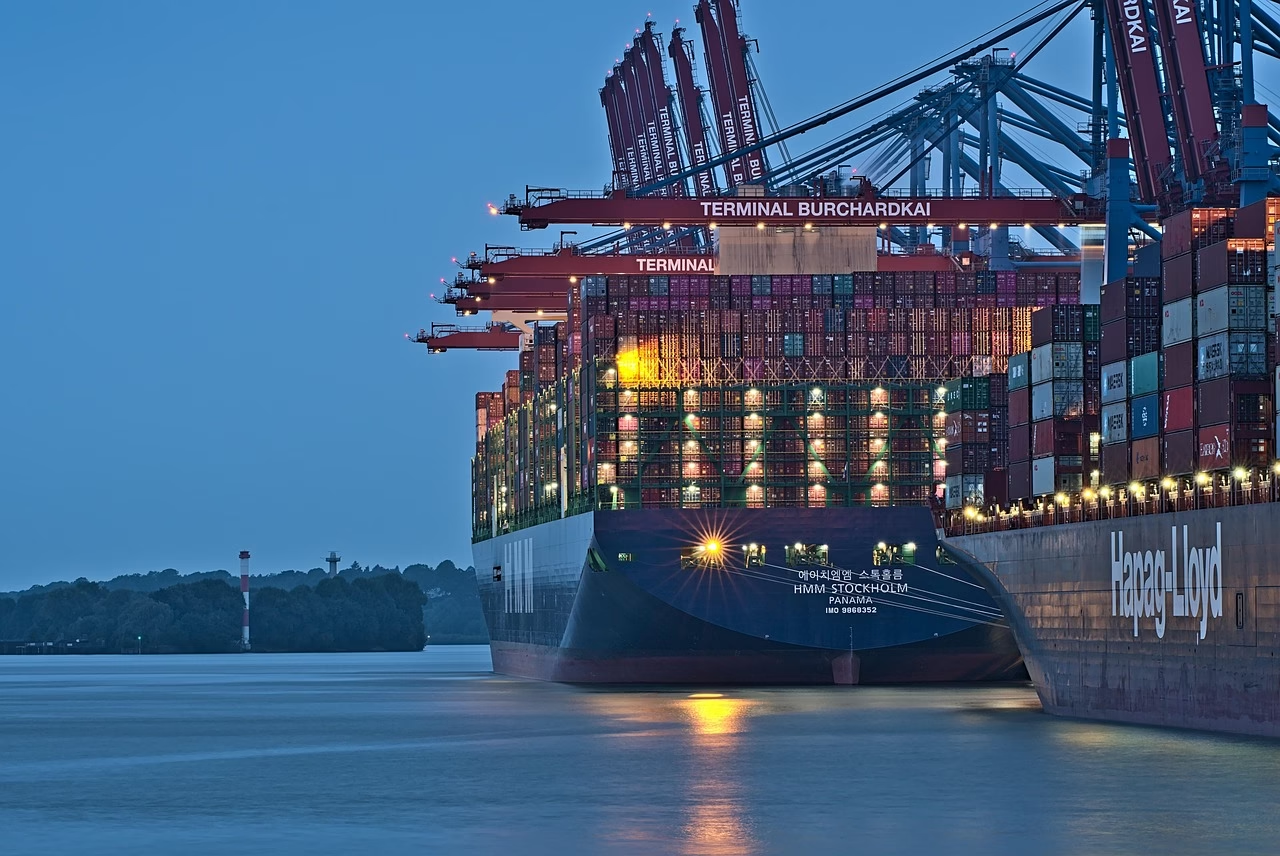
For the global markets, the announcement has triggered a notable response, particularly in the energy sector, where volatility had been high due to risks regarding oil transit through the Strait of Hormuz. A permanent end to hostilities would likely stabilize global fuel prices and reduce the risk premium currently baked into international shipping insurance.
For the average reader, the shift suggests a period of cooling regional tensions, though the sustainability of the peace depends heavily on the implementation of the terms. The international community is now watching for the withdrawal of military assets from contested zones, which will serve as the first tangible test of the agreement’s integrity.
Moving forward, the primary focus will be on the verification protocols established by the signatories to ensure both sides adhere to the terms. Future developments to monitor include potential multilateral talks involving regional stakeholders and the establishment of a permanent oversight committee to manage the transition from active conflict to normalized relations.






















Leave a Reply