


The State of Indefinite Waiting
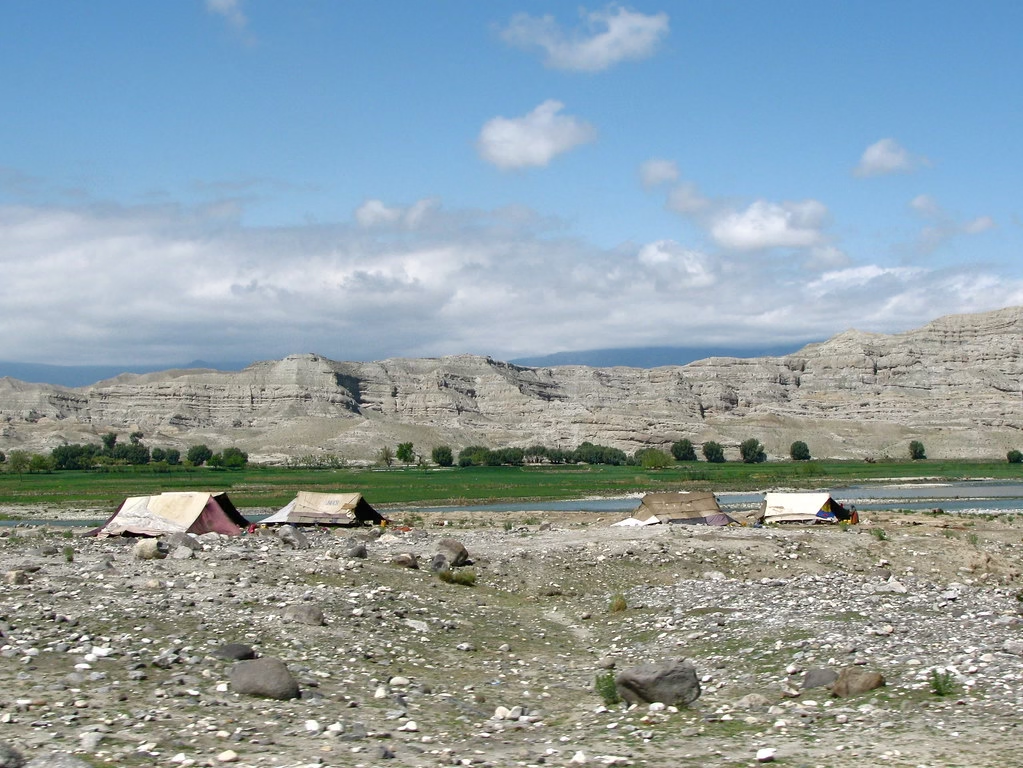
More than one thousand Afghan refugees who assisted the United States military remain trapped in a state of suspended animation at a former American base in Qatar. Months after the U.S. withdrawal from Kabul, these individuals, who served as translators, security staff, and logistical support, continue to live in cramped, temporary housing while navigating an arduous and opaque resettlement process.
A Legacy of Unfulfilled Promises
The situation at the Qatari facility serves as a stark reminder of the chaotic end to the 20-year war in Afghanistan. Following the rapid collapse of the Afghan government in August 2021, the U.S. government facilitated a massive evacuation effort that brought tens of thousands of allies to safety. However, the sheer volume of applicants and the complexities of vetting procedures have created a bureaucratic bottleneck that has left a significant population stuck in transit.
Life Behind the Perimeter
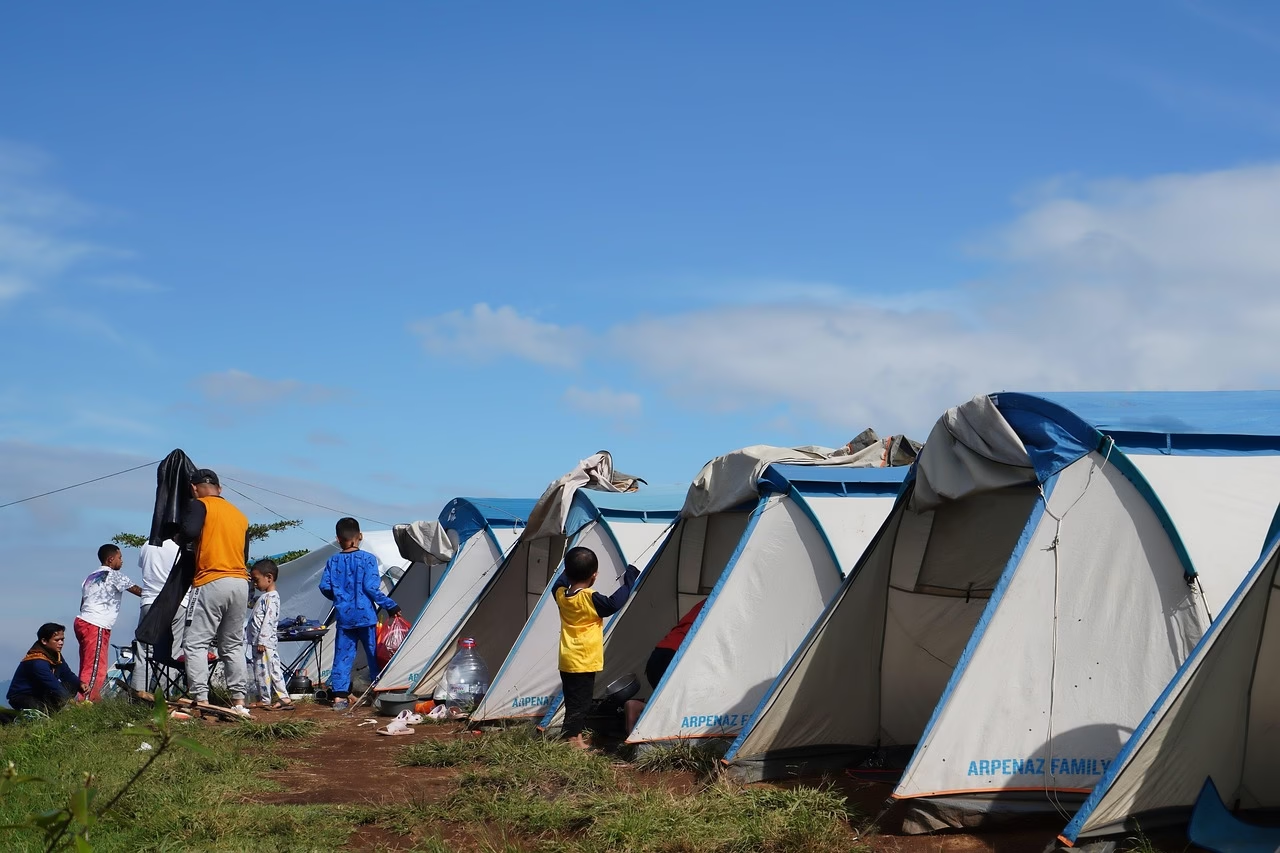
Conditions within the facility, which serves as a holding site for those awaiting final security clearances, are characterized by uncertainty and frustration. Families occupy makeshift living quarters, with little information regarding when their cases will be processed or which nations will eventually grant them permanent residency. Relief organizations have noted that the prolonged psychological strain of living without a clear timeline is taking a significant toll on the mental health of both children and adults.
The Complexity of Vetting
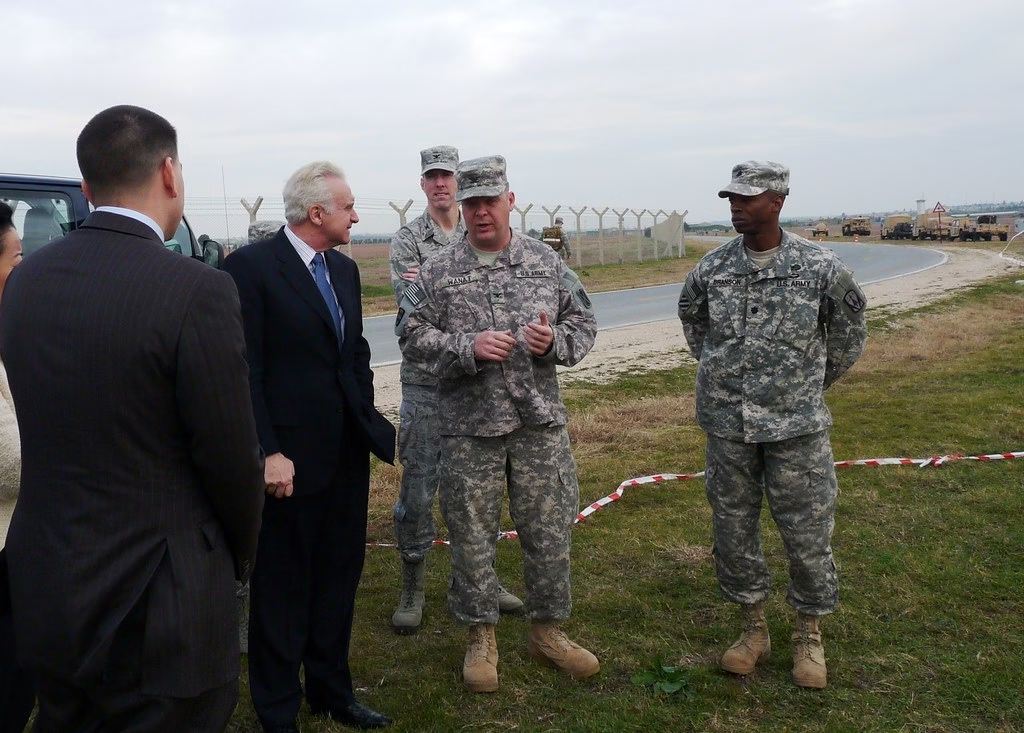
U.S. officials maintain that the vetting process is a matter of national security, requiring thorough background checks for every individual seeking entry into the United States. According to the Department of Homeland Security, the interagency review process is designed to ensure that all applicants meet strict criteria, yet critics argue that the lack of resources has turned a necessary security measure into a humanitarian crisis. Independent analysts suggest that the current backlog is exacerbated by limited staffing and the logistical challenge of verifying employment history for individuals from a country where government records were often destroyed or never existed.
Humanitarian Implications
For the refugees, the delay represents a profound betrayal of the promise of safety offered to those who risked their lives to support American operations. International aid groups warn that the longer these individuals remain in limbo, the more difficult their eventual integration into a host society will become. The lack of educational opportunities for children and the inability to work while at the base are creating a generational impact that may define their future prospects.
The Road Ahead
Moving forward, the international community is watching to see how the U.S. government accelerates the processing of these pending applications. Observers suggest that the focus will likely shift toward increasing the capacity of specialized refugee processing centers and potentially engaging third-party nations to share the burden of resettlement. As the situation persists, the global policy conversation will likely center on whether the current vetting infrastructure is capable of handling future crises, or if a more agile, permanent framework for wartime allies is required.















Leave a Reply