


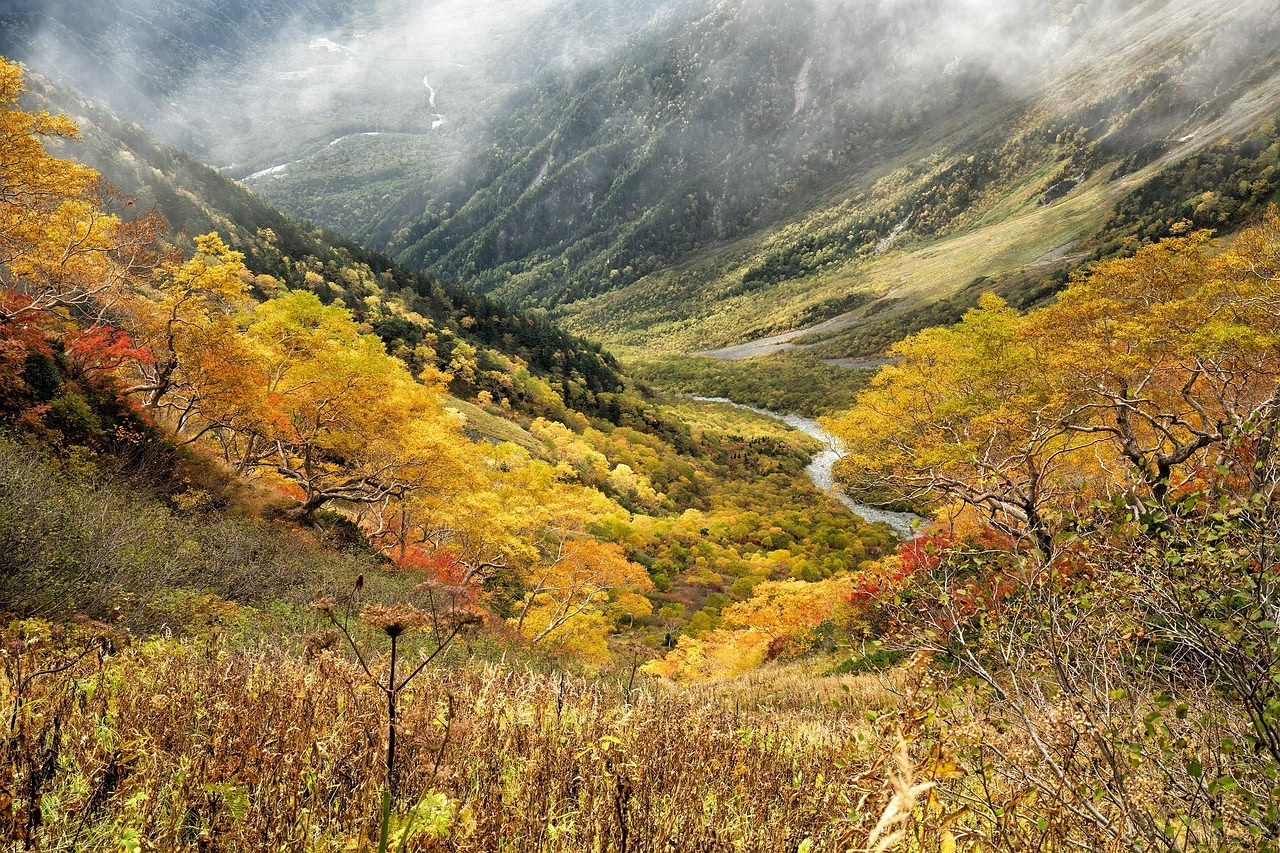
A 21-year-old American university student who went missing in Japan last week was found dead on Tuesday following an extensive, multi-day search operation led by local authorities. The student, identified as having disappeared in the mountainous region near Kyoto, was discovered by rescue teams in a remote area after family members and university officials raised the alarm when he failed to return from a solo hiking excursion.
The Context of the Search
Japan remains a popular destination for international students and tourists, often lauded for its safety and robust public infrastructure. However, the country’s rugged interior, particularly the dense forests surrounding the Kansai region, presents significant navigation challenges for those unfamiliar with the terrain.
Search efforts intensified over the weekend as local police, mountain rescue volunteers, and fire department personnel deployed drones and thermal imaging equipment to scour the area. The search was further complicated by volatile weather conditions, which hampered aerial visibility and restricted ground access for several days.
Details of the Investigation
Authorities confirmed that the student had informed associates of his hiking plans prior to departure, providing a crucial starting point for investigators. Despite this information, the difficult geography and dense foliage significantly delayed discovery efforts.
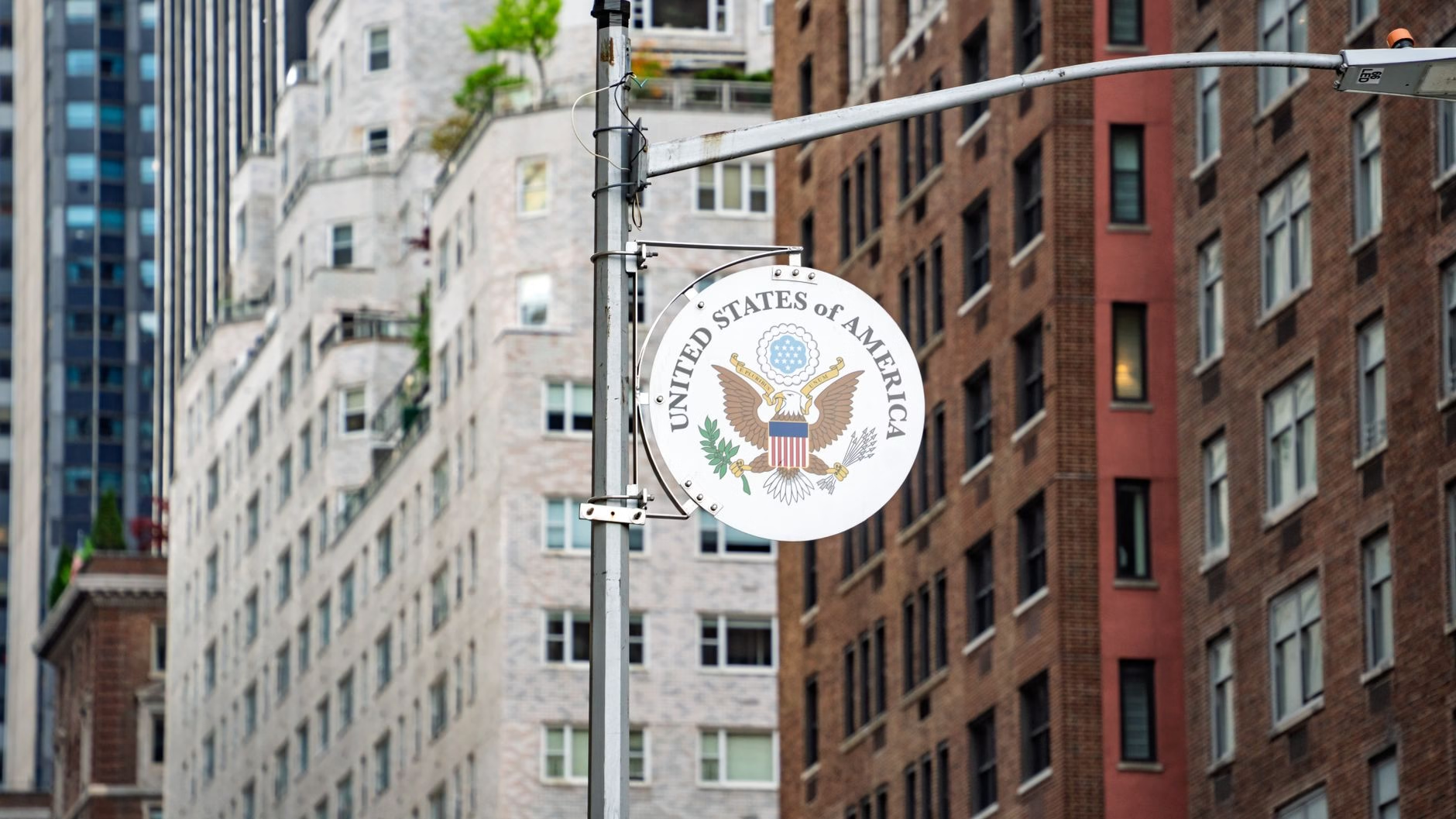
While local police have not yet released an official cause of death, they have launched a formal investigation into the circumstances surrounding the incident. The U.S. Embassy in Tokyo is currently providing consular assistance to the family and coordinating with Japanese law enforcement to facilitate the return of the deceased.
Expert Perspectives and Safety Data
Safety experts note that Japan’s hiking trails, while well-marked in popular areas, can be deceptive for inexperienced hikers. According to data from the National Police Agency of Japan, mountain accidents involving foreign nationals have seen a gradual increase over the last decade, often attributed to a lack of preparation for sudden climate shifts or off-trail navigation errors.
“The primary risk in these regions is the rapid change in altitude and weather,” says Hiroshi Tanaka, a regional mountain guide. “Even experienced hikers can find themselves disoriented when visibility drops or when mobile signal is lost in deep valleys.”
Broader Implications
This incident highlights the ongoing need for international students and travelers to prioritize safety protocols when venturing into remote Japanese landscapes. Educational institutions with study-abroad programs are now reviewing their safety briefings to emphasize the importance of registering hiking plans and carrying offline GPS devices.
Moving forward, authorities are expected to evaluate whether additional signage or restricted access points are necessary for high-risk trails. Observers will be watching for potential updates from the consular office regarding the final forensic report, which may dictate future travel advisories for American students planning to study in the region.




















Leave a Reply