



The Event: The Fragmentation of Global Finance
In May 2026, the Project mBridge platform—a collaboration between the BIS Innovation Hub and the central banks of China, Thailand, the UAE, and Saudi Arabia—has transitioned from a pilot phase to a full-scale commercial reality. This marks the most significant challenge to the US-dominated SWIFT system since the 1970s. By using multi-Central Bank Digital Currencies (mCBDCs), major oil exporters and manufacturing hubs are now settling multi-billion dollar trades instantly, bypassing the Western banking architecture entirely.
The Tool: BIS Innovation Hub (mBridge Ledger)
To monitor this shift in real-time, analysts and logistics managers are utilizing the Bank for International Settlements (BIS) Innovation Hub Data Portal alongside Chainalysis’s Cross-Border Flow Monitor. These tools allow you to track the velocity of non-USD settlements and identify which regional corridors are successfully ‘darkening’ their financial flows from traditional Western oversight.
Why This Matters for Your Bottom Line
This is no longer a theoretical debate about ‘de-dollarization’; it is a functional shift in how money moves across borders. Here is the direct impact on key sectors:
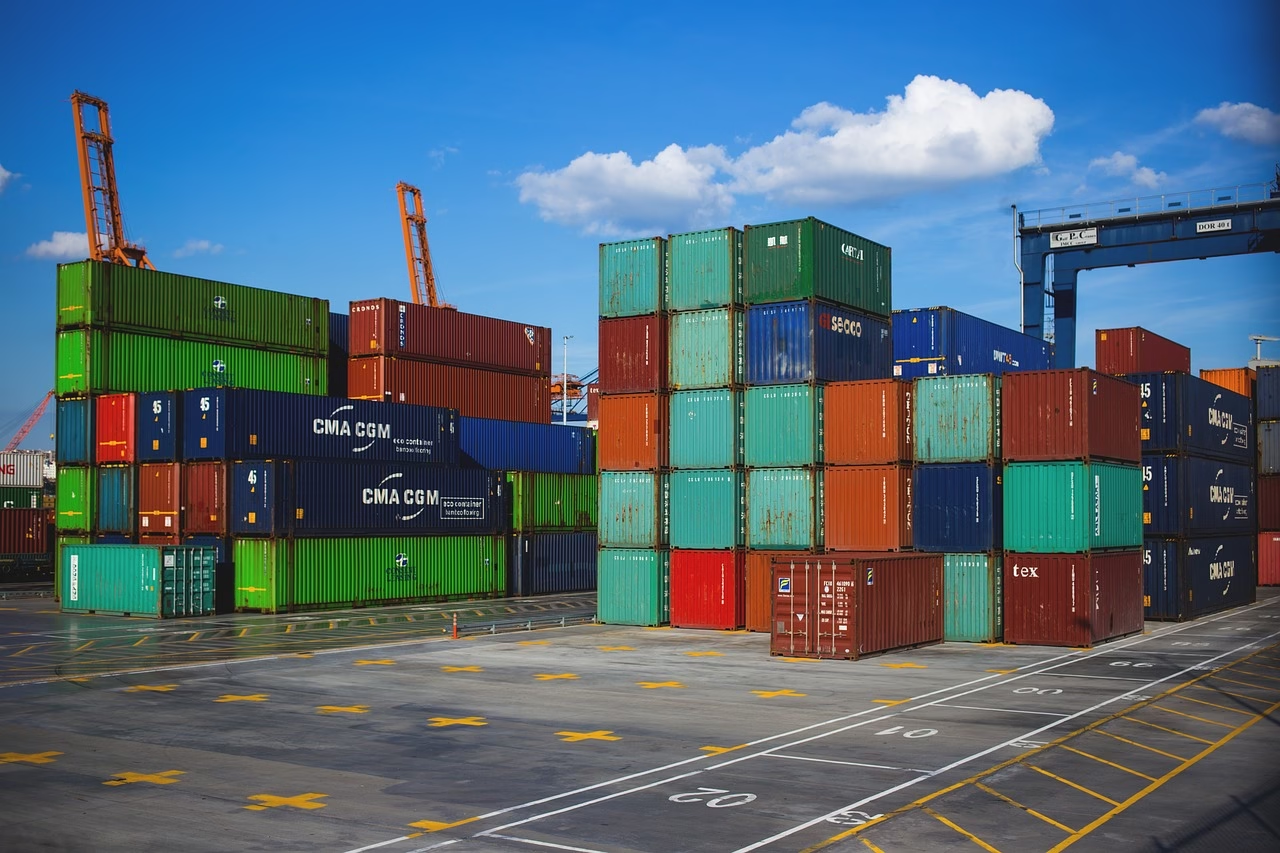
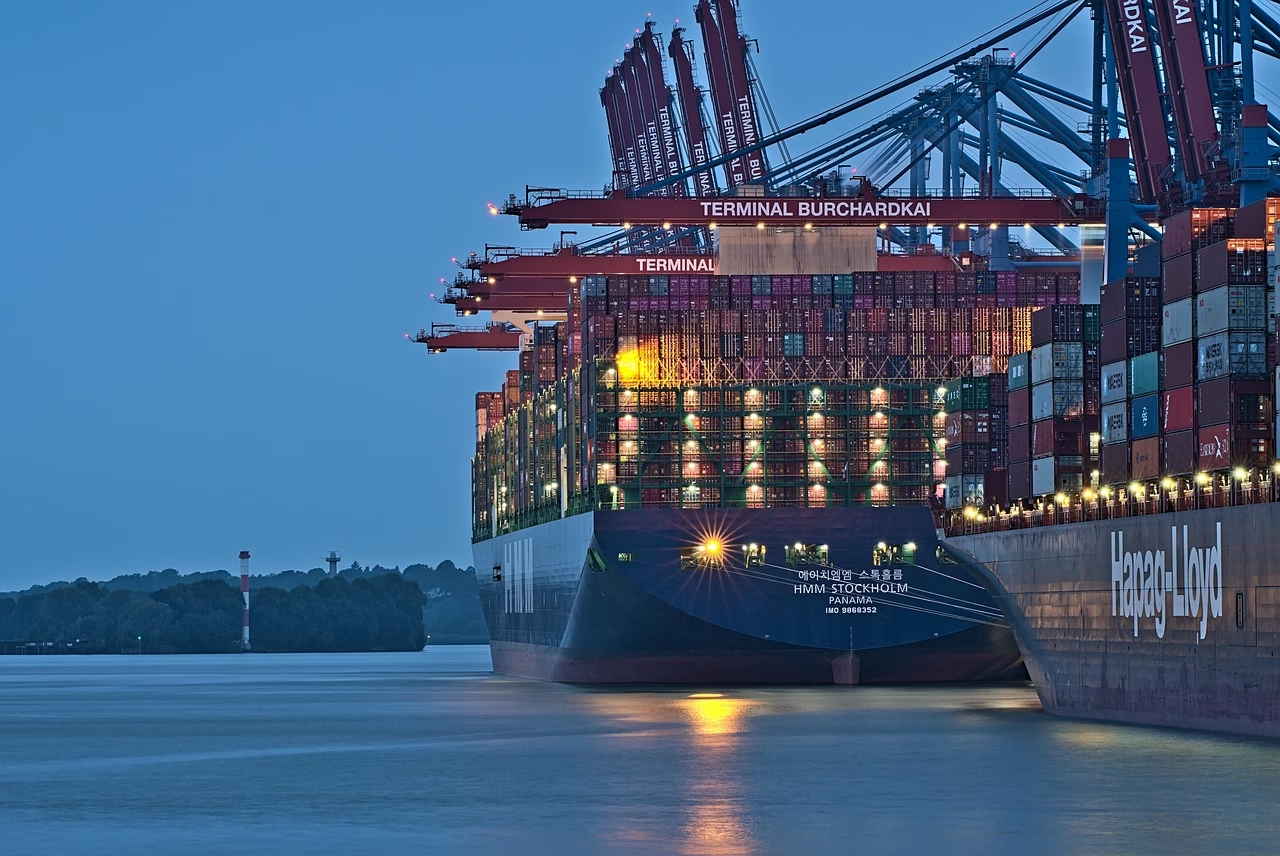
- For Logistics and Shipping Managers: Port fees in Jebel Ali (UAE) and Shanghai are increasingly being settled in local CBDCs. This reduces the ‘settlement lag’ from 3-5 days to mere seconds, but it introduces a new risk: compliance with potential US secondary sanctions for those operating in both ecosystems.
- For International Freelancers: If you serve clients in the Middle East or Southeast Asia, the ‘mBridge’ corridor offers a way to receive payments with near-zero fees compared to the 3-7% lost in SWIFT intermediary bank charges. However, holding these digital assets requires a new approach to currency hedging.
- For Global Investors: The ‘liquidity premium’ of the USD is thinning. As more trade stays within the mBridge ledger, the demand for US Treasuries as a reserve asset faces a slow, structural decline. We are seeing increased volatility in the DXY (Dollar Index) as markets price in this bifurcated financial world.
Strategic Risk Mitigation: What to Do Now
- Diversify Payment Rails: If your business relies on Asian or Middle Eastern suppliers, set up accounts that can handle multi-currency digital wallets. Don’t rely solely on a single Western bank.
- Monitor ‘Secondary Sanction’ Alerts: Use tools like Sayari Graph to ensure your trade partners aren’t being flagged by the US Treasury as they migrate to non-USD platforms.
- Adjust Cash Reserves: Investors should consider increasing exposure to ‘neutral’ physical assets or currencies of nations participating in mBridge to hedge against USD-specific liquidity shocks.
The Bottom Line: The financial map of the world is splitting. In 2026, the competitive advantage goes to the business owner who can operate in both the SWIFT and the mBridge environments simultaneously.

























Leave a Reply