



American consumers and logistics networks face a sharp economic shock this week as domestic gasoline and diesel prices climb rapidly following escalating military tensions involving Iran near the Strait of Hormuz, a critical transit choke point for global crude supplies.
The price spikes at the pump threaten to reignite broader U.S. inflation, disrupting supply chains and placing immediate financial pressure on freight carriers and households alike.
Energy markets reacted swiftly to the maritime conflict, driving futures higher and triggering widespread retail price increases across the United States within hours of the opening bell.
Context Behind the Global Energy Shock
The Strait of Hormuz handles approximately 20 percent of the world’s daily petroleum consumption, making any military threat or blockade in the region an immediate catalyst for market panic.
Although the United States produces crude oil at record levels, domestic fuel markets remain inextricably linked to global benchmarks like Brent crude.
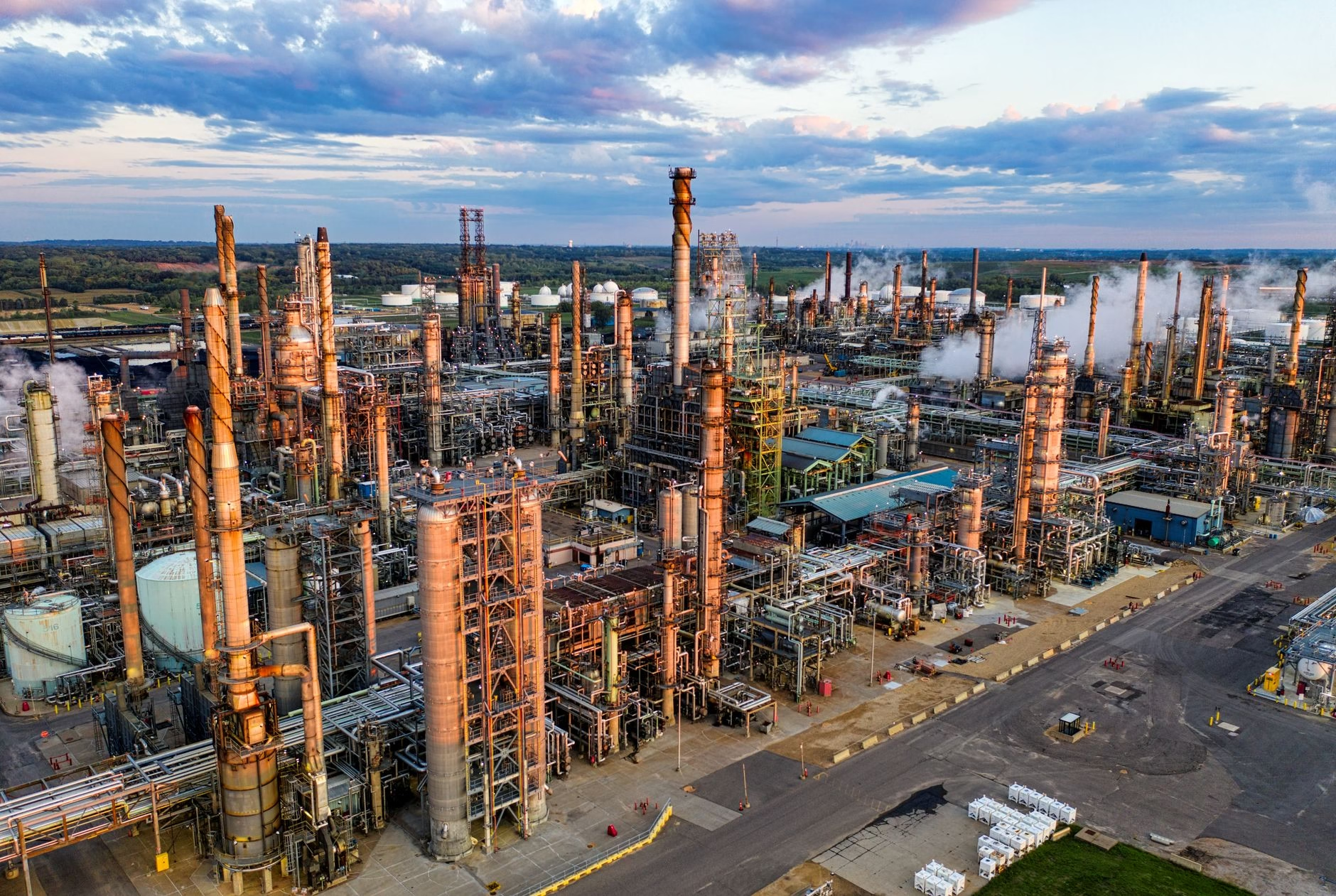
Refinery bottlenecks, import obligations, and regional distribution networks mean that overseas supply disruptions swiftly impact prices at American filling stations from coast to coast.
The Asymmetry of Fuel Pricing Mechanisms
Energy analysts warn of a structural market dynamic known as asymmetric price transmission, often described by economists as the ‘rockets and feathers’ phenomenon.
Retail fuel prices jump like a rocket on the immediate headlines of geopolitical turmoil, but they drift down like a feather once conflict subsides or military operations halt.
Even if active shooting in the Persian Gulf ceases immediately, wholesalers and gas station operators typically delay price cuts to safeguard against lingering supply uncertainty and high inventory replacement costs.
This persistent structural lag ensures that elevated energy costs will continue to burden American drivers and businesses for weeks after any potential diplomatic resolution.
Particularly damaging is the surge in diesel fuel, the primary driver for heavy transport, freight trains, and agricultural machinery.
Because diesel powers the industrial backbone of the country, elevated distillate costs compound rapidly across the entire supply chain, driving up product prices long before gasoline hits its peak.
Expert Perspectives and Key Market Data
Data from the U.S. Energy Information Administration indicates national average gasoline prices have jumped over thirty cents per gallon in less than a week, while diesel inventories remain well below historical five-year averages.
Financial institutions have adjusted their projections upward, with commodity analysts pointing to shipping insurance costs as a key compounding factor.
Maritime war-risk insurance rates for tankers navigating near the Persian Gulf have surged sharply, adding hundreds of thousands of dollars in overhead per voyage.
“Refiners and distributors are forced to reprice inventory immediately based on replacement costs rather than historical acquisition costs,” explained Elena Vance, chief energy strategist at Capital Macro Research. “When supply security in the Strait of Hormuz is compromised, every intermediary along the distribution chain builds in a higher risk premium.”
Additionally, several major U.S. Gulf Coast refineries are currently conducting seasonal maintenance, temporarily reducing regional refining capacity and compounding the supply tightness.
Economic Fallout and What to Watch Next
The sudden surge in energy costs complicates monetary policy for the Federal Reserve, which has been working to guide inflation back toward its target while avoiding economic contraction.
Sustained diesel prices threaten to halt recent disinflationary trends in consumer goods, as trucking firms pass fuel surcharges directly to retailers and consumers.
For corporate logistics managers, extended high fuel costs necessitate immediate budget adjustments and potential spending cuts in other operational areas.
In the coming weeks, market observers must track refinery utilization rates across the Gulf Coast and Midwest to determine if domestic output can buffer against international losses.
Traders will also watch for potential policy responses from Washington, including emergency releases from the Strategic Petroleum Reserve or diplomatic measures to guarantee commercial shipping safety.
The duration of this economic shock ultimately hinges on whether maritime transit through the Strait of Hormuz stabilizes and how quickly shipping insurance premiums return to baseline levels.





















Leave a Reply