


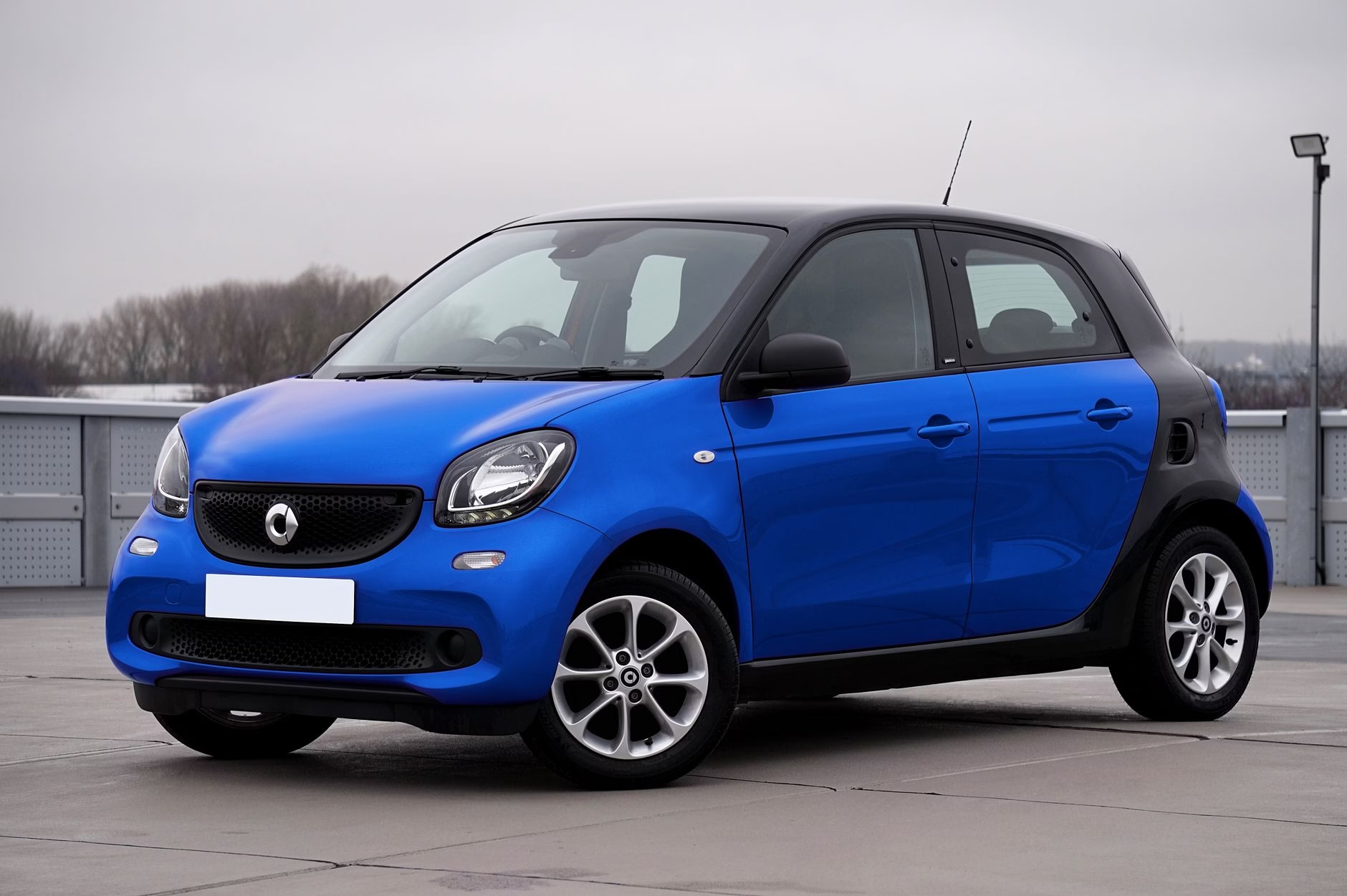
The Landscape of Affordable Electric Vehicles
The global automotive market has experienced a massive shift toward electrification over recent years. As legacy automakers and new market entrants alike scramble to capture consumer interest, affordability remains the single biggest hurdle for mass adoption. Budget-conscious buyers are actively seeking alternatives to expensive luxury models, creating immense demand for low-cost electric transport. While Asian manufacturers initially dominated this specific segment with inexpensive imports, European brands are now rethinking their strategies to remain competitive on home turf.
From Asian Imports to European Manufacturing
For a considerable period, major European automotive groups utilized manufacturing hubs in Asia to build ultra-affordable electric models. This strategy allowed brands to bypass high domestic production costs and offer consumers exceptionally low purchase prices. However, changing geopolitical landscapes, shifting trade tariffs, and evolving supply chain priorities have forced a dramatic rethink. Rather than relying on overseas assembly lines, automotive leadership is bringing manufacturing back to the European continent.
Maintaining Competitiveness Without Asian Plants
Transitioning production back to Europe introduces significant financial and logistical challenges, primarily driven by higher labor costs and strict regulatory standards. To counteract these expenses, automotive engineers are rethinking vehicle architecture, streamlining assembly processes, and optimizing battery supply chains. The goal is to absorb these domestic manufacturing overheads without passing excessive costs onto the everyday car buyer. Preserving an attractive price point is vital for capturing budget-driven consumers who might otherwise look toward international competitors.
Meeting the Demands of Modern Drivers
Today’s drivers expect efficiency, reliability, and modern connectivity features, even in the most budget-friendly vehicle classes. Automakers are successfully integrating essential technology without inflating the final sticker price. By focusing on minimalist design choices, lightweight materials, and efficient electric powertrains, brands can deliver practical urban transport. This approach ensures that cost-effective electric cars remain attractive and functional for daily commuting needs.
The Future of Budget Electric Mobility in Europe
The decision to localize production marks a defining moment for the regional automotive industry. By anchoring manufacturing capabilities closer to home, brands can secure greater supply chain stability and better compliance with environmental standards. As more localized models hit the market, consumers will have access to a broader selection of affordable and responsibly built electric vehicles. This evolutionary step guarantees that the European automotive sector retains its relevance and strength in a rapidly changing global economy.






















Leave a Reply