


The Strategic Realities of the Conflict
Military actions in Eastern Europe have once again escalated dramatically following a brief diplomatic interlude. The capital of Ukraine found itself under heavy bombardment as soon as a temporary halt in hostilities concluded.
Diplomatic Efforts and the Three-Day Pause
For three consecutive days, military engagements around the governmental center experienced a noticeable reduction. This pause aligned directly with high-level diplomatic discussions involving international envoys appointed by the United States administration, specifically including figures like Steven Witkoff and Jared Kushner, who engaged regional leaders in intensive peace negotiations.
The Renewal of Hostilities
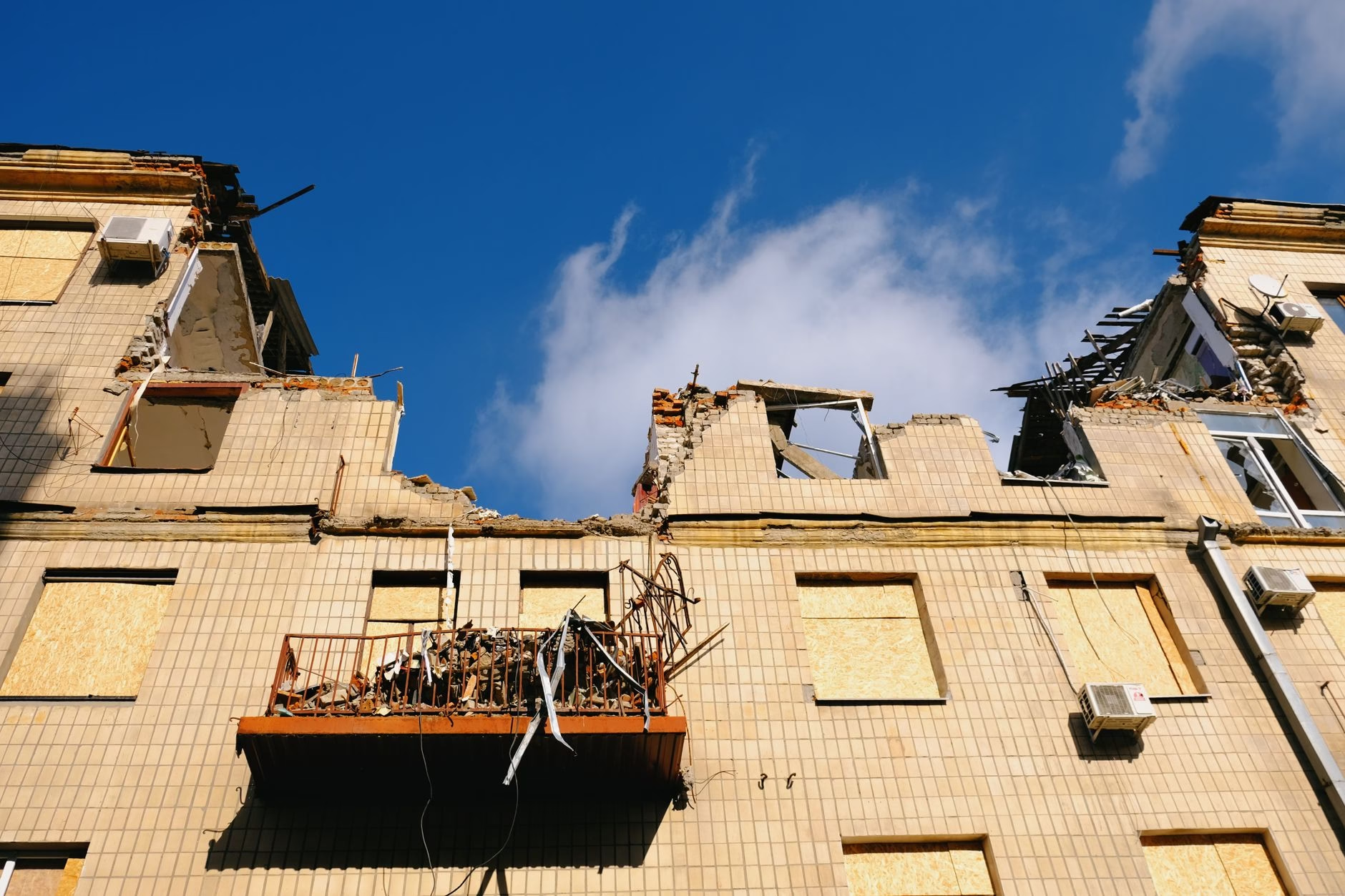
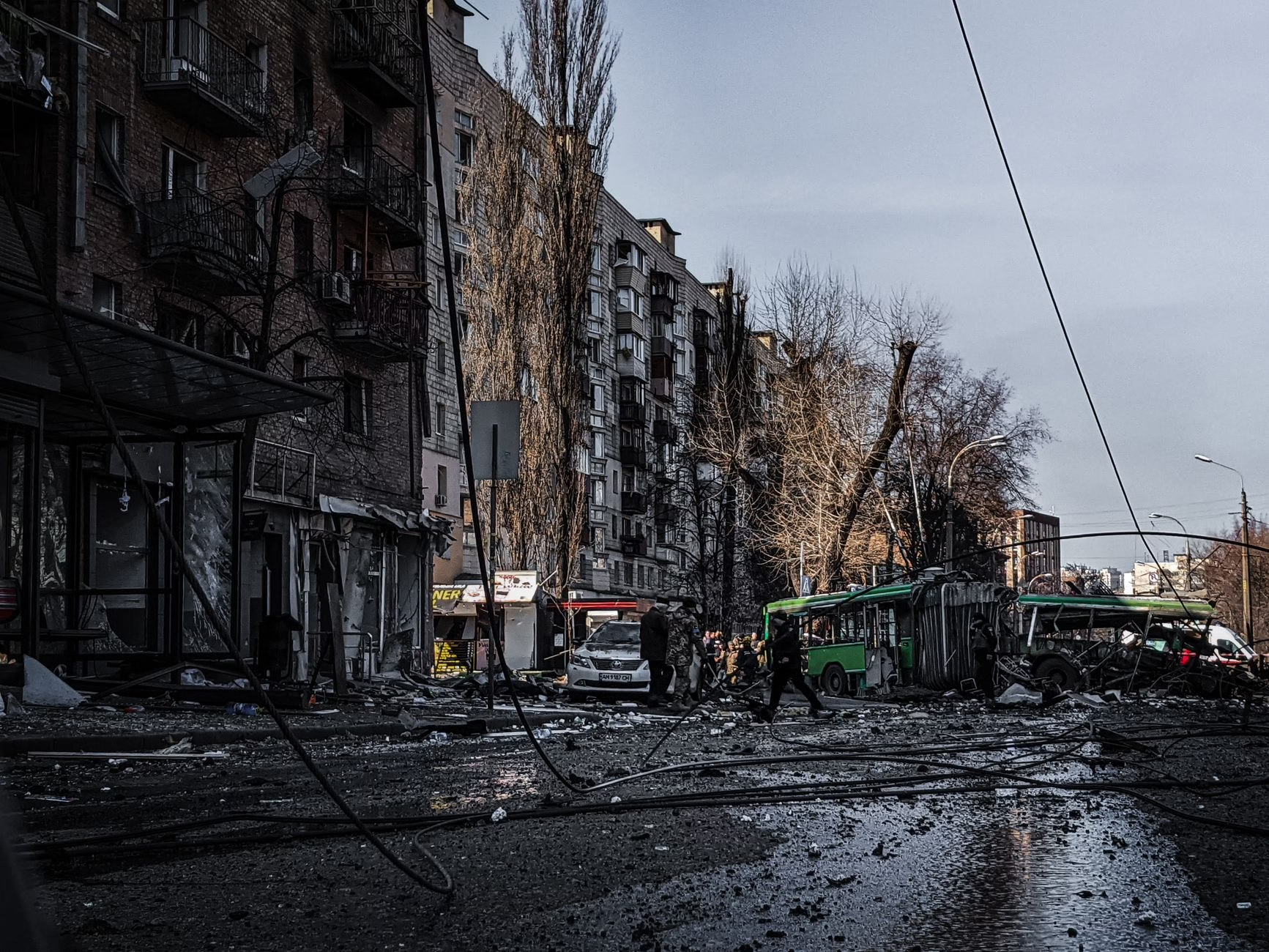
Barely had the diplomatic delegates concluded their scheduled sessions and departed the region when air raid sirens began wailing across the metropolitan area. Explosions lit up the early morning sky as incoming projectiles targeted critical infrastructure within the urban center.
Implications for Future Negotiations
This rapid return to large-scale bombardments underscores the immense volatility surrounding any potential diplomatic breakthrough. Observers note that while international mediators continue striving to establish a framework for lasting peace, the immediate operational tempo on the ground demonstrates that significant hurdles remain.
Humanitarian Impact on the Capital
Residents of the besieged city continue to bear the heaviest burden of these shifting tactical phases. The swift transition from diplomatic engagement to active combat highlights the ongoing danger faced by civilians living within the conflict zone.




















Leave a Reply