


Frontline Dynamics in Modern Warfare
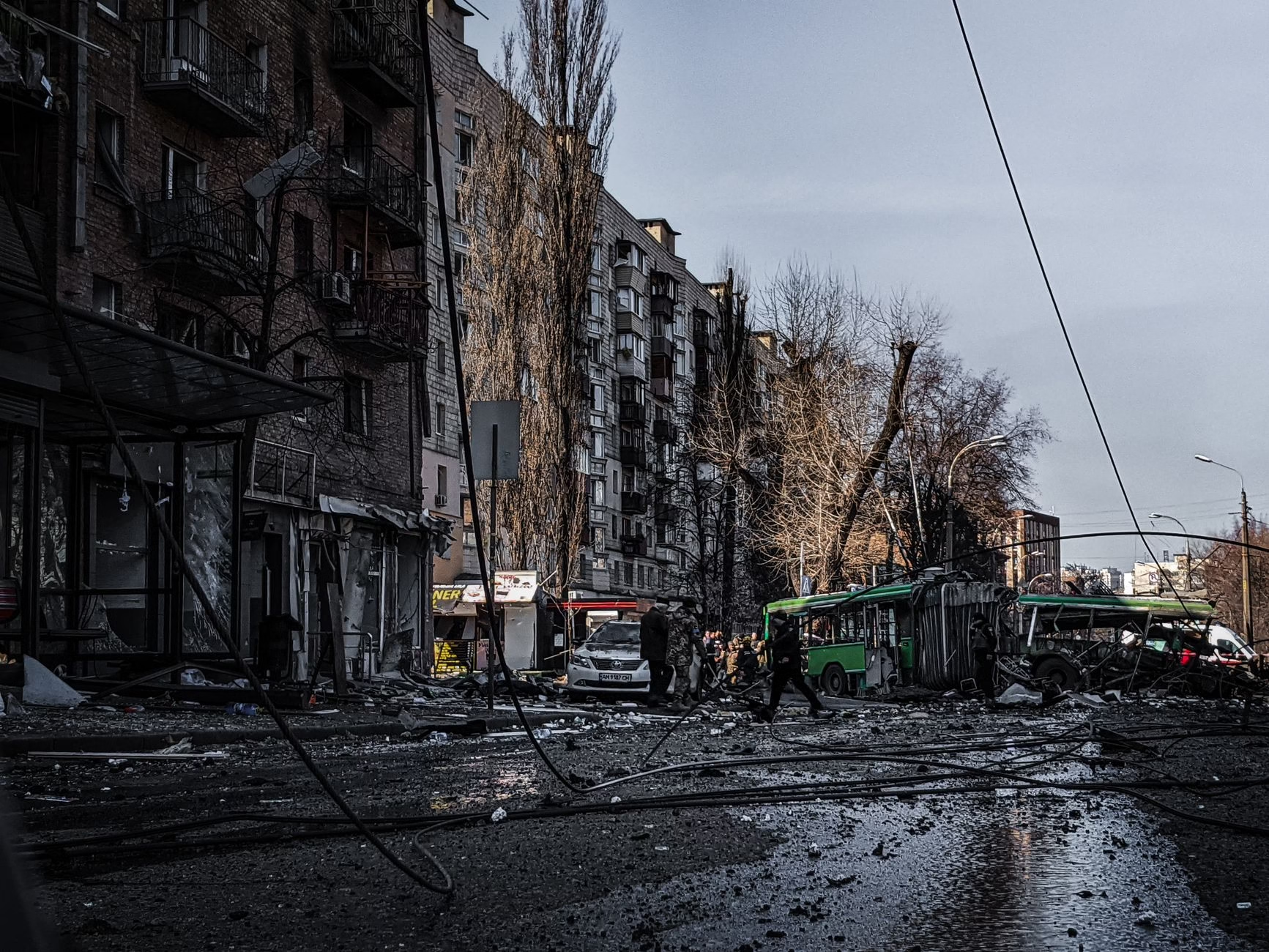
Modern combat relies heavily on advanced technology, fast communication networks, and reliable internet connectivity. In southeastern Ukraine, military drone units play a crucial role in countering advancing forces and supporting ground operations. These specialized teams depend on continuous data transmission to monitor enemy movements, coordinate tactical responses, and maintain operational efficiency across contested zones.
The Importance of Satellite Communication
Satellite internet terminals have become an indispensable asset for defense forces operating in remote or heavily damaged regions where traditional infrastructure has collapsed. These portable terminals allow military personnel to establish secure communication links almost anywhere. Drone operators utilize these high-speed connections to pilot aerial reconnaissance devices, stream real-time video feeds back to command centers, and deliver precise coordinates for defensive maneuvers.
Challenges on the Front Lines
Despite the revolutionary benefits of these satellite networks, operational challenges frequently arise in active combat zones. Bandwidth constraints, technical glitches, and service interruptions can severely hamper the effectiveness of deployed units. When connectivity drops or speeds decline, the ability to maneuver drones safely and gather timely intelligence is compromised, placing additional pressure on soldiers who are actively working to push back opposing forces.
Adapting to Technological Hurdles
Military personnel stationed on the front lines must constantly adapt to unexpected equipment failures and network slowdowns. Field technicians and unit commanders develop alternative communication protocols to ensure that operations can continue even when primary satellite links become unstable. Resourcefulness and technical resilience remain vital factors for drone units as they navigate the complexities of modern technological warfare in southeastern Ukraine.





















Leave a Reply