


Political Landscape in Europe
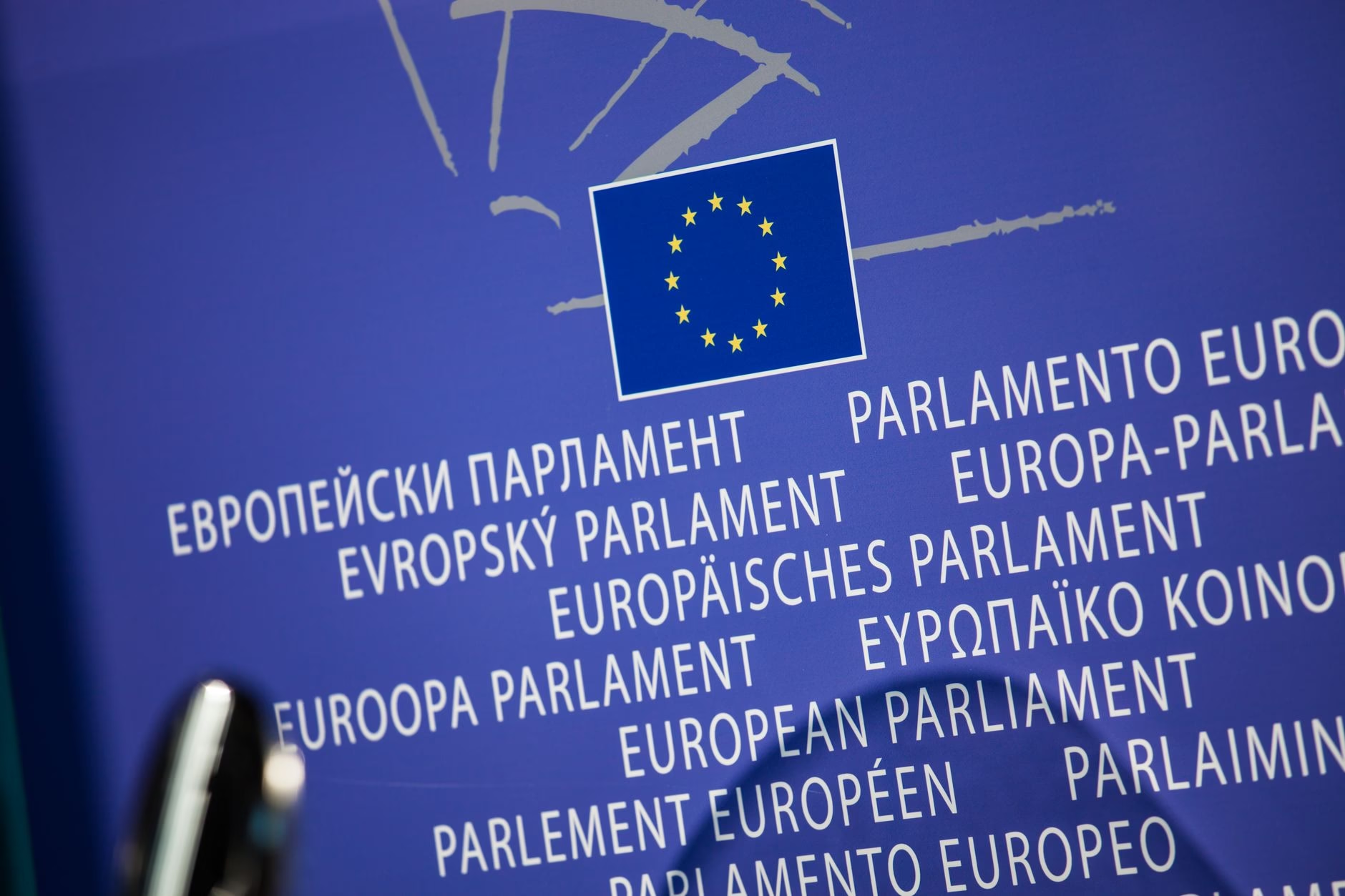
Recent political developments across Europe are reshaping the continent’s strategic priorities. Traditional power structures face mounting challenges from emerging populist movements. These shifts threaten to alter established legislative agendas and test the resilience of major political coalitions. Observers note that voter sentiment has grown increasingly volatile, driven by economic concerns and shifting geopolitical realities.
Pressure Mounts on Friedrich Merz
In Germany, prominent political figures like Friedrich Merz find themselves navigating an increasingly complex environment. Recent electoral victories by the Alternative for Germany party have intensified the scrutiny on mainstream leaders. Merz must now address voter discontent while maintaining party unity and upholding core policy commitments. The success of populist alternatives serves as a stark warning to established parties regarding the changing expectations of the electorate.
Ukraine War Funding Dilemma
Simultaneously, policymakers in Kyiv face critical financial hurdles as they attempt to sustain military operations. Securing adequate funding remains a pressing priority for Ukrainian leadership amidst ongoing conflict. International allies are continually evaluating their financial commitments, leading to intense debates over the longevity and scale of external support. The ability to maintain a steady flow of resources is vital for regional stability and defense efforts.
Implications for Regional Stability
The intersection of domestic political upheaval and international security challenges creates a precarious environment for European governance. Leaders across the continent must balance internal political survival with vital foreign policy obligations. As nations grapple with these dual pressures, the path forward requires careful diplomatic navigation and strategic adaptability to ensure long-term security and economic resilience.

















Leave a Reply