


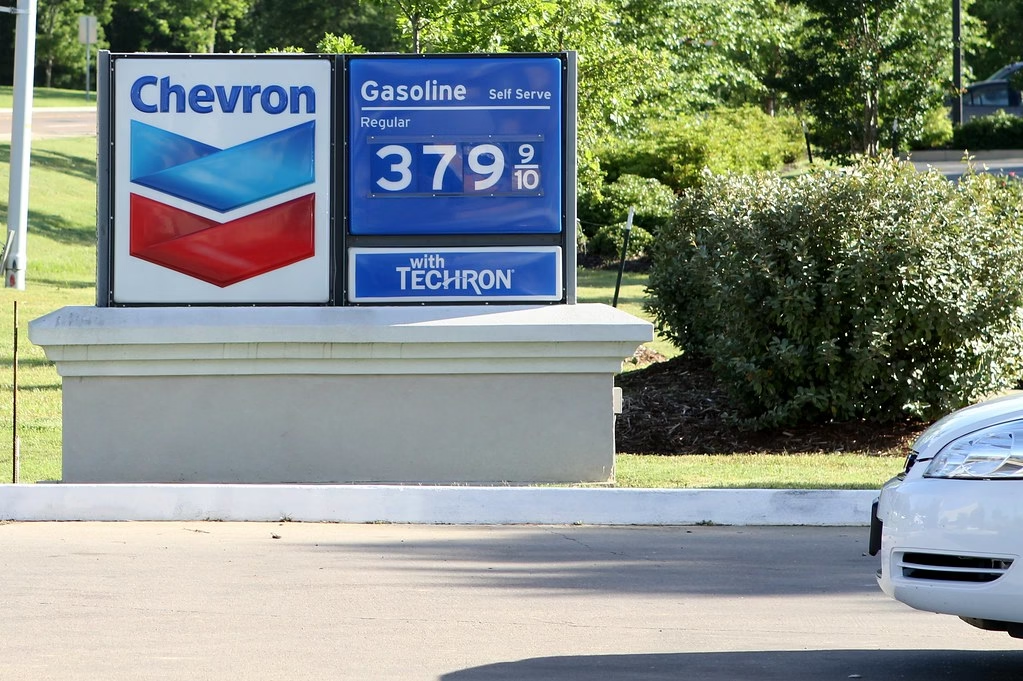
Canadian motorists should prepare for renewed volatility at the pump as the fragile prospect of a peace deal between the United States and Iran dissolves amid fresh military strikes. Following weeks of relative stability, global oil markets are reacting sharply to the uncertainty in the Middle East, a development that analysts warn will inevitably translate into higher retail fuel costs across Canada in the coming weeks.
The Fragility of Global Oil Markets
The recent escalation in hostilities has effectively halted the momentum of de-escalation efforts that had previously provided a buffer for global energy supplies. As oil prices serve as the primary benchmark for domestic fuel costs, any disruption in the Middle East—a region responsible for a significant portion of the world’s daily oil production—creates an immediate ripple effect.
Historically, energy markets are hypersensitive to news of regional conflict. When geopolitical risks spike, traders often preemptively bid up the price of crude oil, anticipating potential supply chain bottlenecks or the imposition of new sanctions on major producers.
Analyzing the Economic Impact
Energy analysts note that the correlation between Middle Eastern instability and the Canadian price at the pump is direct and rapid. Because Canada’s domestic fuel prices are tied to global benchmarks, such as West Texas Intermediate (WTI) and Brent Crude, local retailers typically adjust their pricing within days of global market shifts.
Data from recent market sessions indicates that crude prices have already begun a steady climb. This upward movement is compounded by the fact that global oil inventories remain tight, leaving little room for error if supply lines are compromised or if major transit routes, such as the Strait of Hormuz, face increased security threats.
Expert Perspectives on Market Volatility
Financial experts suggest that the current situation represents a ‘risk premium’ being added to the price of every barrel of oil. According to recent market reports, the market is currently pricing in the fear of a broader regional conflict, which could disrupt the flow of oil to Western markets.
Economists emphasize that while Canada is a net exporter of oil, the country’s domestic retail market remains vulnerable to international price fluctuations. The refining capacity and the complex logistics of moving crude from Western provinces to Eastern markets mean that Canadian consumers are still largely subject to the whims of global supply and demand dynamics.
Implications for Consumers and Industry
For the average Canadian household, the return of rising gas prices arrives at a time when inflationary pressures are already straining discretionary budgets. Transportation costs are a significant component of the Consumer Price Index, meaning that higher fuel prices will likely exert upward pressure on the cost of groceries, shipping, and other essential goods.
Industries reliant on long-haul logistics are particularly vulnerable to these shifts. Transportation and manufacturing sectors may face narrowed profit margins if they cannot pass these increased energy costs onto the consumer, potentially leading to a broader slowdown in economic growth.
Moving forward, market observers will be closely monitoring diplomatic developments between Tehran and Washington to gauge the longevity of this price surge. Analysts suggest that until a definitive cooling of regional tensions is observed, investors should expect continued volatility in energy commodities. Consumers should watch for sustained shifts in crude pricing over the next quarter, as these will serve as the most reliable indicators of how long this period of rising fuel costs might persist.























Leave a Reply