


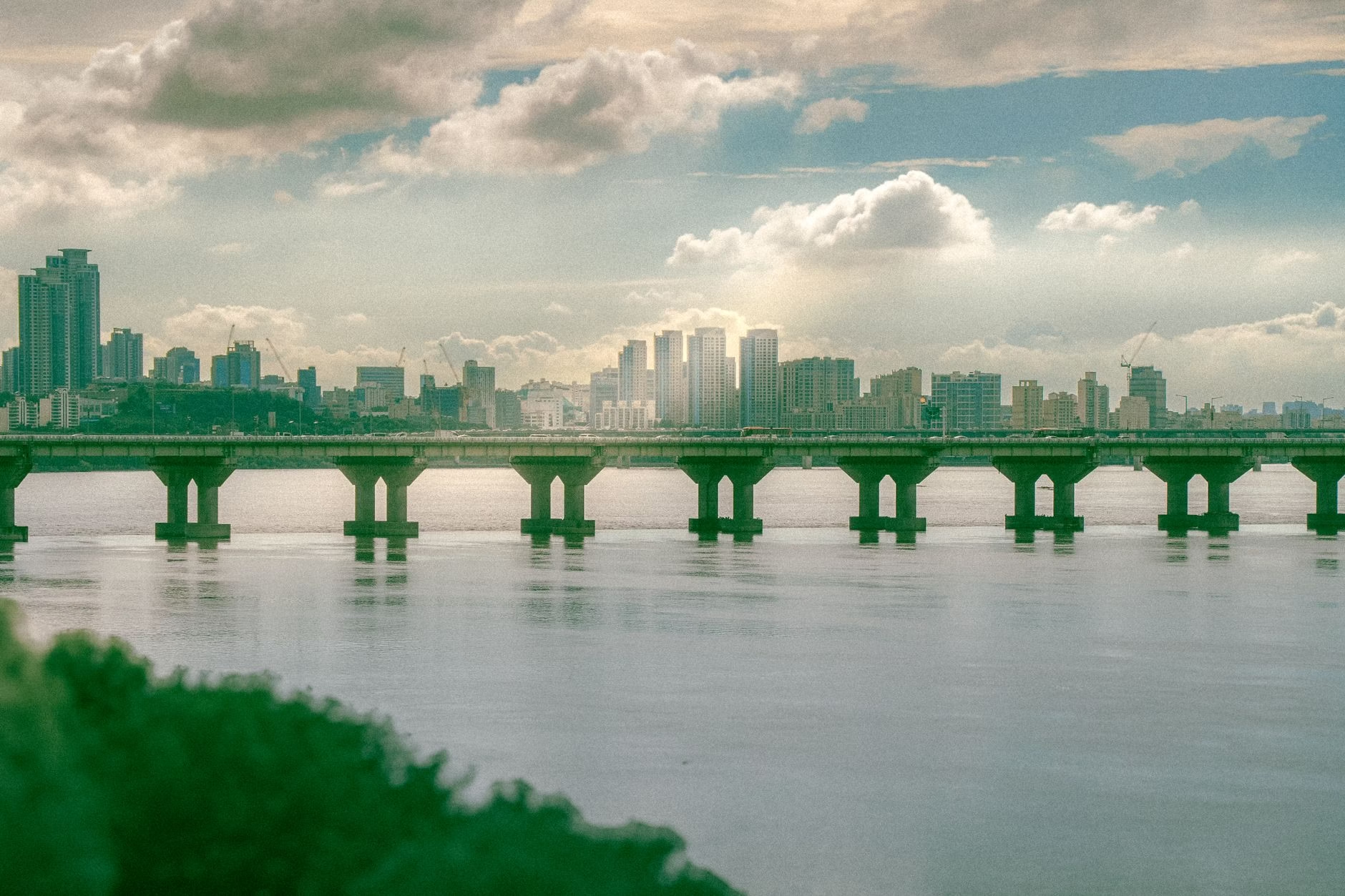
The bustling metropolis of Seoul has recently confronted an unprecedented environmental challenge, as the city’s meteorological authorities issued their highest level of heat alert. This critical declaration came as temperatures surged to a scorching 38 degrees Celsius, signaling a severe threat to public health and urban infrastructure. The extreme heat necessitates immediate and coordinated action from both governmental bodies and individual citizens to mitigate potential risks. This situation underscores the growing urgency for robust climate adaptation strategies in densely populated urban centers.
Understanding the Highest Heat Alert
The issuance of the highest heat alert in Seoul is a significant event, reflecting the severity of the prevailing weather conditions. Such alerts are typically triggered when temperatures reach dangerous thresholds, sustained over a period that poses substantial health risks to the population. A temperature of 38 degrees Celsius, especially when combined with high humidity, can create an oppressive environment where the human body struggles to regulate its core temperature effectively. This level of alert mandates comprehensive public safety measures and heightened vigilance across all sectors.
Health Risks and Public Safety
Prolonged exposure to extreme heat carries a multitude of health risks, ranging from mild discomfort to life-threatening conditions. Heatstroke, heat exhaustion, and dehydration are among the most common ailments observed during such periods. Vulnerable populations, including the elderly, young children, outdoor workers, and individuals with pre-existing medical conditions, are particularly susceptible to these adverse effects. The intense heat can exacerbate cardiovascular and respiratory issues, leading to increased hospitalizations and, in severe cases, fatalities. Public health campaigns become crucial during these times, advising residents on preventative measures such as staying hydrated, seeking shaded or air-conditioned environments, and avoiding strenuous outdoor activities during peak heat hours.
Government Response and Mitigation Efforts
In response to the elevated heat alert, the Seoul metropolitan government has activated a comprehensive emergency response plan. This typically involves the establishment of cooling centers in public buildings, community centers, and subway stations, providing residents with accessible refuges from the heat. Emergency services are placed on high alert, ready to respond to heat-related medical emergencies. Public transportation systems may implement measures to ensure passenger comfort, while construction sites and outdoor workplaces are often advised or mandated to adjust working hours to avoid the hottest parts of the day. Communication campaigns are intensified, utilizing various media channels to disseminate critical safety information and encourage community vigilance.
Infrastructure Strain and Economic Impact
Beyond immediate health concerns, extreme heat places considerable strain on urban infrastructure. The increased demand for air conditioning leads to a surge in electricity consumption, potentially overloading power grids and raising the specter of blackouts. This can disrupt essential services and further endanger vulnerable populations. Transportation networks, including roads and railways, can also be affected, with heat-induced expansion causing damage or operational delays. Economically, sectors reliant on outdoor labor, such as agriculture and construction, face productivity losses due to reduced working hours and increased safety protocols. The overall economic impact can be substantial, affecting various industries and the daily lives of citizens.
Broader Context of Climate Change
The recurring and intensifying heatwaves experienced globally, including the recent event in Seoul, are widely recognized as manifestations of broader climate change trends. Scientific consensus indicates that global warming is contributing to more frequent, longer-lasting, and more intense heat events. Urban areas, with their dense concrete structures and limited green spaces, are particularly vulnerable to the “urban heat island” effect, where temperatures are significantly higher than in surrounding rural areas. This phenomenon exacerbates the impact of heatwaves, making cities like Seoul hotspots for extreme heat. Addressing these challenges requires not only immediate emergency responses but also long-term strategies for climate resilience and mitigation.
Future Preparedness and Adaptation
Looking ahead, Seoul, like many other global cities, must continue to enhance its preparedness and adaptation strategies to cope with an increasingly warmer climate. This includes investing in green infrastructure, such as expanding urban forests and parks, which can help reduce ambient temperatures. Developing more energy-efficient cooling solutions and strengthening power grid resilience are also critical. Early warning systems, coupled with effective public education campaigns, can empower citizens to take proactive measures. Furthermore, urban planning initiatives that prioritize sustainable design and incorporate climate resilience principles will be essential in safeguarding the city’s future well-being and economic stability against the backdrop of a changing climate.
Conclusion
The recent issuance of Seoul’s highest heat alert, driven by temperatures reaching 38 degrees Celsius, serves as a stark reminder of the escalating challenges posed by extreme weather events. While immediate emergency measures are crucial for protecting public health and maintaining essential services, the long-term imperative lies in comprehensive climate adaptation and mitigation efforts. By fostering a resilient urban environment and empowering its citizens with knowledge and resources, Seoul can navigate the complexities of a warming world, ensuring the safety and prosperity of its residents for generations to come. The collective response to such climatic events will define the city’s ability to thrive amidst evolving environmental pressures.



















Leave a Reply