


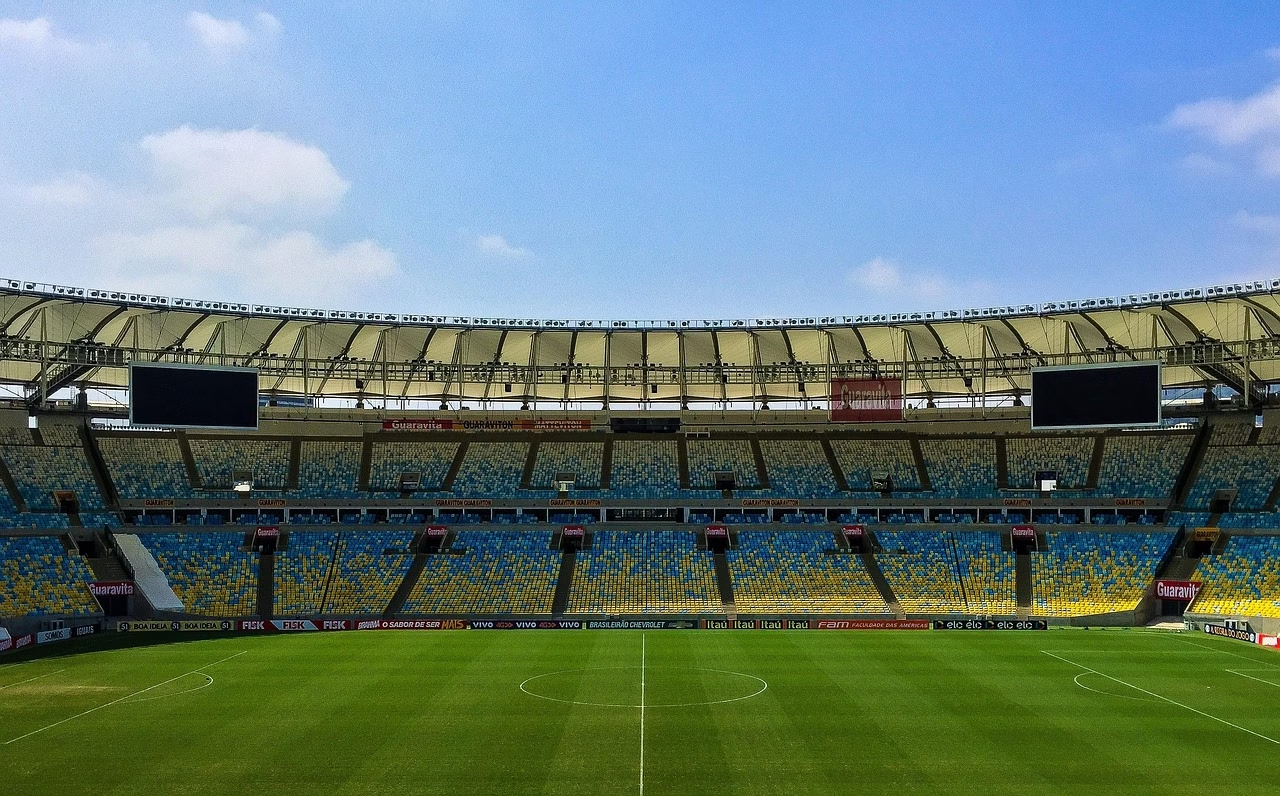
Stadium workers at SoFi Stadium in Inglewood, California, have reached a tentative labor agreement, effectively averting a strike just days before the U.S. men’s national soccer team is scheduled to play its opening World Cup match at the venue. The deal, announced early Tuesday morning by the union representing thousands of hospitality staff, concludes weeks of tense negotiations over wages, healthcare benefits, and job security for those tasked with managing the influx of global visitors expected for the tournament.
Context of the Labor Dispute
The negotiations centered on the economic pressures faced by service workers in the Southern California hospitality sector, where the cost of living has outpaced wage growth for several years. Union representatives argued that the massive scale of the upcoming World Cup placed an undue burden on staff, who are expected to handle unprecedented crowds and operational demands. Prior to this agreement, workers had voted overwhelmingly to authorize a strike if management failed to meet their demands for a living wage and improved safety protocols.
Details of the Agreement
While the specific terms of the contract remain under wraps until a formal ratification vote takes place later this week, union leaders signaled that the proposal addresses core grievances. The tentative deal includes significant wage increases phased over the next three years and expanded access to health insurance coverage for part-time employees. Management representatives noted that the agreement reflects a commitment to ensuring a seamless experience for fans while recognizing the essential contributions of the stadium workforce.
Expert Perspectives and Economic Data
Labor economists suggest that this agreement is part of a broader trend in the sports and entertainment industry, where service workers are increasingly leveraging major events to advocate for better conditions. According to the Bureau of Labor Statistics, the leisure and hospitality sector has seen a 15% increase in unionization activity since 2022. Dr. Elena Rodriguez, a labor relations expert, noted that the timing of the strike threat was a strategic calculation, as stadiums cannot afford operational disruptions during high-visibility international events.
Industry Implications
For the broader sports industry, the resolution of this conflict serves as a blueprint for how venues might handle labor relations during major global tournaments. Industry analysts suggest that venues across North America will likely face similar pressures as the 2026 World Cup approaches, forcing management to prioritize proactive labor negotiations. Failure to secure these agreements early could lead to operational bottlenecks, reduced service quality, and potential reputational damage for host cities on a global stage.
Future Outlook
As the U.S. prepares to host more international sporting events, the focus shifts toward how these labor models will sustain long-term growth. Observers are now watching to see how other venues in the region respond to the precedent set by this deal, particularly concerning staffing levels and benefit parity. The coming months will reveal if this agreement successfully stabilizes the workforce or if underlying tensions persist as the tournament reaches its peak intensity.

















Leave a Reply