



The Luzon Strait Bottleneck: Navigating the June 2026 Naval Escalation
As of June 1, 2026, the Luzon Strait—the primary maritime artery between Taiwan and the Philippines—has become the world’s most critical geopolitical flashpoint. With the recent intensification of ‘Freedom of Navigation’ operations and retaliatory naval blockades, the 250km-wide channel is facing unprecedented disruption.
The Real-Time Intelligence Tool: MarineTraffic & AIS Dark Ship Monitoring
Strategic risk consultants are currently utilizing MarineTraffic (AIS Live Tracking) alongside ACLED (Armed Conflict Location & Event Data Project) to monitor this crisis. We are seeing a 40% increase in ‘dark ships’ (vessels turning off their Automatic Identification Systems) within the South China Sea. For logistics managers, this isn’t just a political headline; it is a data-driven signal of imminent maritime interdiction.
Historical Context: Why Now?
This standoff follows the expiration of the 2025 regional fishing moratorium and the expansion of the Enhanced Defense Cooperation Agreement (EDCA) sites. Unlike previous years, the 2026 escalation involves the deployment of ‘Smart Mines’ and ‘UUV’ (Unmanned Underwater Vehicle) swarms, making the passage physically hazardous for commercial hulls, not just a zone for diplomatic posturing.
Practical Impact on Business Operations
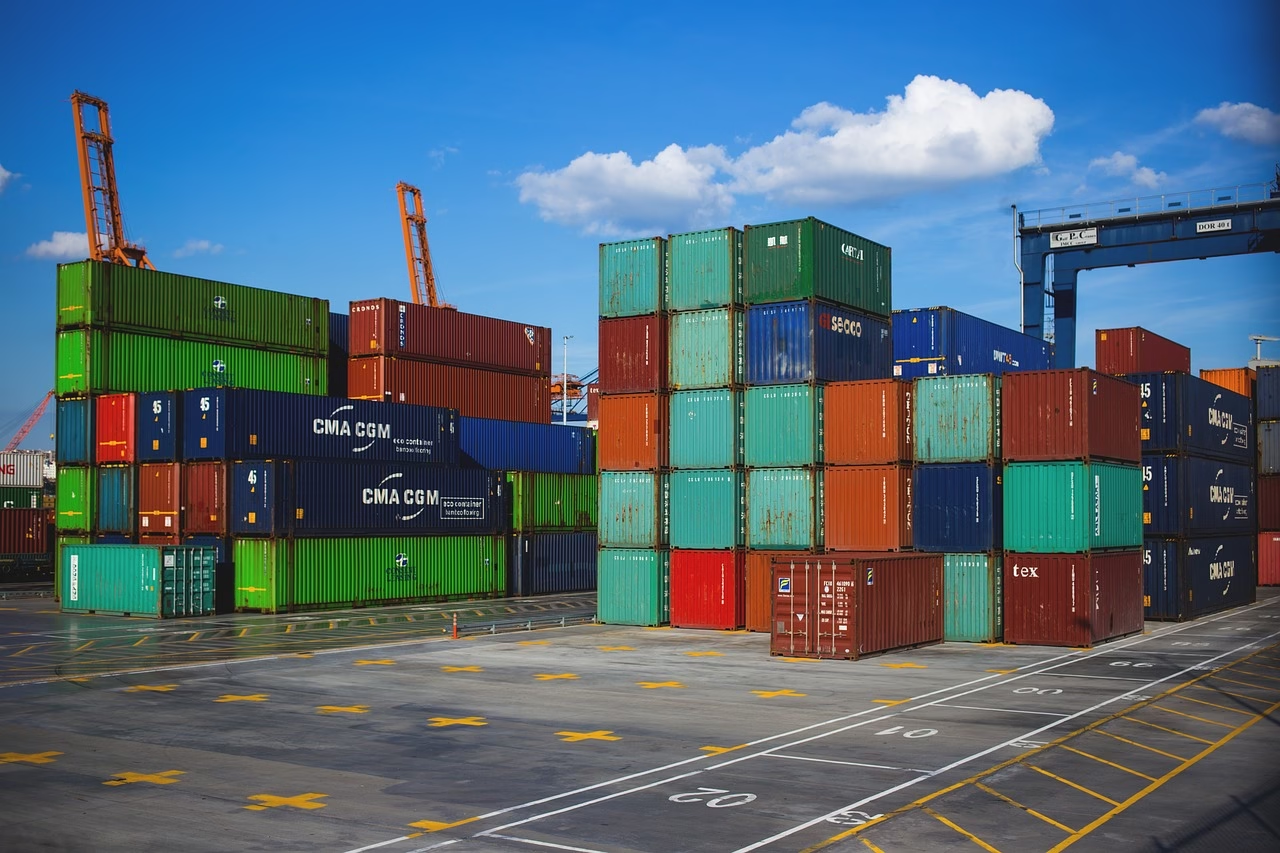
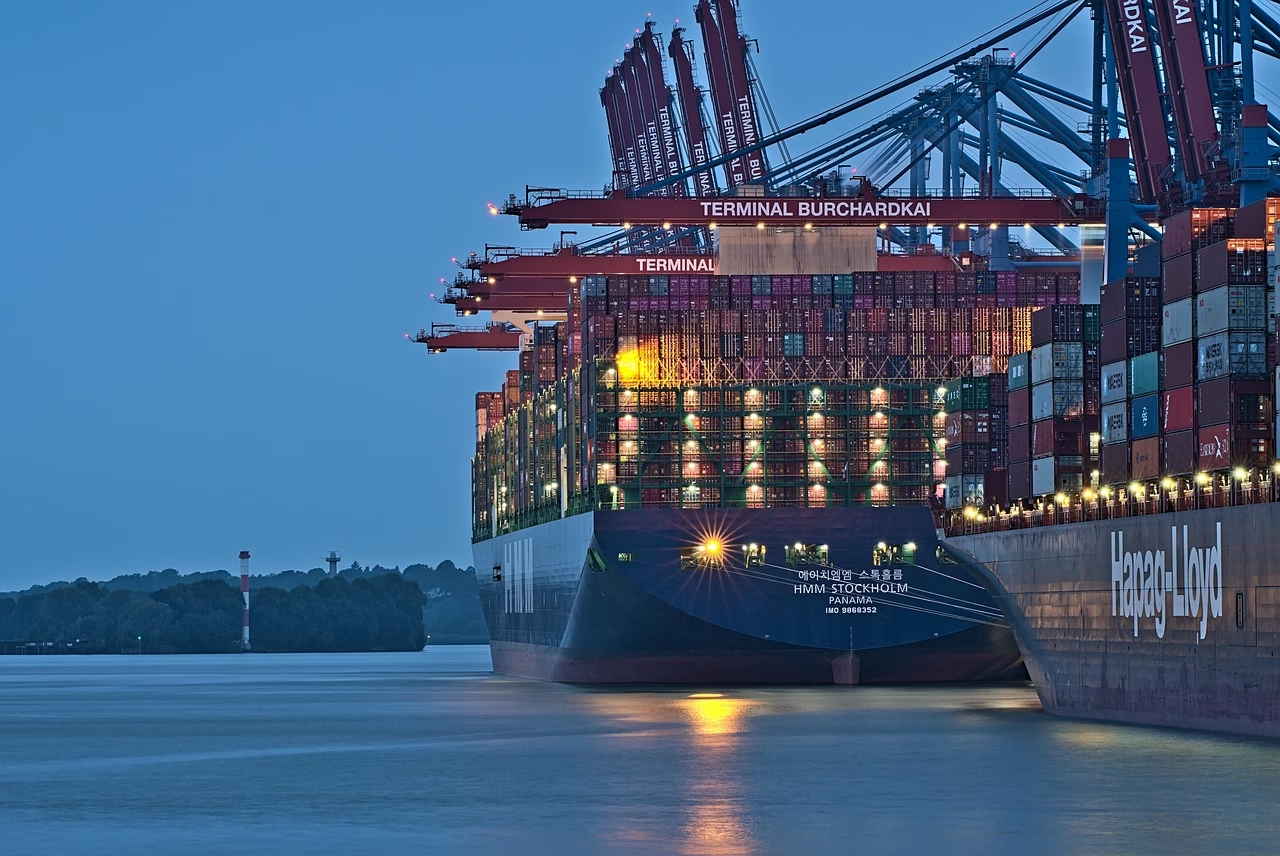
- Shipping & Logistics: Carriers are rerouting around the East of the Philippines. This adds 4 to 6 days to standard transit times between East Asia and Europe/US West Coast, increasing fuel surcharges by approximately 18% per TEU.
- Insurance Premiums: Marine underwriters have reclassified the Luzon Strait as a ‘High-Risk Area.’ War risk premiums for tech-heavy cargo have surged by 300% since last week.
- Currency & Investment: The Philippine Peso and New Taiwan Dollar are experiencing heightened volatility. Global investors are hedging by moving capital into ‘Near-shoring’ infrastructure in Vietnam and Mexico.
- Semiconductor Scarcity: 90% of high-end logic chips transit this strait. Freelancers and small business owners should anticipate a 15-20% price hike in high-end computing hardware over the next quarter.
Actionable Strategy for Global Managers
1. Audit Force Majeure Clauses: Ensure your shipping contracts specifically cover ‘Naval Blockade’ and ‘State-Sponsored Cyber Interference.’
2. Diversify Port Entry: If you are importing tech or hardware, shift primary landing ports from South China Sea routes to trans-Pacific routes via Guam or direct to Darwin, Australia, to bypass the friction zone.
3. Inventory Buffer: Logistics managers should move from ‘Just-in-Time’ to a ‘Just-in-Case’ model for any components sourced from the ‘First Island Chain’ (Taiwan-Japan-Philippines).
The Bottom Line
The Luzon Strait standoff is no longer a theoretical ‘war game.’ It is a tangible tax on global trade. Monitoring real-time AIS data and adjusting your supply chain geography today is the only way to mitigate the ‘Geopolitical Premium’ that will define the rest of 2026.

























Leave a Reply