



The 2026 Shipping Reality: Why the ‘Temporary’ Bypass is Now Permanent
As we cross into mid-2026, the geopolitical landscape of the Middle East has cemented a new reality for global trade: the Suez Canal is no longer the default artery for East-West commerce. Continued regional volatility has forced a structural shift in maritime logistics, moving from ‘just-in-time’ delivery to ‘just-in-case’ resilience.
The Strategic Shift: From Suez to the Cape
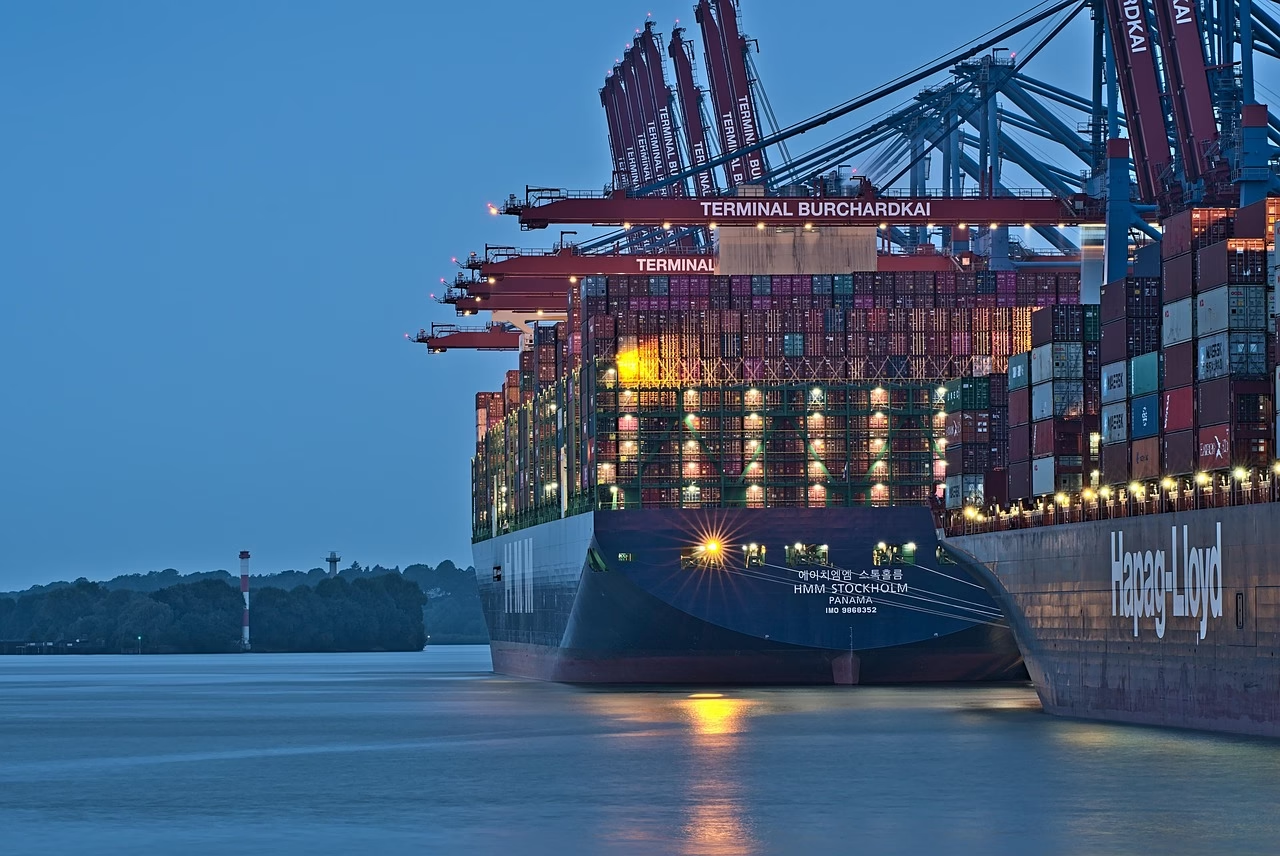
For business owners and logistics managers, the 10-to-14-day delay associated with routing around the Cape of Good Hope is no longer a localized crisis—it is a baseline operational cost. This shift has led to the rapid infrastructure development of secondary ports in Namibia, South Africa, and Mauritius, which are now critical refueling and maintenance hubs for the global fleet.
Real-Time Monitoring: Your Intelligence Toolkit
To navigate this volatility, reliance on traditional carrier schedules is insufficient. Strategic risk consultants now utilize two primary tools to stay ahead of the curve:
- ACLED (Armed Conflict Location & Event Data Project): Use this to track the frequency and location of drone and missile activities in the Bab el-Mandeb strait. A 20% uptick in recorded ‘events’ usually precedes a spike in insurance premiums by 48 hours.
- Xeneta Real-time Ocean Freight Benchmarking: This platform allows you to see the real-time spread between contract rates and spot rates. When spot rates in the Mediterranean climb 15% above the 30-day average, it’s a signal to activate air-freight contingencies for high-value components.
Impact on Global Stakeholders
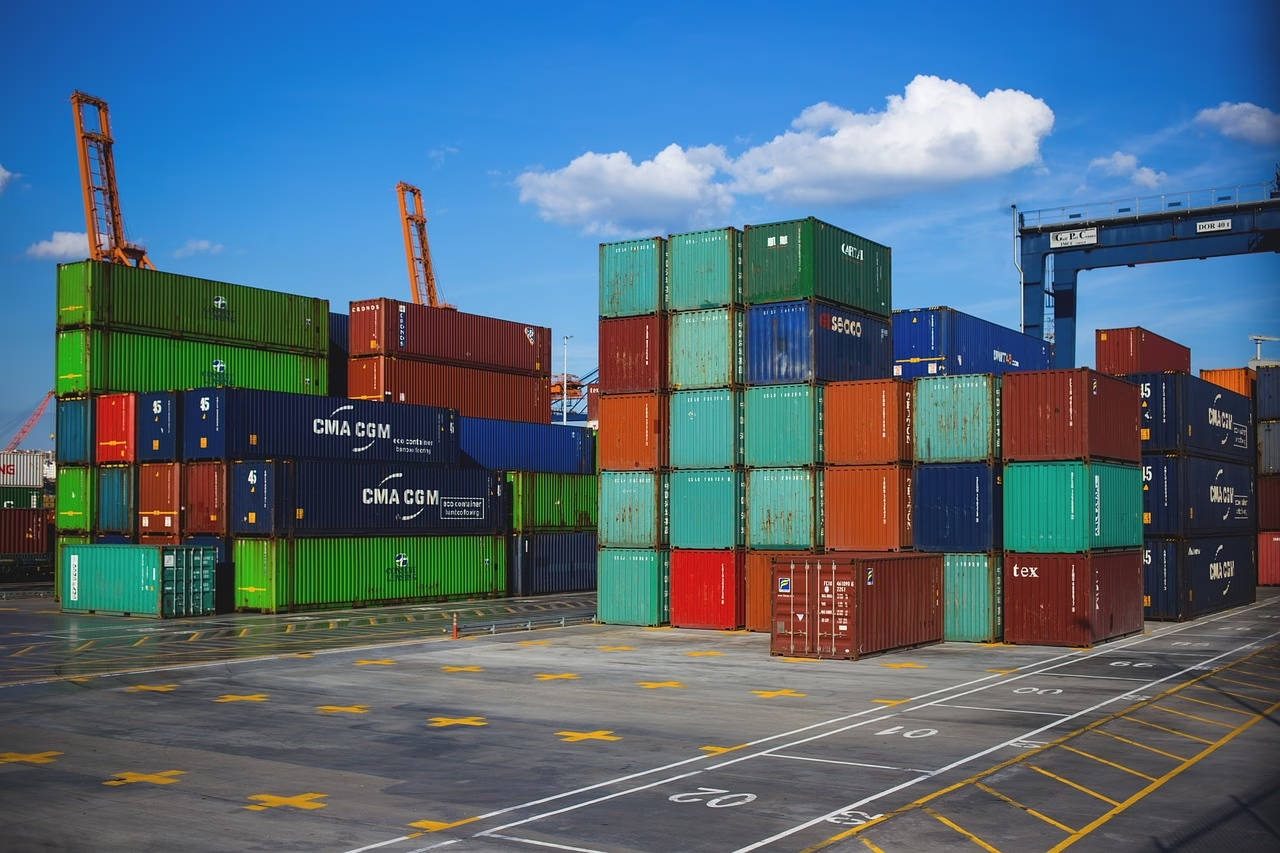
- Logistics Managers: You must account for ’empty container imbalance.’ Because ships are spending more time at sea, containers aren’t returning to Asian manufacturing hubs fast enough, leading to localized equipment shortages in Ningbo and Vietnam.
- International Freelancers & Remote Workers: This isn’t just about ships; it’s about subsea cables. The concentration of naval activity in these corridors has increased the risk of accidental or intentional cable cuts, leading to significant latency issues for digital services routed through MENA data centers.
- Global Investors: Watch the ‘bunker fuel’ stocks in South African markets. The diverted traffic has created a localized boom in the African maritime service sector, a niche but high-growth area for 2026.
Actionable Strategy for Q3 2026
- Buffer Your Lead Times: Hard-code a 15-day delay into your supply chain software for all transcontinental shipments. Stop treating the Suez route as a viable option for critical inventory.
- Negotiate ‘Floating’ Surcharges: If you are a business owner, move toward short-term (3-month) freight contracts. Locking in long-term rates during this level of volatility often results in paying ‘war risk’ premiums even when tensions temporarily dip.
- Diversify Port of Entry: For European distribution, shift focus from Mediterranean ports (like Piraeus) to Atlantic-facing ports (like Rotterdam or Sines) to avoid the bottleneck of the Gibraltar Strait as vessels cluster there after the long trek around Africa.
The Bottom Line: Geopolitical risk in 2026 is no longer about predicting when the conflict will end; it is about mastering the logistical workarounds that have become the new foundation of global trade.
























Leave a Reply