


Rising Costs at the Source
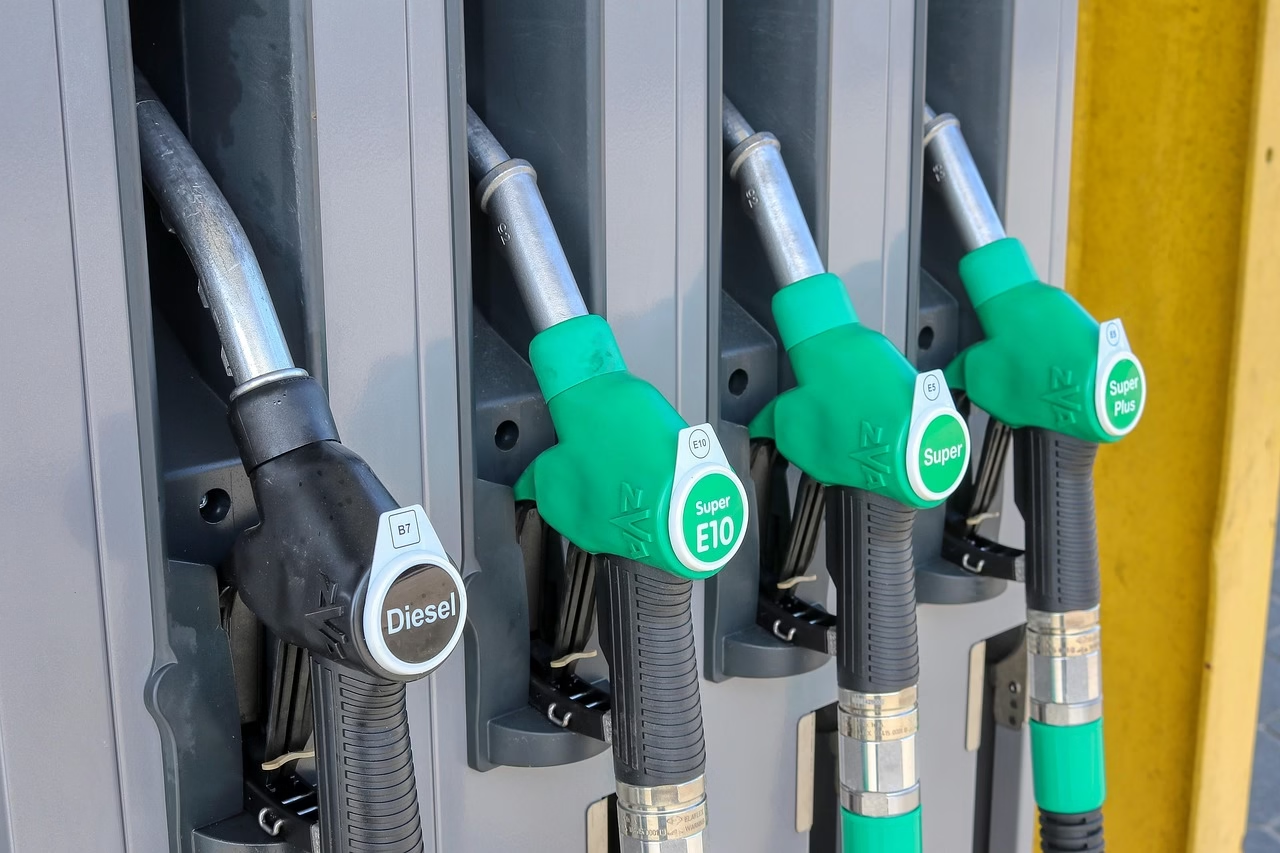
Wholesale inflation reached its highest level since late 2022 this month, driven primarily by a sharp escalation in fuel prices linked to ongoing geopolitical instability involving Iran. As energy costs ripple through global supply chains, businesses across the United States are facing mounting pressure to either absorb rising overheads or pass increased costs onto the consumer.
The Anatomy of Recent Price Hikes
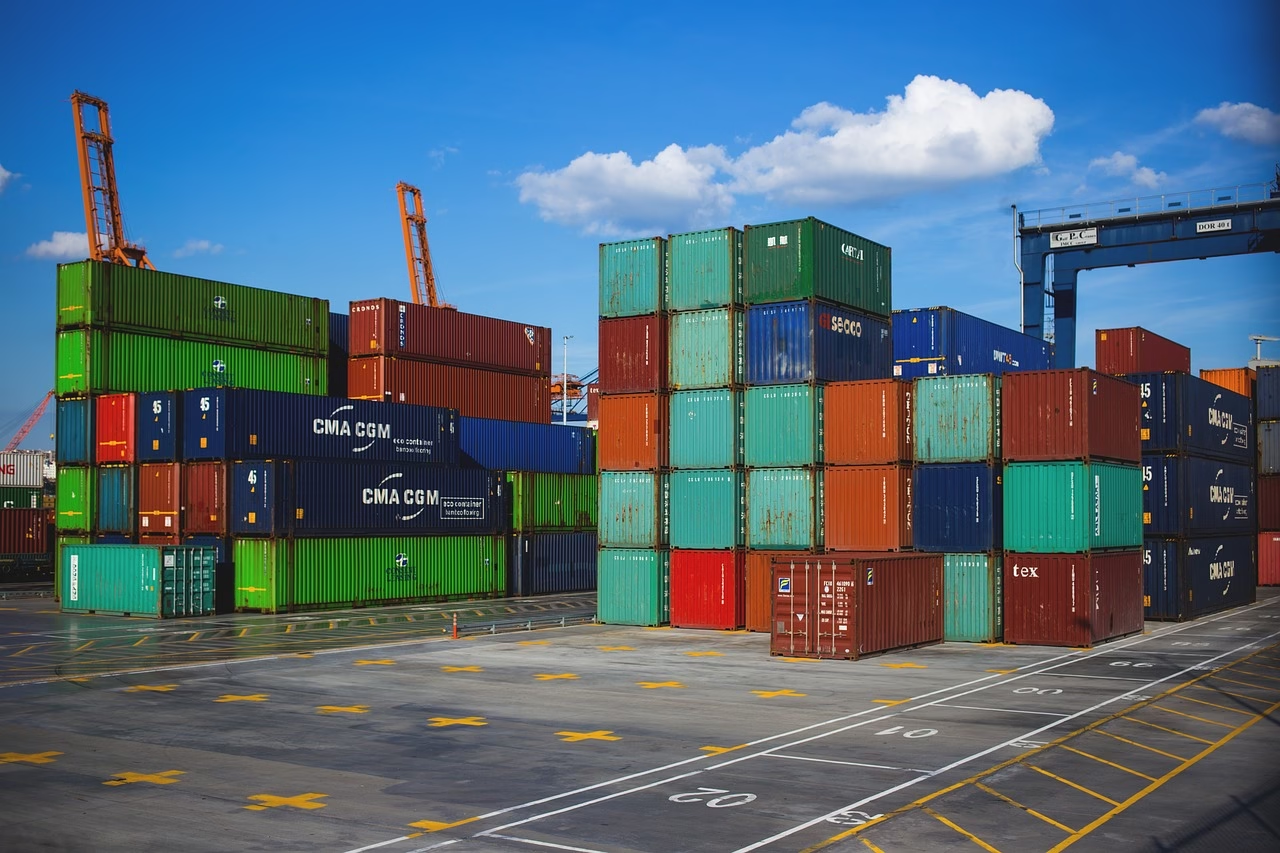
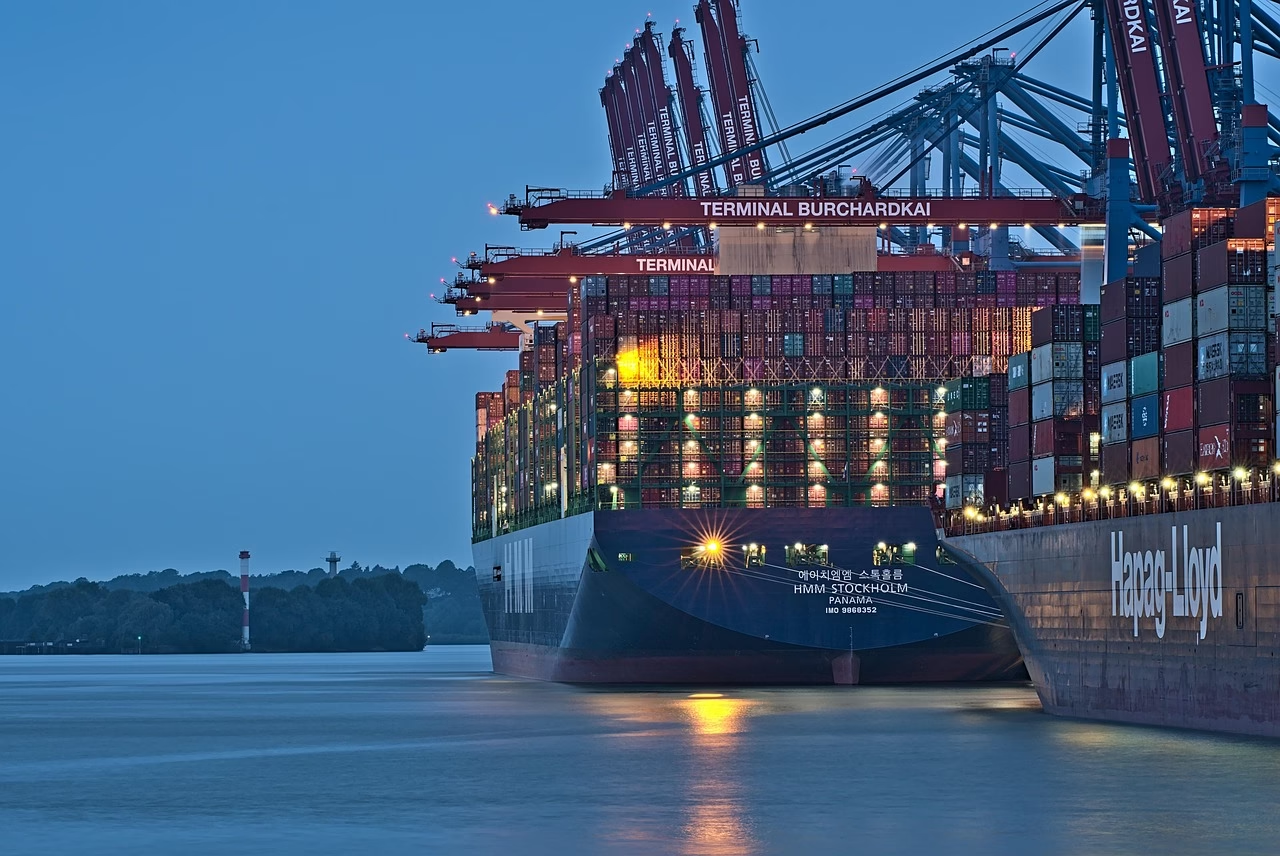
The Producer Price Index (PPI), a key barometer for inflation at the wholesale level, has consistently trended upward as energy commodities become increasingly volatile. The conflict in the Middle East has disrupted established shipping routes and energy production timelines, creating a bottleneck that affects everything from manufacturing to logistics.
Historically, wholesale inflation acts as a leading indicator for the Consumer Price Index (CPI). When raw material and transportation costs rise, these expenses are typically integrated into the final retail price of goods within a three-to-six-month window.
Economic Ripples and Industrial Impact
Manufacturing sectors are currently reporting the most significant strain, as energy-intensive processes become prohibitively expensive. Small and medium-sized enterprises (SMEs) are particularly vulnerable, as they often lack the long-term hedging contracts that allow larger corporations to buffer against sudden energy price spikes.
According to recent data from the Bureau of Labor Statistics, fuel and transportation categories have seen double-digit percentage growth compared to the same period last year. This surge is not limited to oil; it is inflating the cost of electricity and natural gas, which are essential for industrial operations and facility climate control.
Expert Perspectives
Economists are closely monitoring whether this inflationary pressure is transitory or indicative of a long-term shift in the cost of doing business. “The current volatility in energy markets is creating an environment of uncertainty that discourages capital investment,” noted Sarah Jenkins, a senior market analyst at Global Economic Research. “When businesses cannot predict their operational costs, they tend to freeze hiring and delay expansion projects.”
Financial institutions have highlighted that the current situation mirrors the supply-side shocks observed in late 2022. However, the current geopolitical complexity adds a layer of unpredictability that was not present in previous cycles.
Looking Ahead
Market observers will be paying close attention to the upcoming quarterly earnings calls, where corporate executives are expected to provide guidance on how they plan to manage these margin pressures. If businesses continue to report that they can no longer absorb these costs, consumers should expect to see significant price increases at the retail level by the end of the current fiscal year.
Investors and policy makers remain focused on the potential for Federal Reserve intervention. Future interest rate decisions will likely depend on whether this wholesale inflation remains contained within the energy sector or begins to spread into core services and labor costs, signaling a more systemic economic challenge.
























Leave a Reply