


Escalation in the Strait of Hormuz
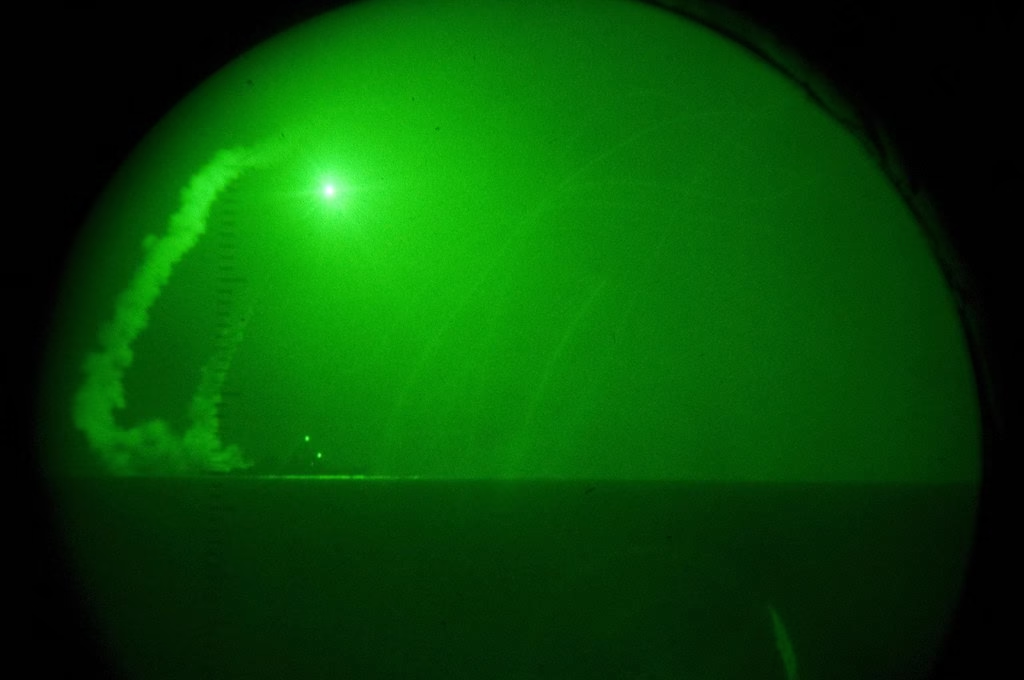
The United States military initiated a series of retaliatory strikes against targets within Iran late Thursday, marking a significant escalation in regional tensions following a string of aggressive actions against commercial shipping vessels in the Strait of Hormuz. These precision strikes, confirmed by defense officials, were launched in direct response to persistent harassment and attacks on international maritime commerce that have threatened global energy supplies and supply chain stability.
The Context of Maritime Tensions
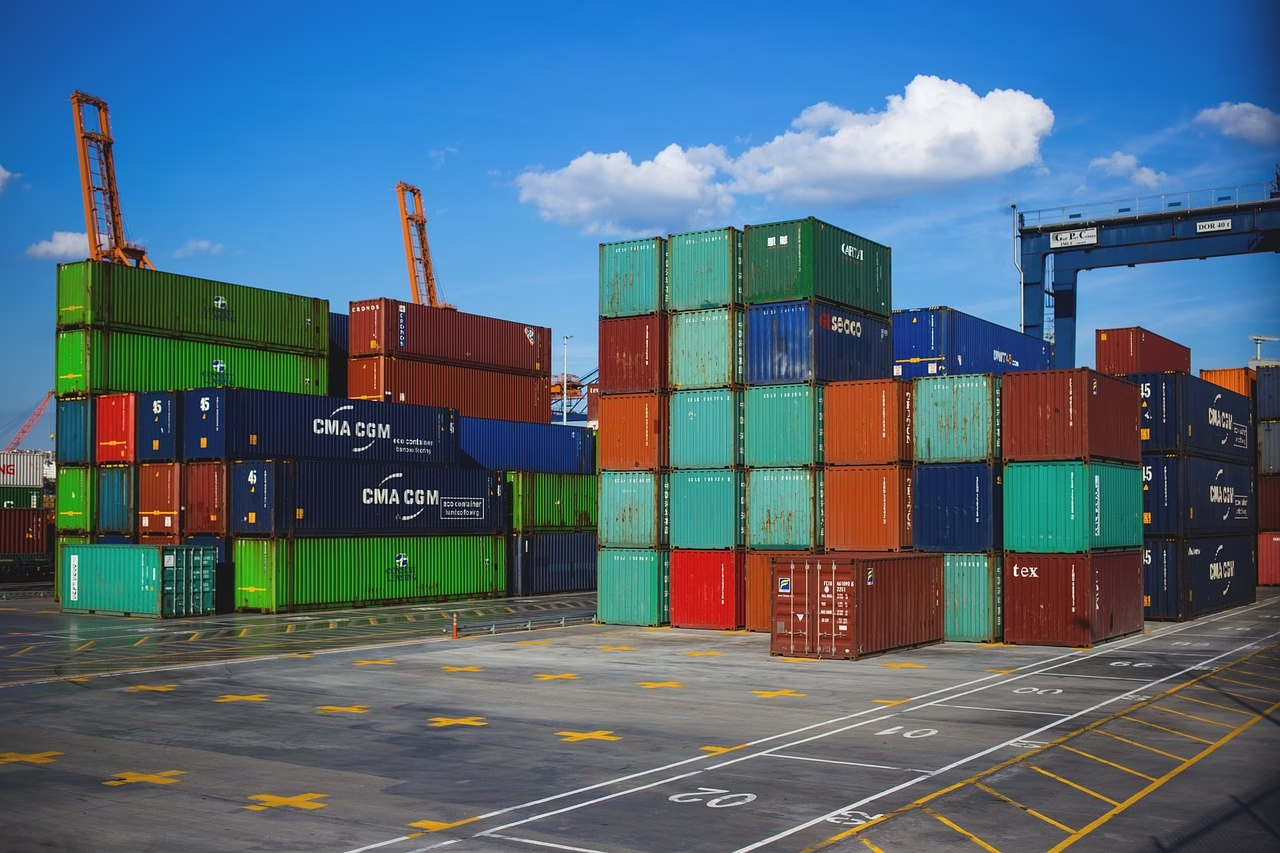
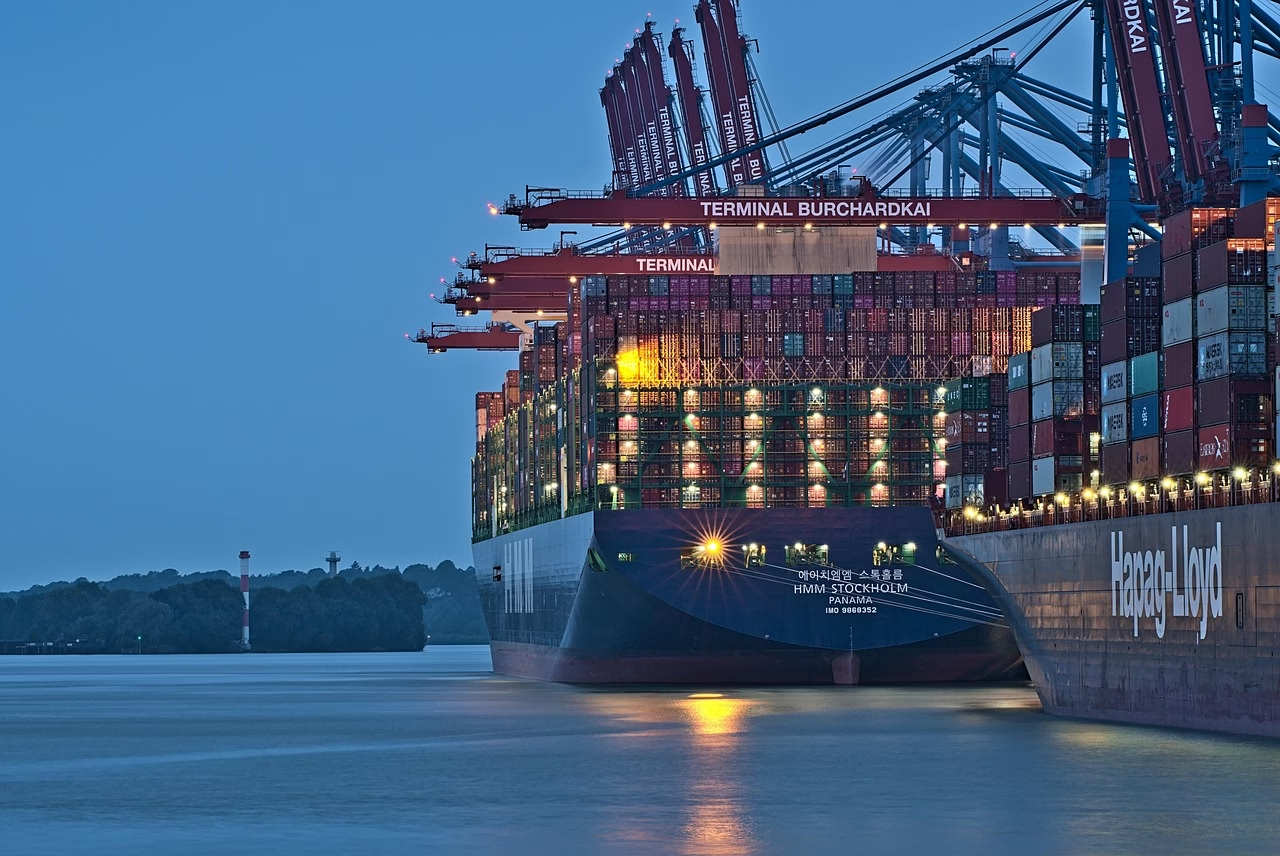
The Strait of Hormuz serves as one of the world’s most vital maritime chokepoints, through which approximately 20% of the world’s total oil consumption passes. Over the past several months, tensions have intensified as Iranian-backed forces have increasingly targeted commercial vessels, leading to disrupted transit and heightened security concerns among global shipping conglomerates.
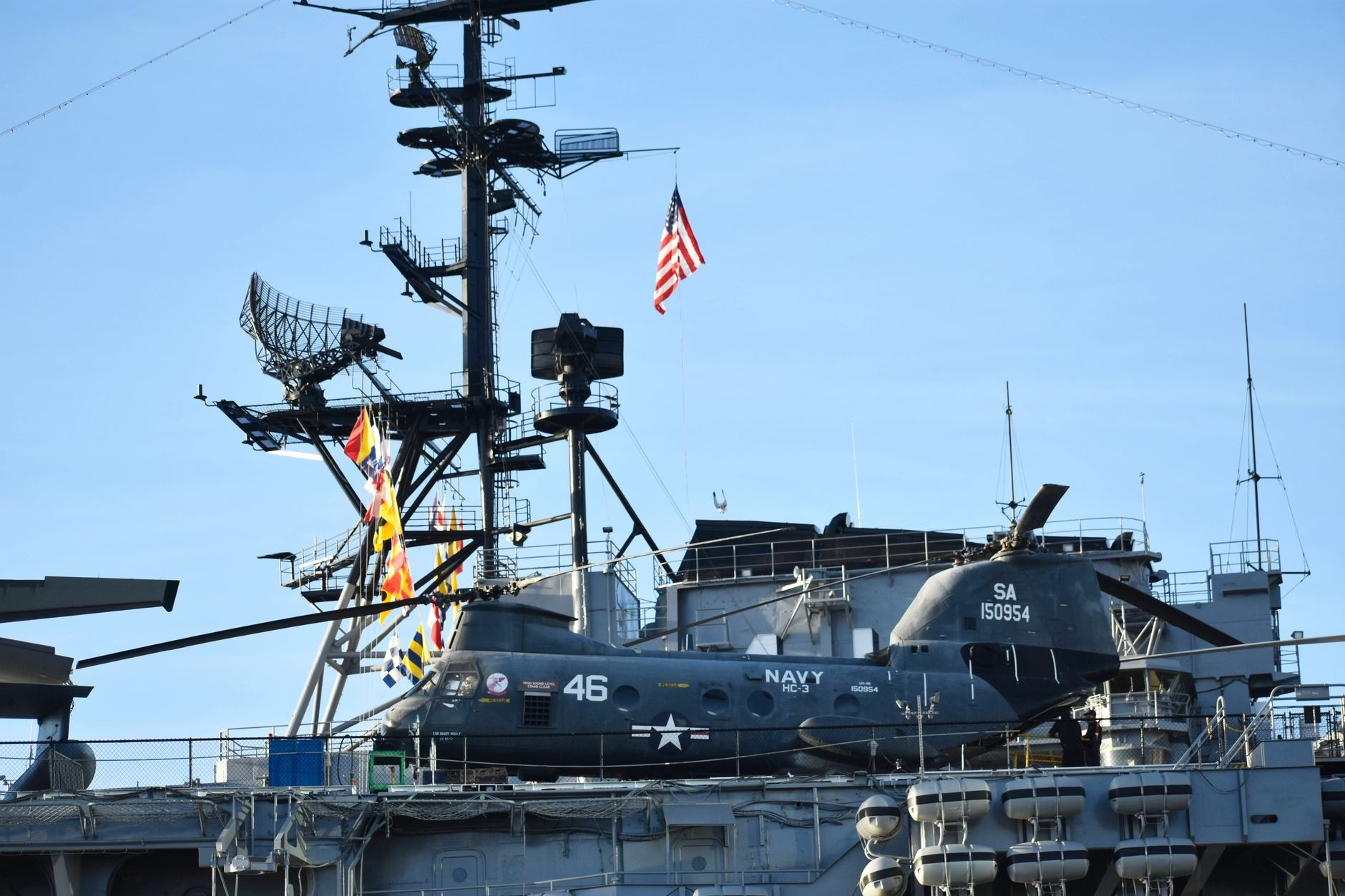
International observers have documented numerous instances of drone swarms and fast-attack craft harassment in the region. The U.S. Navy has previously deployed additional naval assets to the area, including the USS Dwight D. Eisenhower carrier strike group, to deter further interference and maintain the freedom of navigation.
Operational Scope and Tactical Response
Recent footage circulating on social media shows plumes of thick smoke and sustained fire rising from identified locations, consistent with coordinated military strikes. While the Pentagon has not yet released a full after-action report, sources indicate the operation targeted radar installations and command-and-control centers utilized by forces responsible for the maritime disruptions.
Military analysts suggest that the strikes were designed to degrade the tactical capabilities of those facilitating the attacks rather than ignite a full-scale regional conflict. By targeting the specific infrastructure used to coordinate maritime harassment, the U.S. aims to restore a level of deterrence without crossing the threshold into an overt state of war.
Expert Perspectives and Strategic Data
Defense experts note that the decision to strike inside Iran is a calculated risk that reflects the severity of the situation. “The Biden administration is signaling that the disruption of international commerce is a red line that will be defended with kinetic force,” said a senior security analyst at a Washington-based policy institute.
Data from the Lloyd’s Joint War Committee reflects this volatility, as the region remains classified as a high-risk area for insurance purposes. Shipping companies have reported increased premiums, which effectively function as a tax on global trade, further pressuring the administration to act decisively.
Future Implications and Regional Stability
The immediate consequence of these strikes is a heightened state of alert across the Middle East. Global markets are bracing for potential volatility in energy prices as traders assess the risk of a wider regional war involving proxies in Lebanon, Yemen, and Iraq.
Moving forward, the primary metric for success will be whether these strikes succeed in curbing maritime interference or if they trigger a cycle of reciprocal violence. Observers are now watching for Tehran’s official response and whether the U.S. will maintain a sustained presence in the Strait to enforce maritime security protocols. The coming days will likely determine if this operation effectively re-establishes order or precipitates a broader confrontation between the two nations.























Leave a Reply