


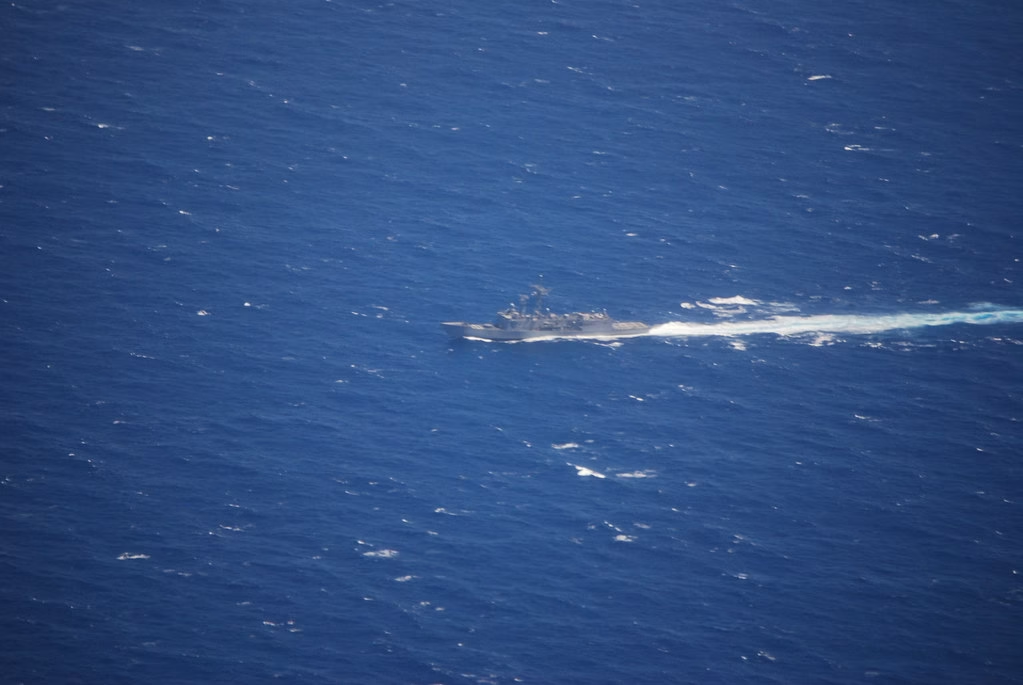
A New Diplomatic Chapter in the Middle East
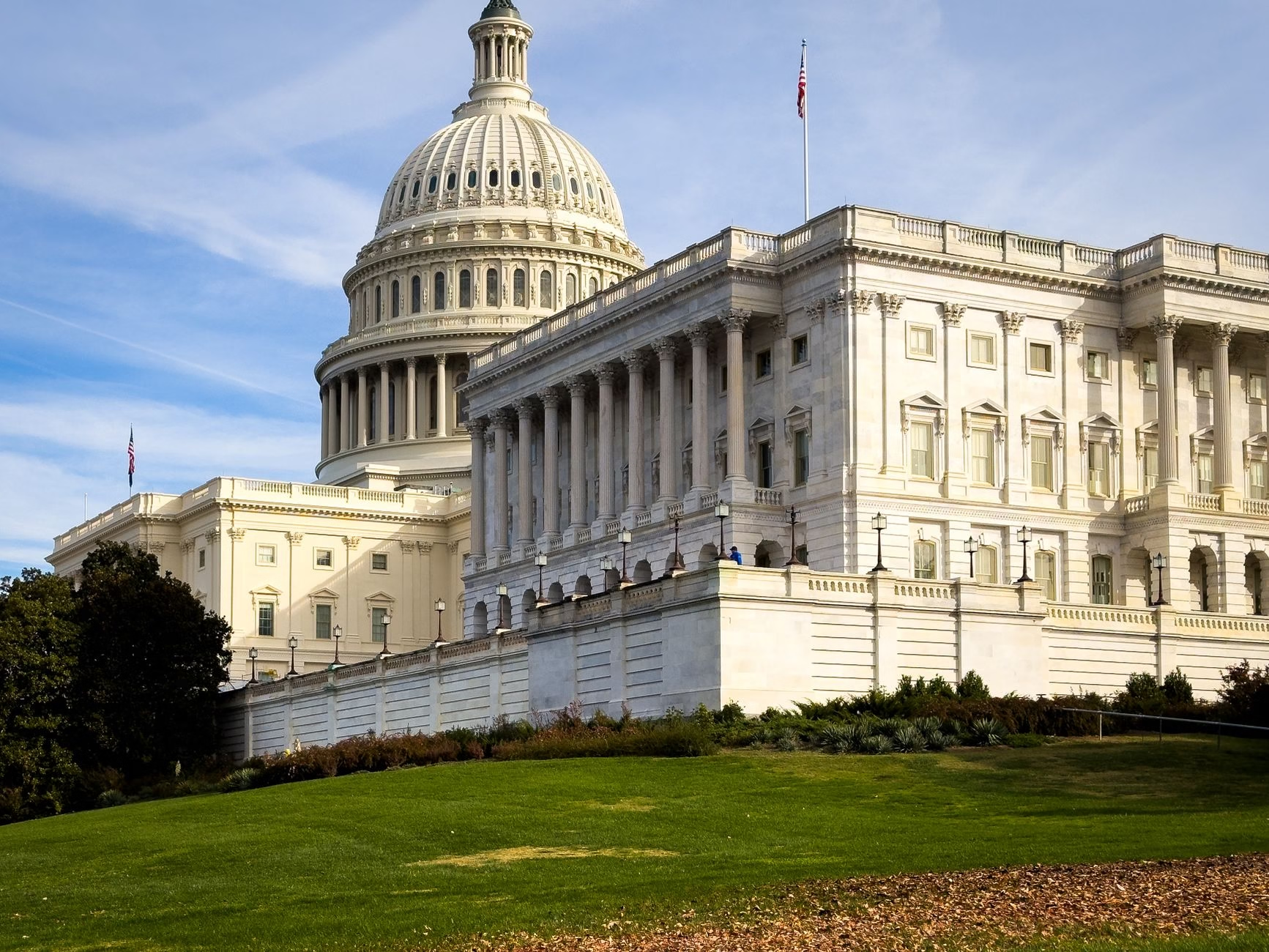
The United States and Iran officially signed a landmark memorandum of understanding this week, marking a definitive shift toward de-escalation in the Middle East. The agreement, finalized in neutral territory following months of back-channel negotiations, aims to establish a formal framework for regional stability and the cessation of hostilities that have long disrupted maritime and economic security.
This diplomatic breakthrough arrives after decades of strategic friction, characterized by proxy conflicts and severe economic sanctions. The memorandum focuses on securing the Strait of Hormuz, a critical maritime choke point for global energy supplies, and implementing transparency measures to prevent accidental military escalations.
The Context of Decades-Long Stagnation
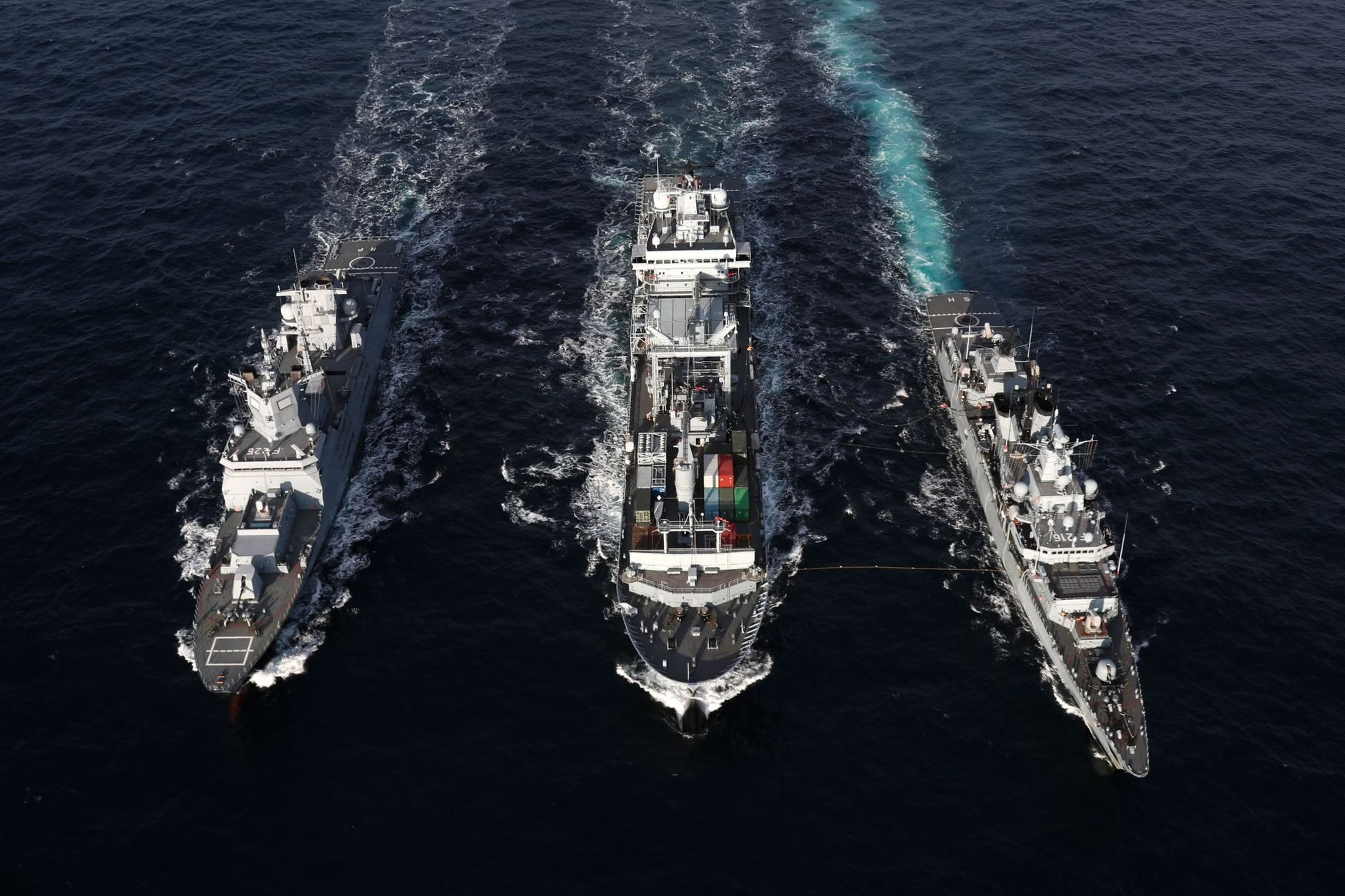
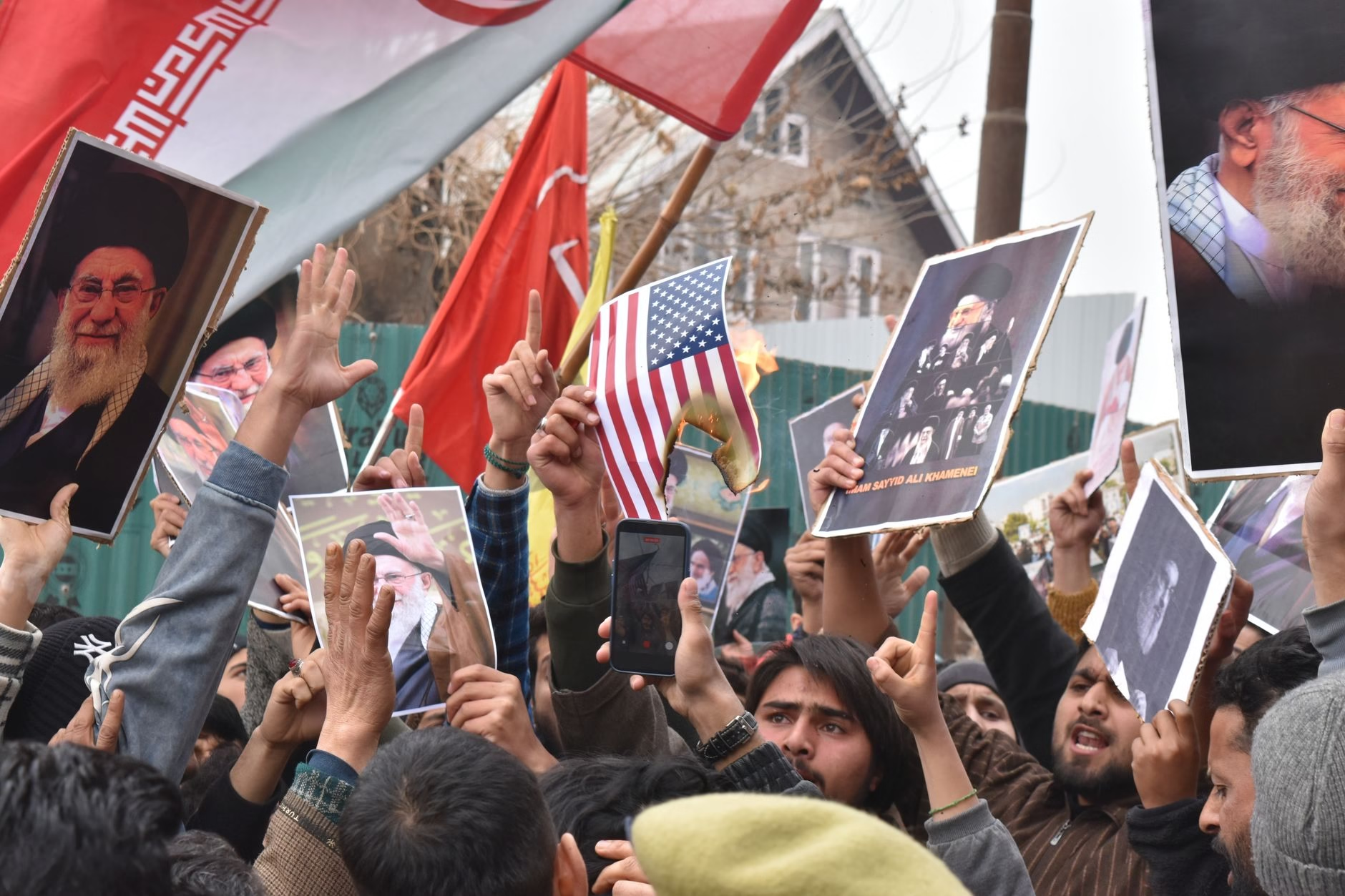
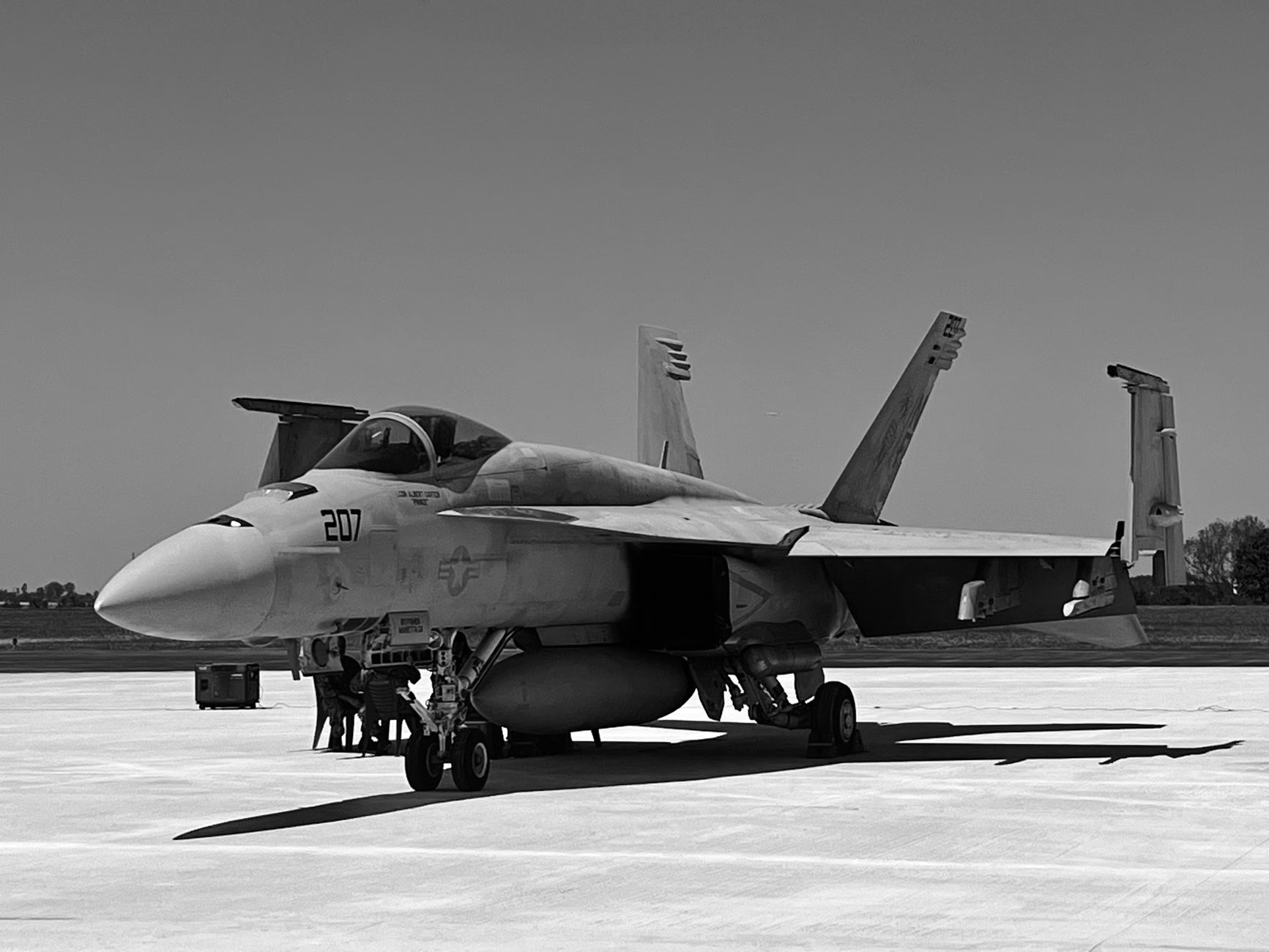
The relationship between Washington and Tehran has been defined by a lack of formal diplomatic channels since the 1979 revolution. Recent years saw this tension peak, with naval confrontations in the Persian Gulf and a series of tit-for-tat sanctions that crippled the Iranian economy while complicating U.S. foreign policy objectives in the region.
Economic analysts have long cited the Strait of Hormuz as the primary point of failure for regional stability. Approximately 20% of the world’s petroleum consumption passes through this narrow waterway, making any disruption a matter of global financial concern. The new agreement seeks to transition this volatile corridor into a zone of protected international transit.
Navigating the Path to Normalization
The memorandum outlines a phased approach to de-escalation, starting with the establishment of a direct communication line between military commanders. This ‘deconfliction hotline’ is designed to prevent miscalculations that could lead to open conflict, a common occurrence in past maritime encounters.
On the streets of Tehran, the news has been met with cautious optimism. Small-scale economic relief is expected as the agreement facilitates the potential thawing of frozen assets and a gradual easing of trade restrictions. International observers note that while the agreement is not a comprehensive peace treaty, it serves as a functional ‘stand-down’ order for both nations.
Expert Analysis and Regional Impact
Dr. Elena Rossi, a senior fellow at the Center for Strategic and International Studies, suggests the move is a pragmatic necessity for both administrations. ‘Both parties are currently prioritizing domestic economic stability over continued regional projection,’ Rossi stated. Data from recent maritime security reports indicates a 15% decrease in reported naval incidents in the Persian Gulf over the last quarter, signaling that the de-escalation process began well before the ink dried on the final document.
However, the agreement remains fragile. Critics point to the lack of consensus on regional proxy influences as a potential hurdle. Despite these concerns, the immediate focus remains on the implementation of the maritime safety protocols, which are set to be monitored by a neutral third-party coalition.
Looking Toward Future Stability
The success of this memorandum will be measured by the sustained absence of naval skirmishes and the gradual reintegration of Iranian trade into global markets. Watchers should monitor the upcoming ministerial meetings scheduled for next month, which will address the technical details of the economic relief packages.
Should these initial steps prove successful, the diplomatic framework could serve as a blueprint for broader regional security architectures. The primary indicator of progress will be the stability of oil prices and the formal reopening of diplomatic trade offices, which would signal a permanent shift in the geopolitical landscape of the Middle East.


















Leave a Reply