


The Impact of the Recent Offensive
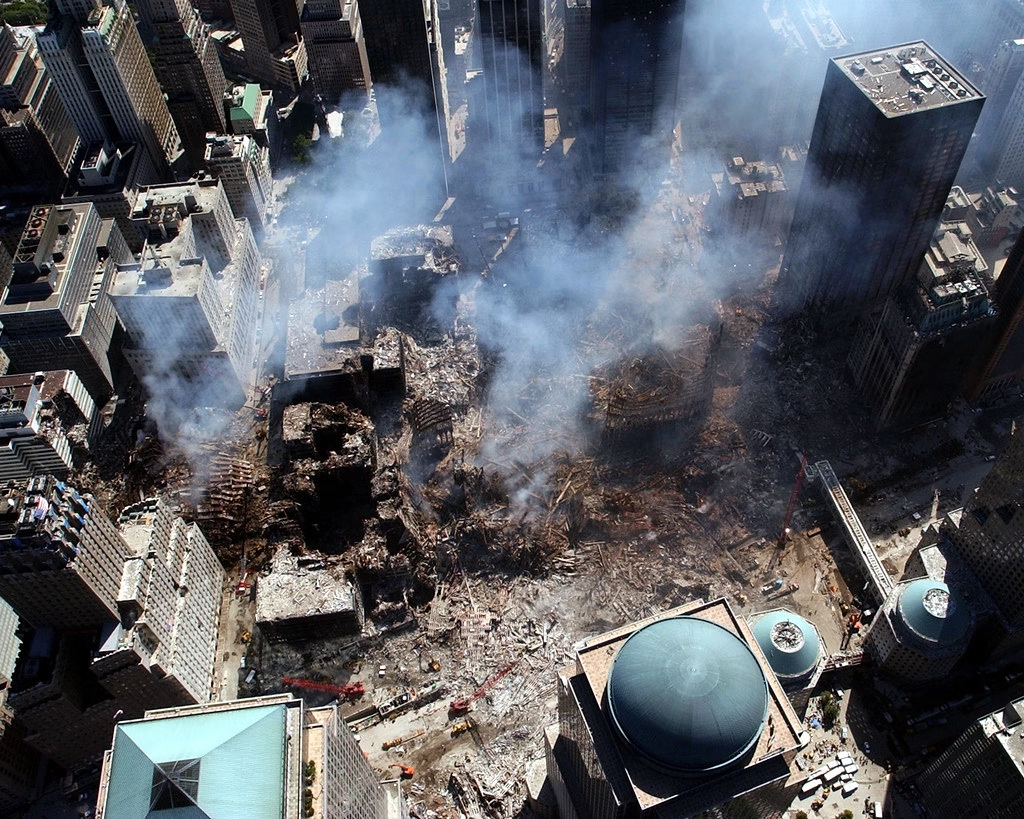
Russian missile strikes across Ukraine killed at least 11 people on Sunday, marking a significant escalation in hostilities as regional tensions intensify. The coordinated attacks caused widespread destruction in several regions, including damage to a historic religious landmark, according to local officials and emergency services.
The offensive coincided with a series of high-stakes diplomatic communications. Both Ukrainian President Volodymyr Zelenskyy and Russian President Vladimir Putin held separate telephone conversations with U.S. President Donald Trump over the weekend, underscoring the precarious state of international mediation efforts.
Background to the Escalation
The ongoing conflict, which began in February 2022, has seen fluctuating periods of high-intensity combat and diplomatic posturing. While international observers have sought pathways to de-escalation, military infrastructure and civilian areas remain frequent targets in the conflict zones.
The targeting of religious sites has historically drawn sharp condemnation from the international community. Such incidents often complicate humanitarian efforts and exacerbate the strain on local infrastructure already struggling to provide essential services to displaced populations.
Operational Details and Casualties
Emergency response teams continue to clear rubble in the affected regions, searching for survivors and documenting the full extent of the damage. Local authorities confirmed that the death toll rose throughout the day as rescue operations reached the hardest-hit areas.
Military analysts note that the use of long-range missiles suggests a strategic attempt to disrupt logistics and civilian morale simultaneously. The damage to heritage sites, while not always the primary military objective, serves as a grim indicator of the indiscriminate nature of the strikes reported by frontline observers.
Expert Perspectives
Security analysts monitoring the region suggest that these strikes may be intended to solidify territorial leverage ahead of potential diplomatic negotiations. According to recent reports from the Institute for the Study of War, the timing of such escalations often correlates with major political developments or international summits.
Human rights organizations have reiterated the need for accountability regarding strikes that impact non-combatant zones. Data from the United Nations indicates that civilian infrastructure damage has reached critical levels, impacting millions of residents who remain in or near conflict-heavy districts.
Implications for Future Stability
The convergence of lethal military action and high-level phone diplomacy creates an unpredictable environment for international stakeholders. Markets and diplomatic circles are closely watching for any shift in the tone of these conversations that might signal a move toward a ceasefire or a further hardening of positions.
Observers should monitor the potential for further retaliatory strikes in the coming days, as well as any official statements from the White House regarding the content of the weekend calls. The ability of both Kyiv and Moscow to balance battlefield objectives with international diplomatic pressure will likely dictate the trajectory of the conflict as the winter season approaches.
























Leave a Reply