



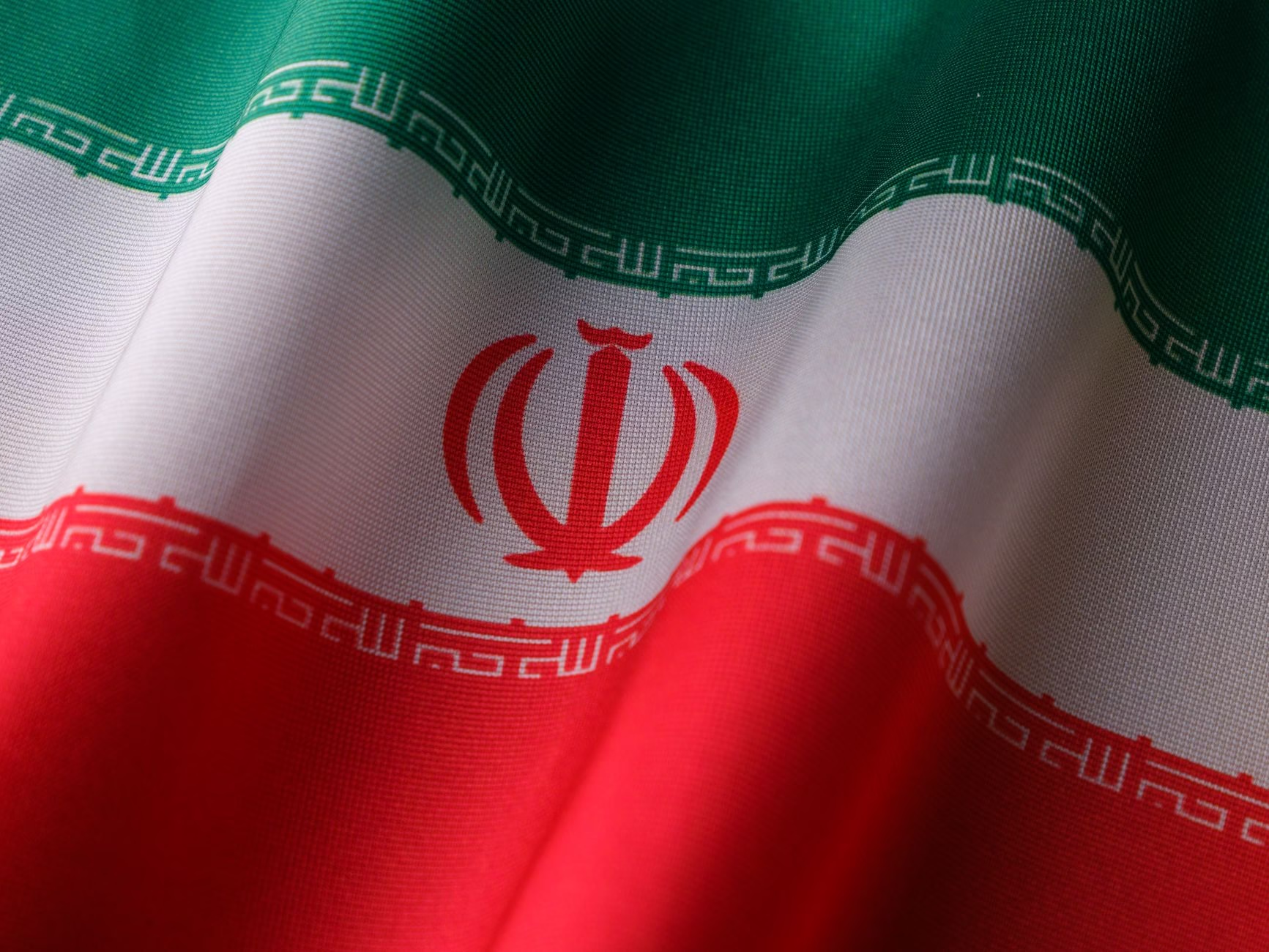
Iran declared a cessation of military operations against Israel on Sunday night, following a direct exchange of fire that has severely strained the regional status quo. Tehran officials stated that the maneuvers were a direct response to previous provocations, yet they issued a stern warning that any further Israeli strikes against Lebanon could ignite a broader, uncontrollable escalation across the Middle East.
The Fragility of the April Ceasefire
This latest round of hostilities marks the first significant engagement between the two nations since the establishment of a fragile ceasefire in April. That agreement, brokered by international mediators, had aimed to de-escalate tensions following a series of shadow conflicts and proxy skirmishes.
The sudden resumption of direct strikes has raised alarms among global leaders, who fear the collapse of the existing diplomatic framework. Analysts suggest that the region is currently operating on a knife-edge, where a single miscalculation by either side could dismantle months of delicate negotiations.
Tactical Shifts and Strategic Risks
The Sunday night exchange involved a coordinated series of strikes that tested the defensive capabilities of both nations. Military observers noted that Iran’s decision to announce an end to operations suggests a desire to maintain a controlled level of conflict rather than an all-out war.
However, the explicit warning regarding Lebanon introduces a new variable into the geopolitical equation. By linking the security of their regional allies to their own direct military response, Tehran has effectively expanded the theater of conflict, increasing the complexity for Israeli defense planners.
Expert Perspectives on Regional Stability
Defense analysts from the Institute for the Study of War indicate that the situation remains highly volatile. The primary concern among security experts is the potential for a ‘miscalculation cascade,’ where defensive actions are misinterpreted as offensive escalations.
Data from regional monitoring groups suggest that military readiness across the Levant is at an all-time high. The sudden shift from a period of relative calm to active engagement underscores the limitations of current diplomatic channels in curbing long-term strategic rivalries.
Implications for Global Markets and Security
For the international community, the primary concern is the potential for energy supply disruptions and the broader impact on global security architecture. If the conflict spreads to Lebanon, the risk of dragging in additional regional actors increases significantly, which could force major powers to intervene.
Industries reliant on stable supply chains in the Middle East are bracing for potential volatility in the coming weeks. Investors and policymakers are watching for signs of whether the current pause in Iranian operations will hold or if the rhetoric concerning Lebanon will manifest into further kinetic action.
Looking ahead, the international community will be closely monitoring the borders of Lebanon for any uptick in military activity. Whether this pause represents a genuine attempt to return to the status quo or a temporary tactical regrouping remains the central question for regional stability in the coming days.






















Leave a Reply