


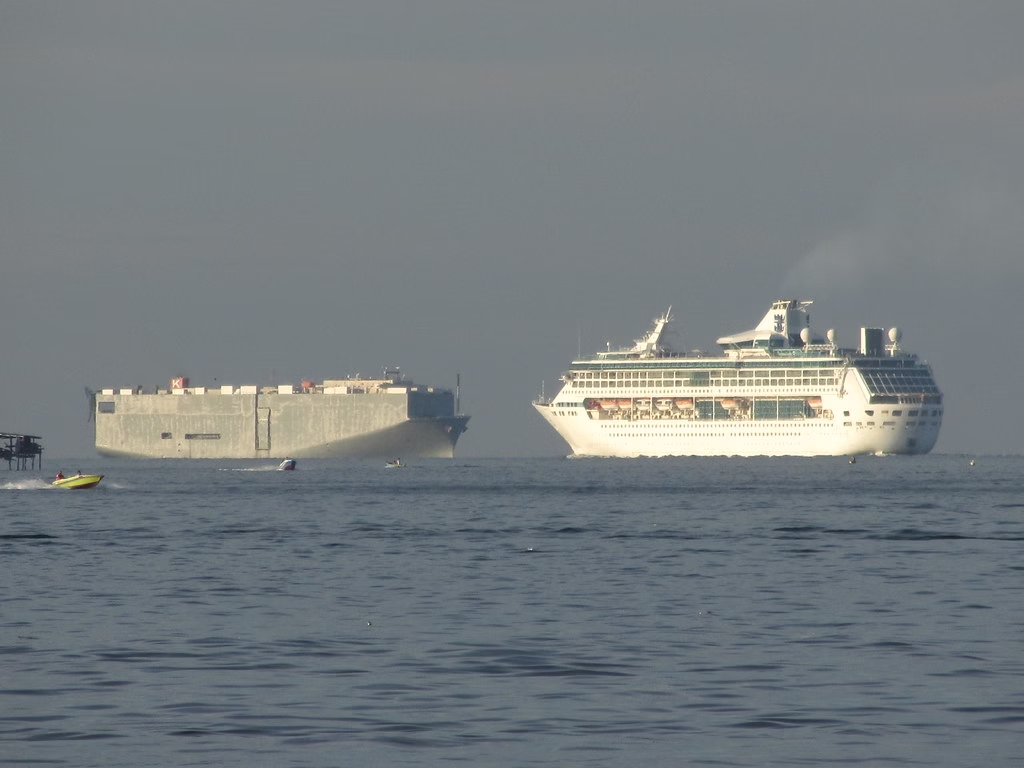
Chinese electric vehicle giant BYD has launched a strategic initiative to dominate global logistics by commissioning its own fleet of specialized car-carrier ships, beginning with the deployment of the BYD Explorer No. 1 in early 2024. By moving away from reliance on third-party shipping services, the Shenzhen-based automaker is securing direct control over its export supply chain, aiming to expedite the delivery of millions of vehicles to international markets across Europe, Southeast Asia, and South America.
The Logistics Bottleneck
For years, global automotive manufacturers have struggled with a severe shortage of Ro-Ro (roll-on/roll-off) vessels, a crisis exacerbated by the post-pandemic surge in demand for Chinese-made EVs. Traditional shipping costs skyrocketed, and limited vessel availability led to significant delivery delays for manufacturers attempting to scale exports.
BYD’s decision to build its own fleet is a direct response to these capacity constraints. By insulating its export operations from the volatile spot market for shipping, the company ensures that its vehicles reach key ports without waiting for third-party logistics providers to clear their schedules.
A Strategic Maritime Pivot
The BYD Explorer No. 1, which can transport 7,000 vehicles, represents only the beginning of a larger maritime investment. Reports indicate that BYD plans to introduce at least seven additional vessels over the next two years, creating a dedicated logistical corridor that connects Chinese production hubs to global consumer centers.
Industry analysts note that this vertical integration is unprecedented for a car manufacturer. While legacy automakers have long utilized chartered shipping, owning and operating a private fleet allows for optimized route planning and reduced overhead costs in the long term. This strategy mirrors the company’s broader approach to manufacturing, where it produces its own batteries, semiconductors, and software.
Expert Perspectives and Economic Data
Financial analysts point to the cost-efficiency of this model as a major competitive advantage. According to data from Clarksons Research, global Ro-Ro freight rates have remained historically high, providing a strong incentive for manufacturers to internalize shipping costs.
“BYD is treating its supply chain as a proprietary asset rather than a utility,” says automotive logistics consultant Marcus Thorne. “By controlling the vessel, they control the speed of their global market expansion, effectively bypassing the logistical hurdles that currently plague their competitors.”
Shifting Industry Dynamics
The implications of this move extend far beyond BYD’s balance sheet. As the company establishes its own maritime lanes, it challenges the traditional dominance of global shipping conglomerates that have historically managed the movement of vehicles from the factory floor to the dealership.
For consumers, this move suggests a more consistent supply of BYD vehicles in international markets, potentially lowering the final price point by reducing logistics-related surcharges. For competitors, the move highlights the growing necessity of supply chain resilience in an era of geopolitical and economic uncertainty.
Moving forward, market observers will be watching to see if other major automakers follow suit by acquiring their own fleets to mitigate similar risks. The success of BYD’s maritime strategy may trigger a broader trend toward internalizing global transport infrastructure, fundamentally altering the way the automotive industry manages international distribution.






















Leave a Reply