


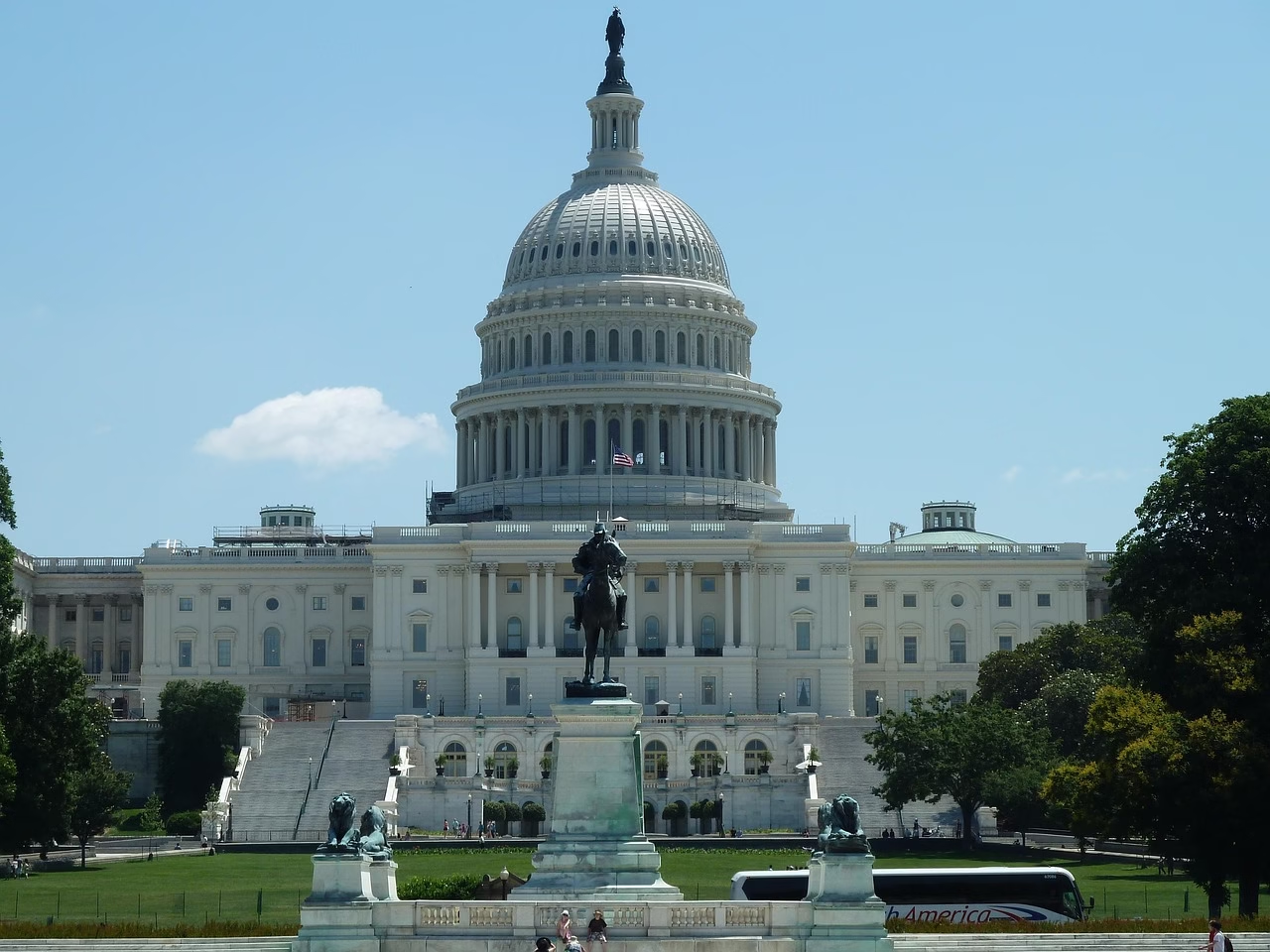
Leading artificial intelligence developers OpenAI and Anthropic significantly expanded their influence operations in Washington, D.C., during the second quarter of 2026, spending a combined $3.17 million on federal lobbying as lawmakers intensify efforts to regulate emerging technologies.
The joint expenditure represents a 23% surge compared to the first three months of the year, signaling a rapid acceleration in policy engagement by the companies shaping the frontier of generative artificial intelligence.
A Rapid Escalation in Capitol Hill Presence
The quarter-over-quarter spending bump highlights an aggressive pivot toward federal advocacy by AI firms that were virtually absent from K Street just two years ago. Public disclosure reports filed with the House and Senate show both firms expanded their in-house teams and retained prominent third-party lobbying agencies.
OpenAI accounted for the larger portion of the combined total, steering resources toward policy debates surrounding copyright, model evaluation standards, and federal compute infrastructure. Meanwhile, Anthropic expanded its outreach focused on AI safety frameworks, catastrophic risk mitigation, and public sector deployment.
This surge comes at a crucial moment as congressional committees draft bipartisan legislation aimed at establishing federal guardrails for advanced AI deployment. Lawmakers are currently debating mandatory safety testing, export controls on advanced semiconductors, and intellectual property protections for creators.
The Divergence from Legacy Tech and Defense Contractors
The aggressive expansion by AI developers stands in stark contrast to spending trends among traditional technology giants and defense primes. Lobbying expenditures from legacy tech firms and major defense contractors slipped across the same three-month period, reflecting broader corporate belt-tightening and shifting policy priorities.
Industry analysts attribute the decline in legacy tech spending to established regulatory positions and completed policy milestones from prior legislative sessions. For traditional defense contractors, budget uncertainties in broader federal procurement programs led to temporary retrenchment in advocacy overhead.
The divergence highlights a shifting guard in Washington’s influence economy. Emerging AI firms are filling the vacuum, positioning themselves as indispensable advisors to federal agencies and legislative committees tasked with national security and economic strategy.
Strategic Alignment with National Security and Infrastructure
Public disclosures indicate that a significant portion of the Q2 lobbying activity targeted federal agencies overseeing national security, energy, and commerce. Both OpenAI and Anthropic have actively positioned their models as critical national infrastructure vital to maintaining American technological leadership.
Key disclosure forms cite discussions regarding federal research grants, government procurement standards, and the integration of large language models into defense intelligence workflows. The engagement reflects growing recognition that federal policy will dictate market access and deployment scale.
According to data compiled by lobbying tracking groups, the tech sector’s total federal lobbying expenditure grew by 8% overall in Q2, driven almost entirely by the rapid growth of frontier AI firms and specialized hardware manufacturers.
Expert Perspectives on Washington’s Shifting Power Dynamic
Policy experts note that the influx of venture-backed AI capital into Washington is altering how technology policy is formulated. Rather than fighting regulation, advanced AI developers are actively seeking structured federal oversight that can provide regulatory certainty.
“Frontier AI developers recognize that the window to shape federal oversight is open right now,” said Dr. Elena Vance, a senior fellow at the Center for Tech Governance. “By ramping up spending while legacy players scale back, these companies are securing a seat at the table where standards, safety requirements, and federal procurement policies are being written.”
Critics, however, raise concerns about potential regulatory capture. Consumer advocate organizations argue that high spending levels by dominant AI firms could lead to policy frameworks that favor incumbent developers while creating high compliance barriers for open-source alternatives and smaller startups.
Implications and What to Watch Next
The aggressive lobbying push is expected to yield immediate legislative and regulatory consequences as Congress enters the final stretch of the legislative calendar. Observers anticipate critical votes on federal AI safety bills and export control measures before the end of the fiscal year.
Looking ahead, market watchers should monitor whether legacy tech firms counter this offensive with renewed spending in the second half of the year. Additionally, the federal government’s upcoming defense appropriations bill will serve as a key benchmark to measure how successfully AI developers convert lobbying dollars into lucrative government contracts.





















Leave a Reply