



The Middle Corridor Bottleneck: Navigating Renewed Tensions in the South Caucasus
For global logistics managers and international investors, the ‘Middle Corridor’ (the Trans-Caspian International Transport Route) has been the primary alternative to the sanctioned Russian Northern Route. However, as of May 2026, a surge in localized skirmishes near the Zangezur corridor and tactical shifts in the South Caucasus have transformed this vital artery into a high-risk zone.
The Current Situation
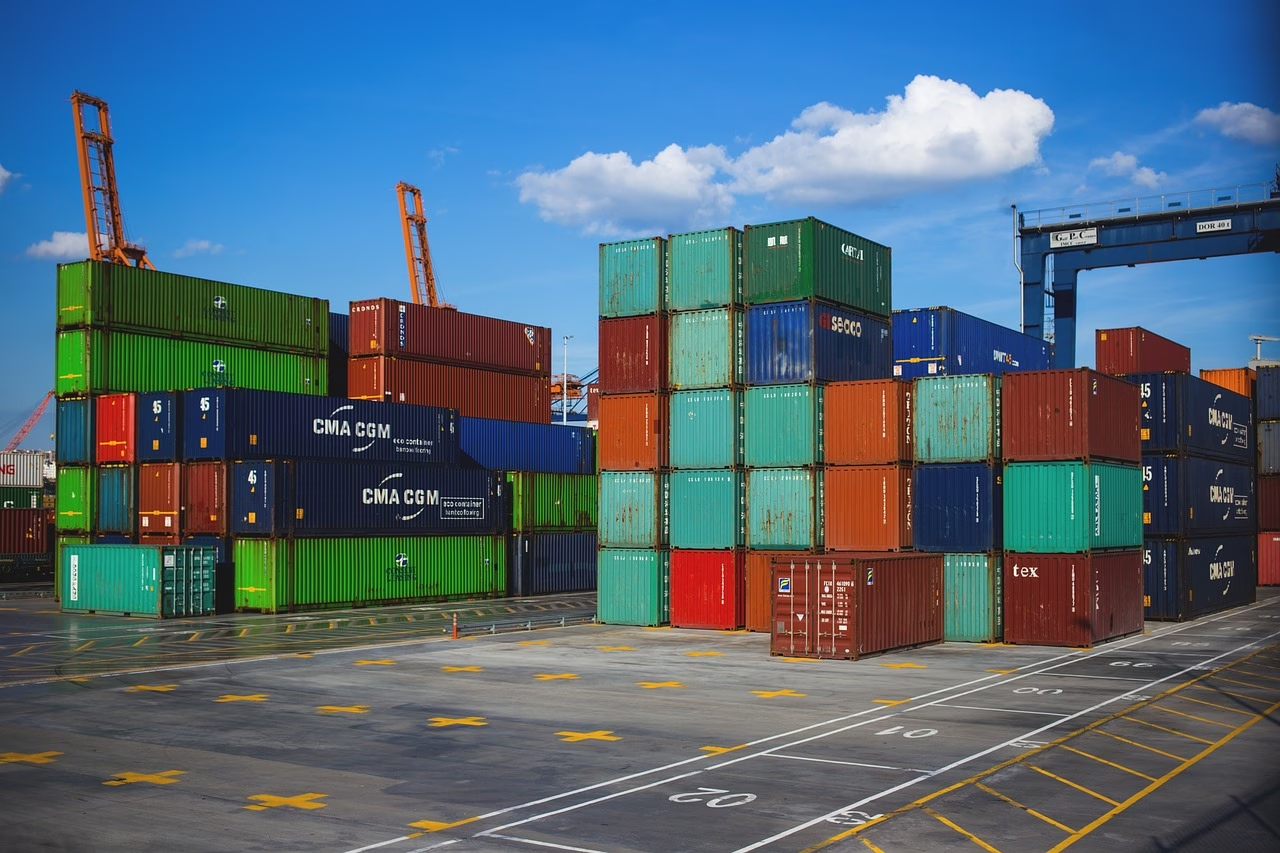
While the Red Sea remains volatile, the Middle Corridor—connecting China to Europe via Kazakhstan, the Caspian Sea, Azerbaijan, and Georgia—is facing unprecedented pressure. Recent border escalations have led to temporary closures of rail links and increased security screenings at the Port of Baku, creating a 12-day backlog for transit containers.
Real-Time Monitoring Tool: ACLED Data & MarineTraffic
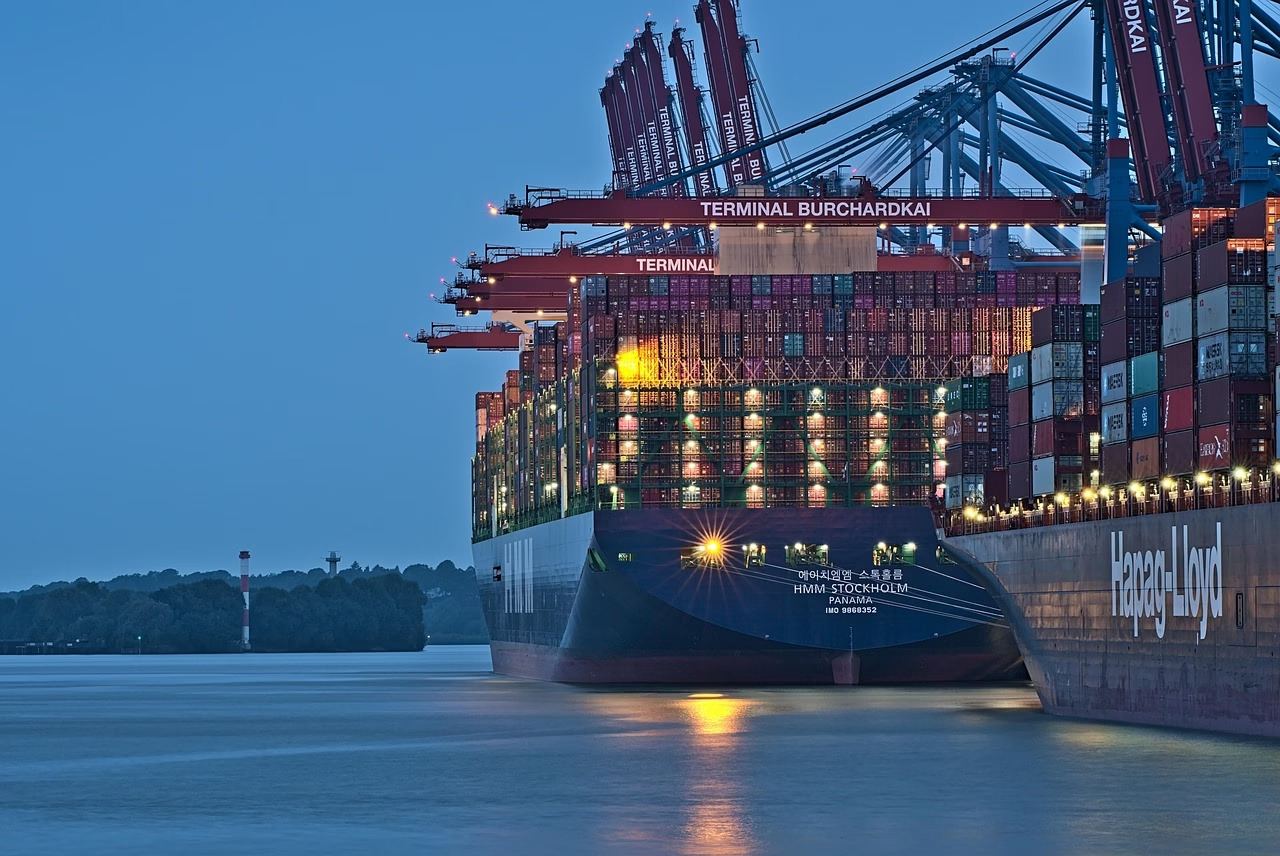
To stay ahead of these shifts, analysts are utilizing the ACLED (Armed Conflict Location & Event Data Project) dashboard. By filtering for ‘Strategic Developments’ and ‘Battles’ in the Caucasus region, businesses can identify conflict clusters before they hit mainstream financial news. Complementing this with MarineTraffic live port congestion data for the Port of Aktau and Port of Piraeus allows for a granular view of cargo flow disruptions.
Why This Matters for Your Business
- Logistics Managers: Expect freight insurance premiums for Trans-Caspian transit to rise by 15-20% over the next quarter. Diversification into multimodal sea-air routes via Dubai is no longer a luxury but a necessity for time-sensitive goods.
- Global Investors: Infrastructure bonds related to Georgian port expansions (Anaklia) are facing short-term volatility. Monitor the GEL (Georgian Lari) and AZN (Azerbaijani Manat) for sudden liquidity crunches.
- International Freelancers: If you are based in or contracting from Central Asia, be prepared for intermittent digital infrastructure disruptions as regional governments prioritize military bandwidth.
Strategic Action Plan
- Hedge Currency Exposure: If you have operations tied to the Middle Corridor, hedge against the KZT (Kazakhstani Tenge) to mitigate the impact of trade slowdowns.
- Audit Supply Chains: Identify ‘tier-two’ suppliers who rely on the TITR rail link. If your sub-components are stuck in Baku, your end-production in the EU will stall by June.
- Utilize Primary Sources: Move away from delayed news cycles. Use the BlackRock Geopolitical Dashboard to track how ‘Global Fragmentation’ scores are impacting emerging market yields in the Caspian region.
The Bottom Line: The Middle Corridor is not broken, but its status as a ‘safe’ bypass is over. Strategic agility in 2026 requires monitoring localized conflict data with the same rigor as interest rate hikes.
























Leave a Reply