



The Current Crisis: Persian Gulf Maritime Chokeholds
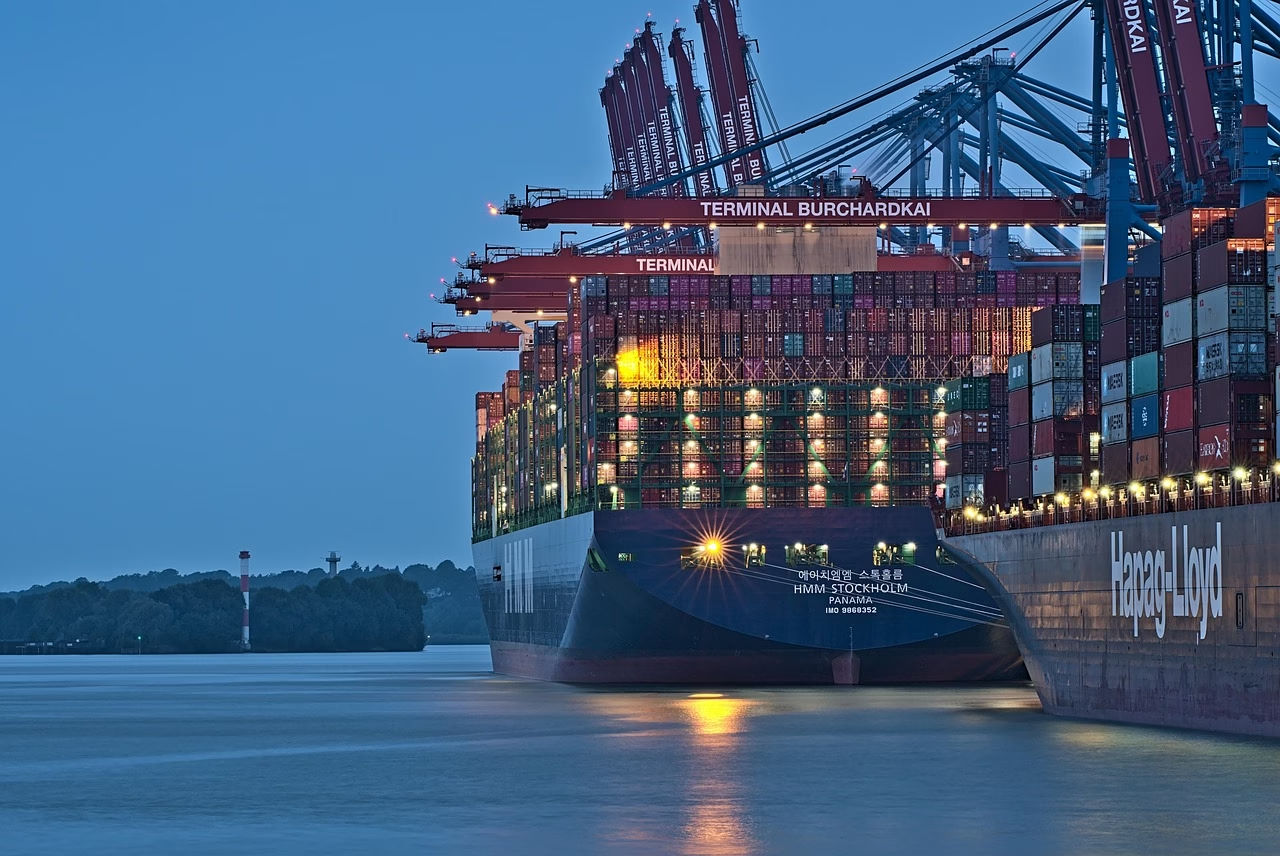
As of May 14, 2026, the Strait of Hormuz has entered a high-alert status following a series of ‘gray-zone’ maritime interdictions involving unmanned surface vessels (USVs). This is not a theoretical exercise; for business owners and logistics managers, this represents a direct threat to the 21 million barrels of oil and $1.2 billion in liquid natural gas that pass through this 21-mile-wide artery daily.
The Strategic Intelligence Tool: ACLED & Lloyd’s List
To monitor this situation in real-time, analysts are utilizing the ACLED (Armed Conflict Location & Event Data Project) dashboard. Unlike standard news outlets, ACLED provides granular data on ‘Events at Sea,’ allowing users to distinguish between minor harassment and kinetic strikes that trigger insurance clauses. Combined with Lloyd’s List Intelligence, which tracks ‘War Risk’ premiums, businesses can see exactly when insurance underwriters move the Persian Gulf into ‘Listed Area’ status, instantly raising shipping costs by 0.5% to 1.5% of the total vessel value.
Why This Matters for Your Business
This event creates a ripple effect beyond the energy sector:
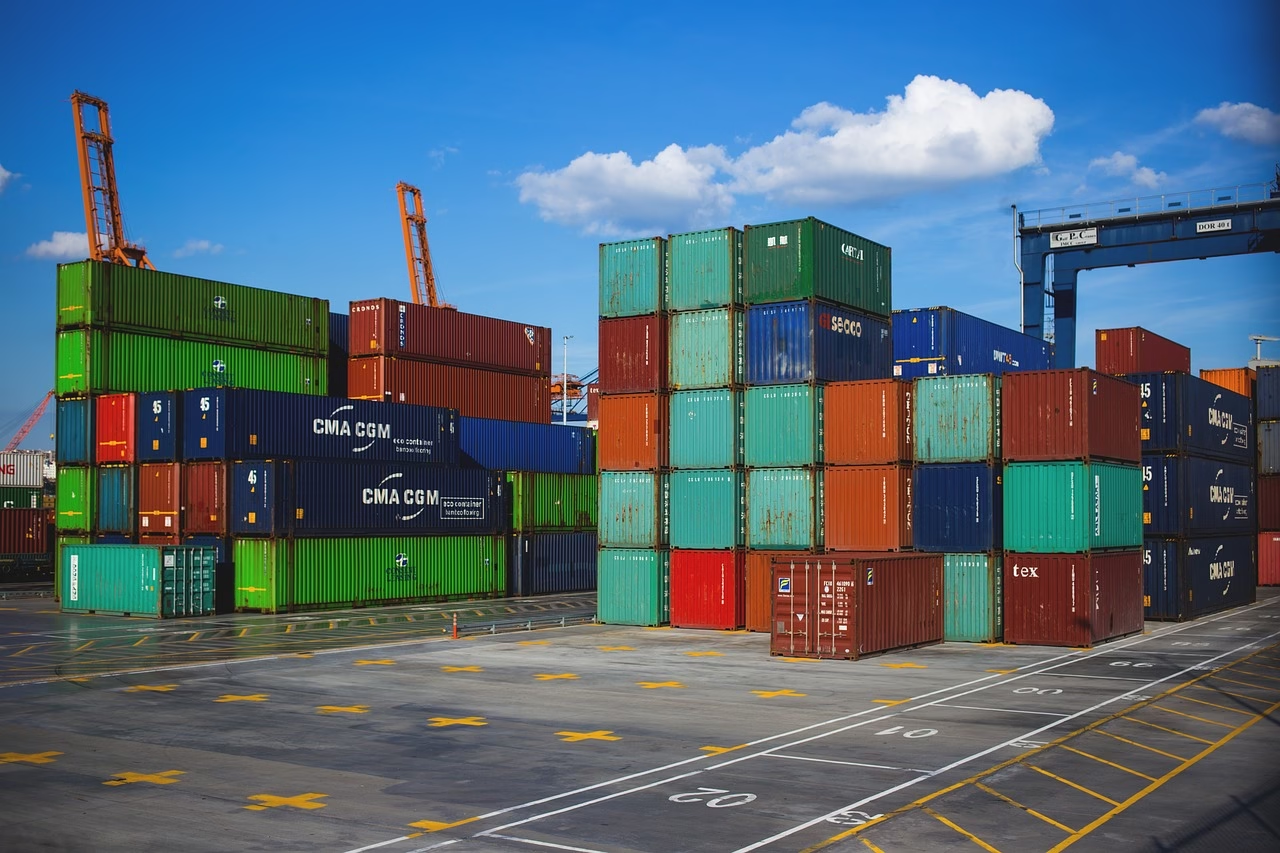
- Logistics Managers: Expect ‘Emergency Risk Surcharges’ (ERS) on all TEU (container) rates originating from or passing through the Middle East. If your cargo is delayed by more than 72 hours, ‘Force Majeure’ clauses may be invoked by carriers, absolving them of liability for late delivery.
- Global Investors: Watch the ‘Geopolitical Risk Premium’ in Brent Crude. A sustained $5-$10 spike acts as a hidden tax on global consumption, typically leading to a temporary pullback in discretionary consumer stocks and a rally in defense and cybersecurity ETFs.
- International Freelancers: Currency volatility is peaking in emerging markets heavily dependent on energy imports (e.g., India and Turkey). If you are invoicing in local currencies, consider hedging your exposure or moving to USD/EUR contracts immediately.
Historical Context: Tanker War 2.0
The current 2026 escalation mirrors the 1980s Tanker War but with a modern twist: drone saturation. While the 20th-century conflict relied on traditional naval mines, today’s risk involves low-cost, high-impact loitering munitions. This makes traditional naval escorts less effective and insurance assessments more volatile.
Actionable Strategic Steps
1. Audit Your Supply Chain: Identify ‘single-point-of-failure’ components that pass through the Persian Gulf. If your electronics or raw materials are transit-heavy in this region, look for air-freight alternatives for high-value/low-weight items.
2. Monitor the BGRI: Use the BlackRock Geopolitical Risk Indicator (BGRI) to track market ‘attention’ to Gulf tensions. When attention outpaces actual events, markets are overbought; when events outpace attention, a correction is imminent.
3. Contract Review: Ensure your shipping contracts define ‘War Risk’ specifically to include USV/Drone interference to avoid legal ambiguity during insurance claims.
























Leave a Reply