



The Diplomatic Landscape Shifts
In a significant development for international diplomacy, U.S. officials have released the text of a tentative agreement with Iran by dictating the contents to members of the press, signaling a potential thaw in long-standing hostilities. The disclosure, which occurred in Washington this week, comes as Iranian officials have publicly suggested that the accord could be finalized through a high-profile signing ceremony between U.S. President Donald Trump and Iranian President Masoud Pezeshkian.
Context of the Negotiations
The move follows months of back-channel communications aimed at curbing Iran’s nuclear ambitions while easing the stringent economic sanctions that have crippled the Iranian economy for years. Previous attempts at formalizing a long-term framework have frequently collapsed under the weight of domestic political pressure in both Tehran and Washington. This current iteration seeks to establish a verifiable monitoring protocol that addresses both U.S. security concerns and Iran‘s demand for sanctions relief.
Details of the Proposed Framework
The dictated text outlines a phased approach to nuclear transparency, requiring Iran to limit its uranium enrichment levels in exchange for a gradual lifting of trade restrictions. Analysts note that the unconventional method of releasing the text—bypassing traditional diplomatic channels for direct communication with the media—reflects a desire by both administrations to control the narrative before formal ratification. The potential for a meeting between the two leaders represents a sharp pivot from the rhetoric that has defined U.S.-Iran relations for the past decade.
Expert Perspectives
Foreign policy analysts are divided on the viability of such an agreement. Dr. Elena Vance, a senior fellow at the Center for Global Strategy, observed that “the reliance on executive-level signaling suggests that both leaders are looking for a legacy-defining achievement, yet the implementation of such deals remains vulnerable to legislative challenges in both countries.” Data from the International Atomic Energy Agency (IAEA) indicates that while Iran has increased its enrichment capabilities significantly since 2023, the proposed framework includes provisions for a return to 2015-level oversight protocols.
Implications for Global Markets and Diplomacy
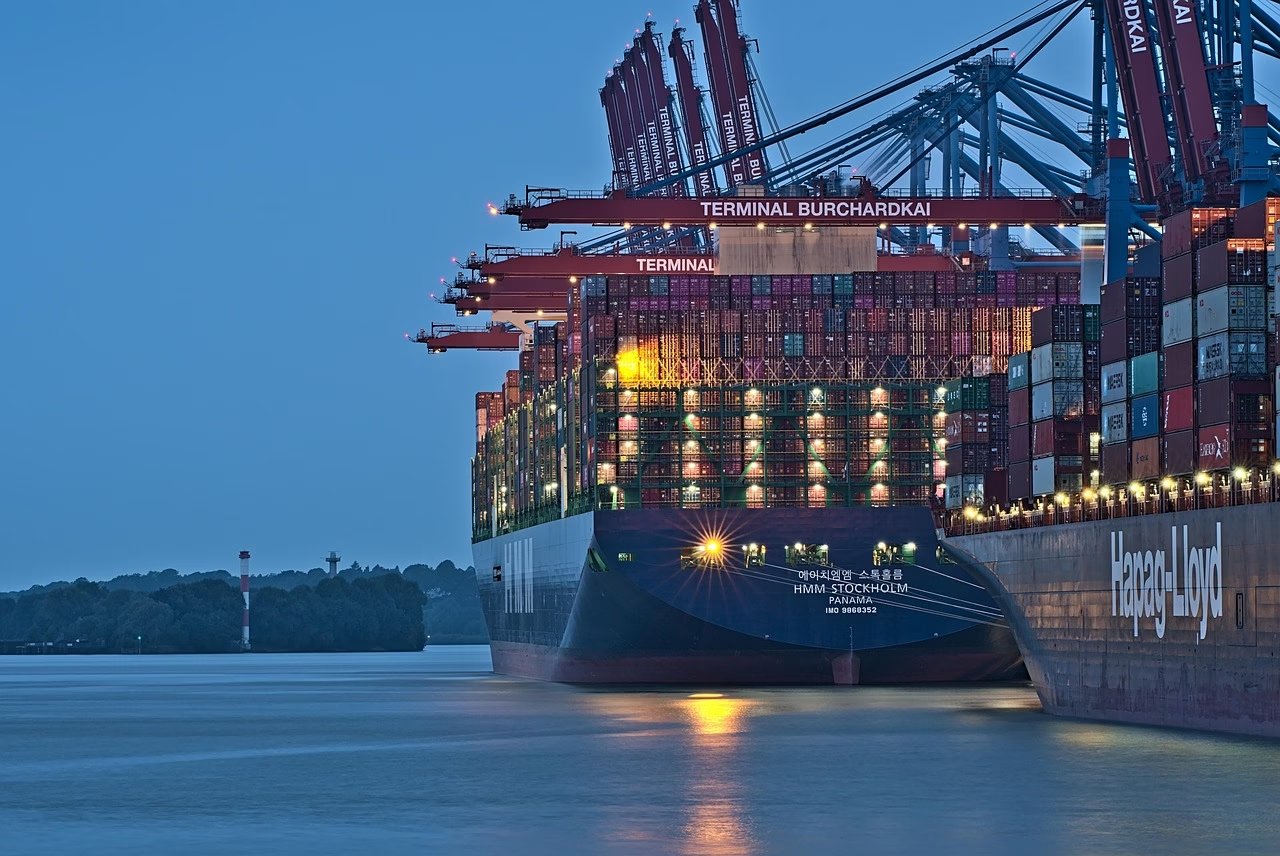
For the global energy sector, the potential normalization of U.S.-Iran relations could lead to a significant increase in oil supply, potentially stabilizing global prices that have been volatile throughout the current geopolitical crisis. However, industry experts caution that infrastructure degradation within Iran’s oil fields may delay any immediate surge in output. For regional allies, the deal creates a new security calculus, as neighboring states evaluate how a reduction in U.S.-Iran tension will impact existing defense pacts and intelligence-sharing agreements.
Looking Ahead
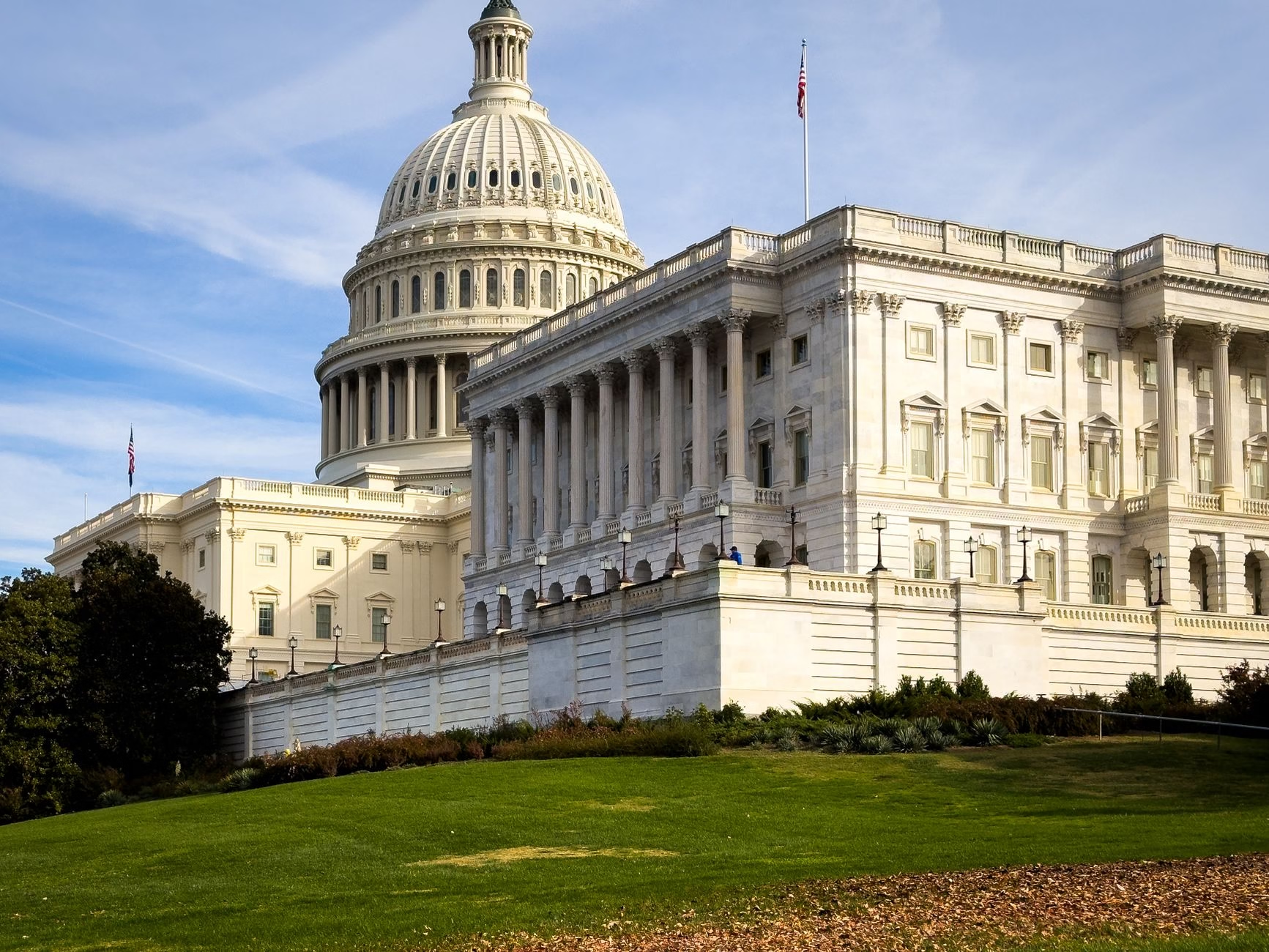
The global community is now watching for confirmation of a date and venue for the anticipated meeting between Presidents Trump and Pezeshkian. Observers are also monitoring the reaction of the U.S. Congress, as any formal treaty or executive agreement will likely face intense scrutiny regarding verification mechanisms. The coming weeks will determine whether this diplomatic momentum can overcome the deep-seated mistrust that has historically prevented a sustainable resolution to the nuclear standoff.




















Leave a Reply