


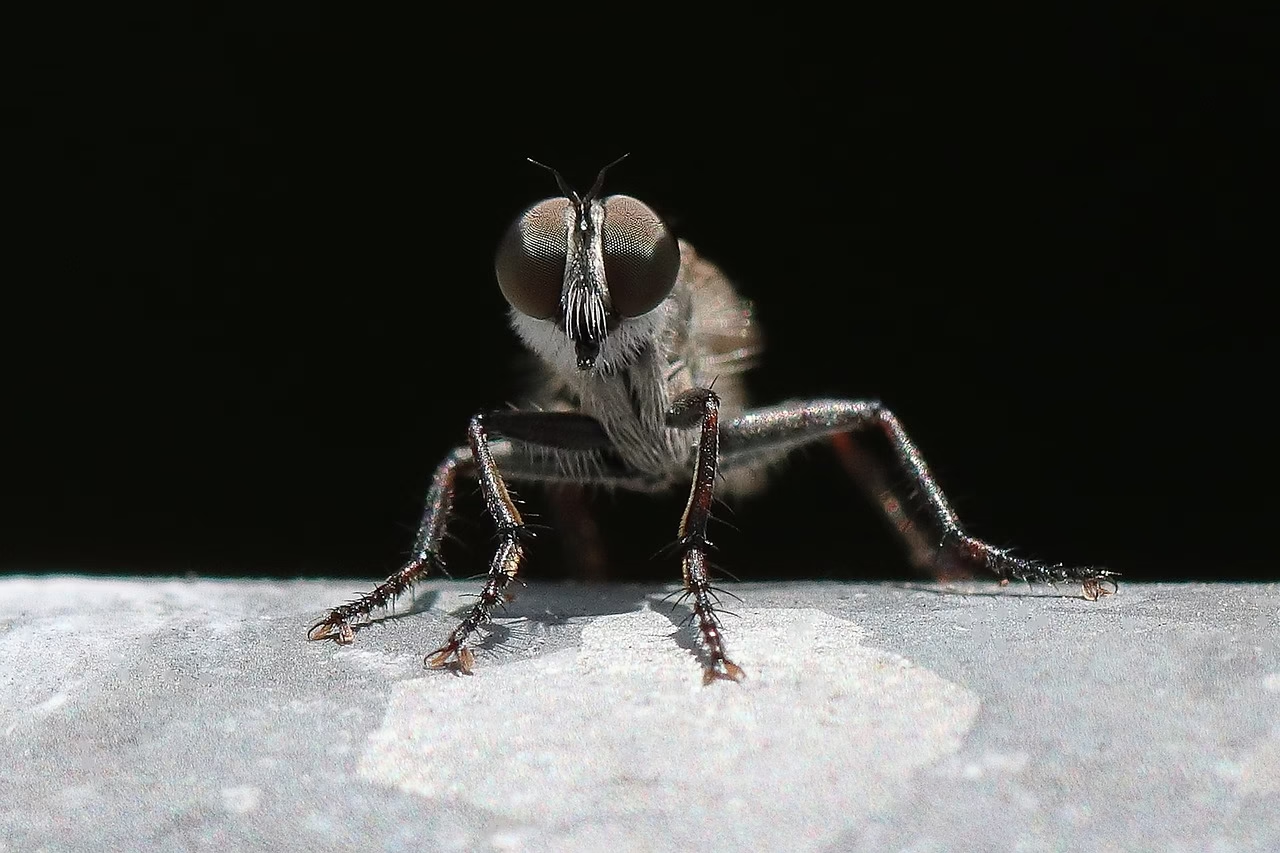
The Return of a Historic Agricultural Threat
The U.S. Department of Agriculture (USDA) confirmed this week that the New World screwworm fly has been detected in south Texas, marking a concerning re-emergence of a parasite that was declared eradicated from the United States more than four decades ago. Federal and state veterinary officials have initiated emergency response protocols in the affected counties to prevent the spread of the insect, which poses a severe threat to livestock and wildlife populations.
Understanding the New World Screwworm
The New World screwworm (Cochliomyia hominivorax) is not a typical fly; it is a parasitic insect that lays its eggs in the open wounds of warm-blooded animals. Once the eggs hatch, the larvae—or maggots—feed on the living tissue of the host, which can lead to rapid infection, severe tissue damage, and death if left untreated.
The United States successfully eradicated the species in 1966 through the innovative use of the Sterile Insect Technique (SIT), which involved releasing millions of sterilized male flies to disrupt the reproductive cycle. This effort saved the American cattle industry billions of dollars and remains one of the most successful agricultural pest control programs in history.
Current Containment Efforts
Texas animal health officials are currently working alongside the USDA’s Animal and Plant Health Inspection Service (APHIS) to conduct surveillance and implement quarantine measures. The response includes the inspection of livestock moving out of the affected zones and the deployment of specialized traps to gauge the scope of the infestation.
According to the Texas Animal Health Commission, producers are being urged to inspect their herds daily for signs of infestation, such as weeping wounds or unusual animal behavior. Early detection is considered the most effective tool for preventing a widespread outbreak that could mirror the devastating losses recorded in the mid-20th century.
Expert Perspectives and Economic Impact
Agricultural economists warn that the economic implications of a sustained infestation could be significant. Livestock producers face not only the direct cost of potential animal mortality but also the burden of increased veterinary expenses, labor costs for monitoring, and potential trade restrictions on exported meat products.
Dr. Elena Rodriguez, a veterinary entomologist, notes that the environmental conditions in south Texas—characterized by high humidity and moderate temperatures—provide an ideal habitat for the flies to thrive. “The primary concern is how quickly the population can establish itself if not aggressively managed,” Rodriguez stated. She emphasized that the current detection serves as a reminder of the fragility of pest-free status in an era of increased global movement.
Future Implications and What to Watch
The immediate focus for the agricultural industry remains the successful containment of the current site. Industry experts are closely monitoring whether the detection is an isolated incident related to regional migration or the beginning of a broader, established presence in the border region.
Looking ahead, policymakers are expected to review funding for long-term monitoring programs and the maintenance of sterile fly production facilities. The coming weeks will be critical as officials determine if the current measures are sufficient to contain the population or if more restrictive movement protocols are required to protect the integrity of the U.S. beef supply chain.





















Leave a Reply