


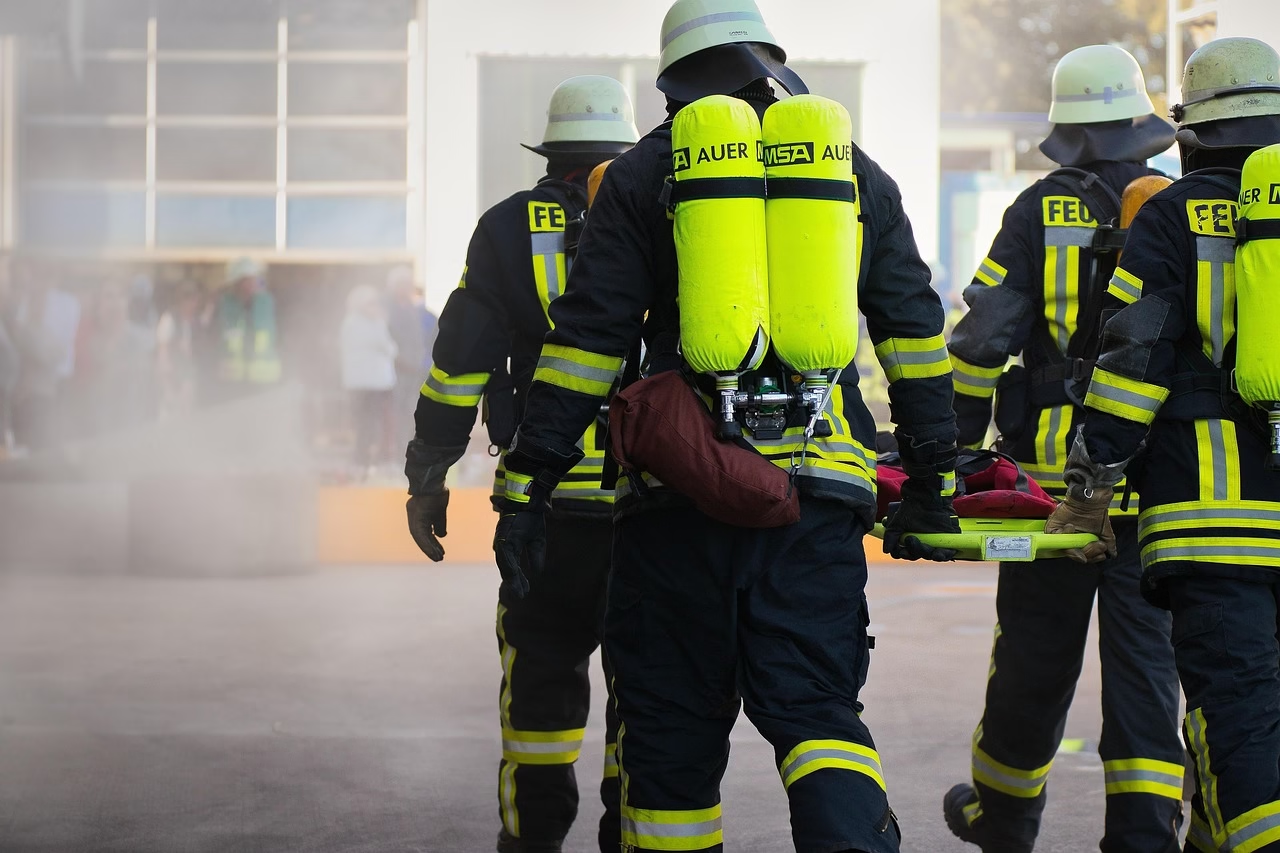
The Rescue Operation
International and local rescue teams successfully extracted a man from a flooded cave system in rural Laos on Tuesday, marking the end of a harrowing eight-day ordeal. The unidentified individual became trapped underground following heavy monsoon rains that caused rapid flash flooding within the cavern, prompting a complex multi-agency operation that spanned over 190 hours.
Video footage released by local authorities late Tuesday showed rescuers navigating treacherous, waterlogged passages to reach the survivor. The operation involved specialized divers and geological experts who worked around the clock to manage water levels and stabilize the cave structure.
The Risks of Subterranean Exploration
Cave exploration in Laos is a high-risk activity, particularly during the region’s intense rainy season. The limestone karst topography that defines much of the Lao landscape is prone to rapid flooding, as subterranean tunnels can fill with debris and water in a matter of minutes during heavy downpours.
Geologists note that these cave systems are often interconnected, creating unpredictable currents and pressure changes. When water levels rise, trapped pockets of air can disappear rapidly, leaving explorers with limited survival space. This specific incident highlights the extreme environmental challenges posed by the region’s geography, where rapid weather shifts can turn recreational cave exploration into a life-threatening crisis.
Operational Challenges and Coordination
The rescue effort was complicated by the remote location of the cave, which limited access for heavy equipment and medical support teams. Coordination between provincial authorities and voluntary cave rescue experts was essential to the success of the mission, according to government spokespersons.
Data from local emergency management offices suggests that this was the most complex cave rescue in the province in recent memory. Rescuers utilized high-powered pumps to clear blocked sections of the tunnel, while communication lines were established via waterproof signaling equipment. Medical personnel were stationed at the cave entrance, prepared to treat the survivor for potential hypothermia and dehydration immediately upon exit.
Industry and Safety Implications
This event serves as a critical reminder for the tourism and adventure travel industries regarding the importance of strictly monitoring meteorological data. Experts in wilderness survival emphasize that cave tourism operators in Southeast Asia must implement more rigorous emergency protocols and real-time weather monitoring to prevent future incidents of this nature.
For the broader adventure travel community, the incident underscores the necessity of carrying specialized gear, including long-duration oxygen supplies and waterproof communication devices. Insurance providers and local regulators are expected to review safety standards for cave sites in the region in the coming months, potentially leading to stricter access regulations during peak monsoon periods.
As the survivor recovers in a local hospital, regional authorities are expected to conduct a full review of the incident to determine if existing warning systems were sufficient. Observers should look for potential mandates requiring professional guides for all subterranean expeditions in the area, as well as the installation of permanent, high-capacity drainage systems in popular cave tourism corridors.





















Leave a Reply