



The Crisis at the Throat of Global Trade
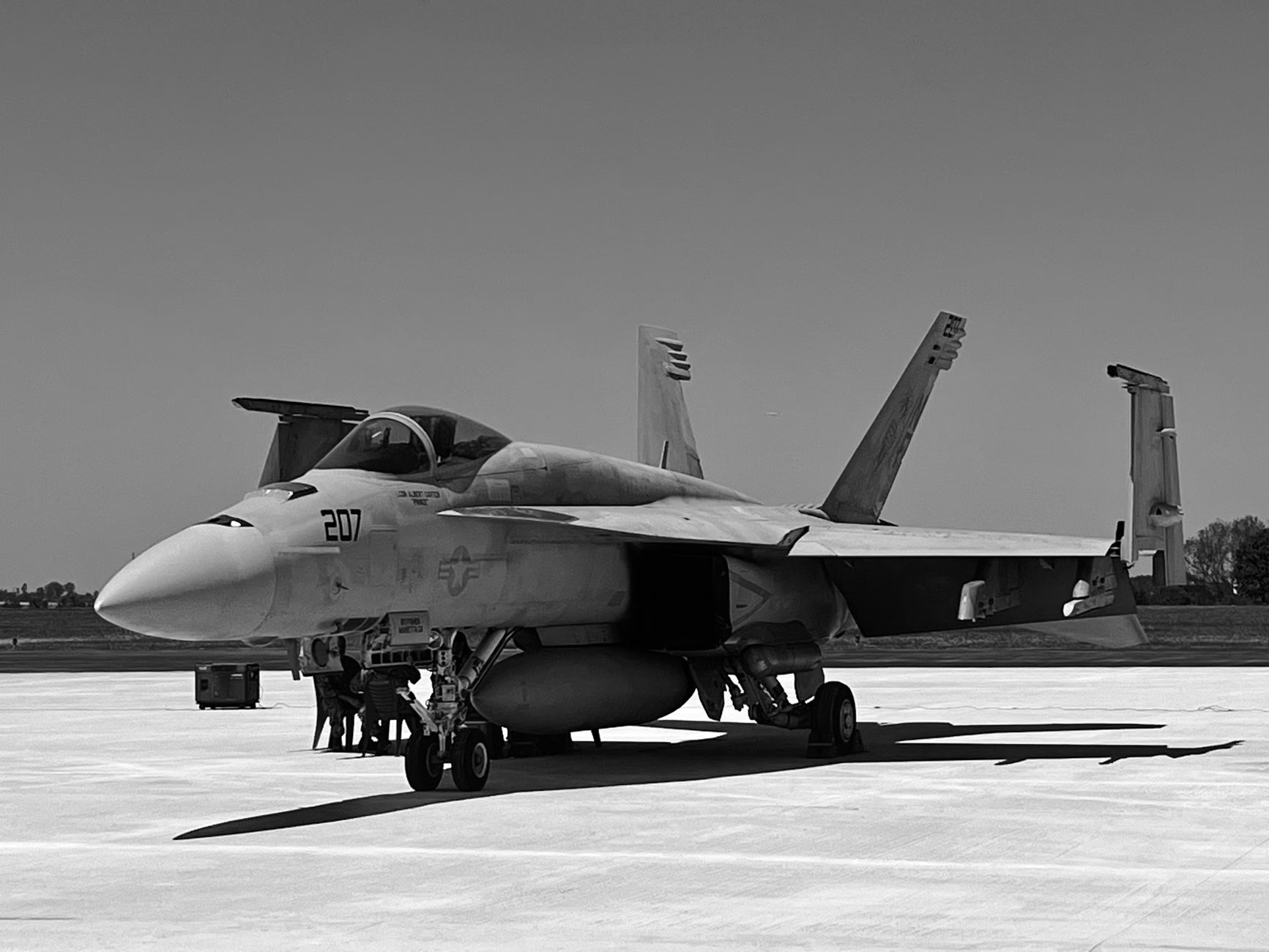
As of May 13, 2026, the Strait of Malacca has reached a breaking point. Increased naval ‘gray zone’ activities and a 15% year-on-year surge in vessel volume have pushed transit delays to an average of 72 hours. For business owners and logistics managers, this isn’t just a delay—it is a massive drain on capital and a threat to ‘just-in-time’ inventory models.
The Tool: Monitoring the Flow
To navigate this disruption, strategic analysts are utilizing MarineTraffic’s Live Congestion Layer and AIS (Automatic Identification System) density maps. By tracking real-time ‘vessel waiting times’ at the Port of Singapore versus the emerging Ranong-Chumphon corridor in Thailand, investors can see exactly where the friction is mounting before it hits the balance sheet.
Historical Context: Why Now?
The 2026 crisis is the result of a ‘perfect storm’: the culmination of the 2025 South China Sea maritime disputes and the rapid industrialization of Vietnam and Indonesia. The Strait, which carries 40% of global trade, is physically incapable of handling the current TEU (Twenty-foot Equivalent Unit) load. This has accelerated the Thai Land Bridge project—a multi-billion dollar rail and road link bypassing the Strait entirely—shifting the geopolitical gravity of Southeast Asia northward.
Direct Impact on Your Operations
- Logistics Managers: Expect a 12-18% increase in freight insurance premiums for any cargo transiting the Malacca-Singapore loop this month.
- Global Investors: Capital is aggressively rotating into Thai infrastructure REITs and Vietnamese industrial zones that sit outside the primary ‘choke point’ zone.
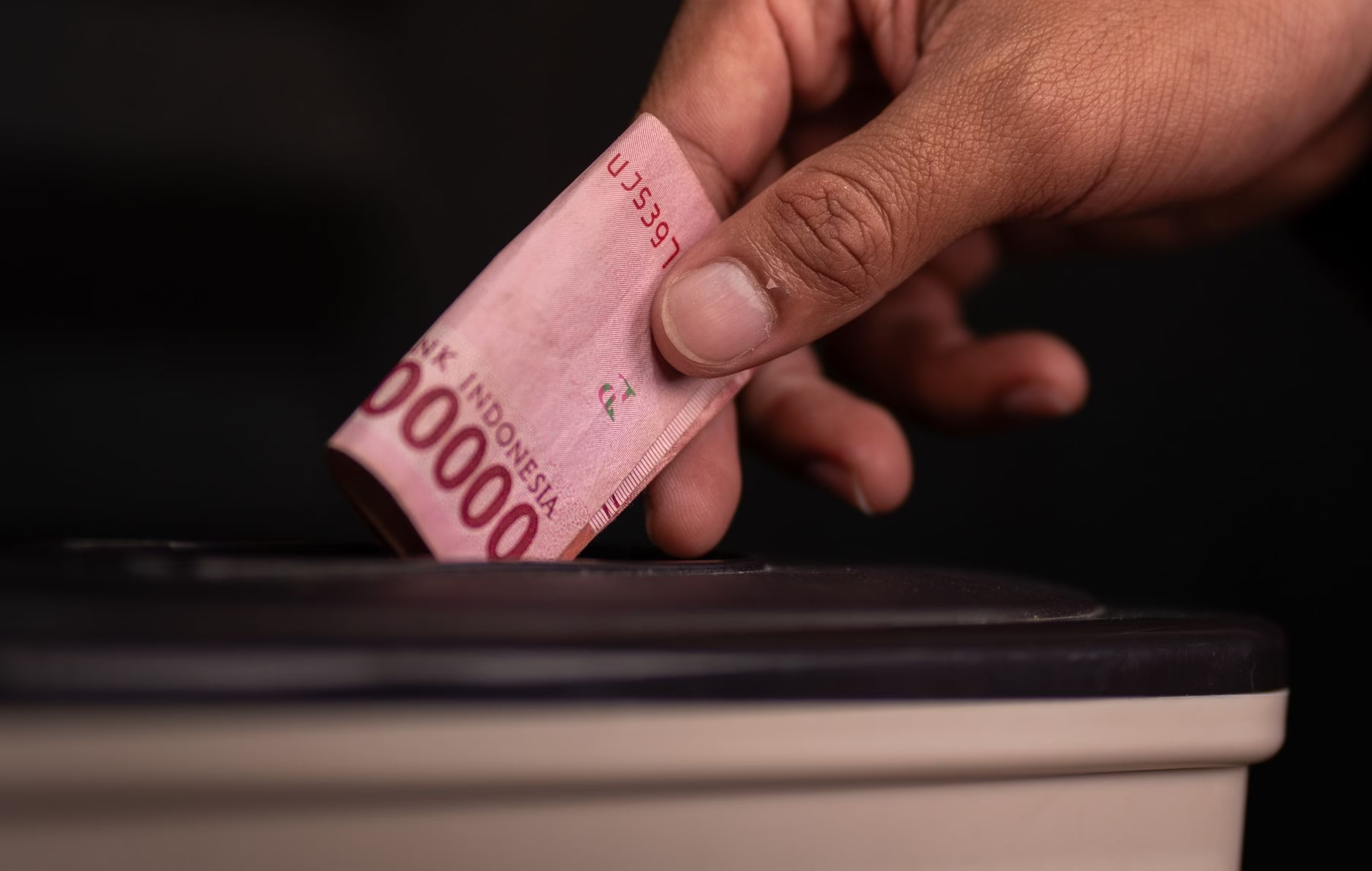
- International Freelancers: Digital nomads and service providers in the region should anticipate localized currency volatility in the SGD (Singapore Dollar) as port revenues face their first significant threat from northern competitors.
Actionable Strategy
Do not wait for a total blockage. Diversify your shipping routes now by exploring ‘multi-modal’ options through the Kra Isthmus. Use AIS data to identify ‘Tier 2’ ports in Indonesia that offer faster turnaround times, even if the inland transport cost is higher. In 2026, speed and reliability are more valuable than low-cost fuel routes.























Leave a Reply