


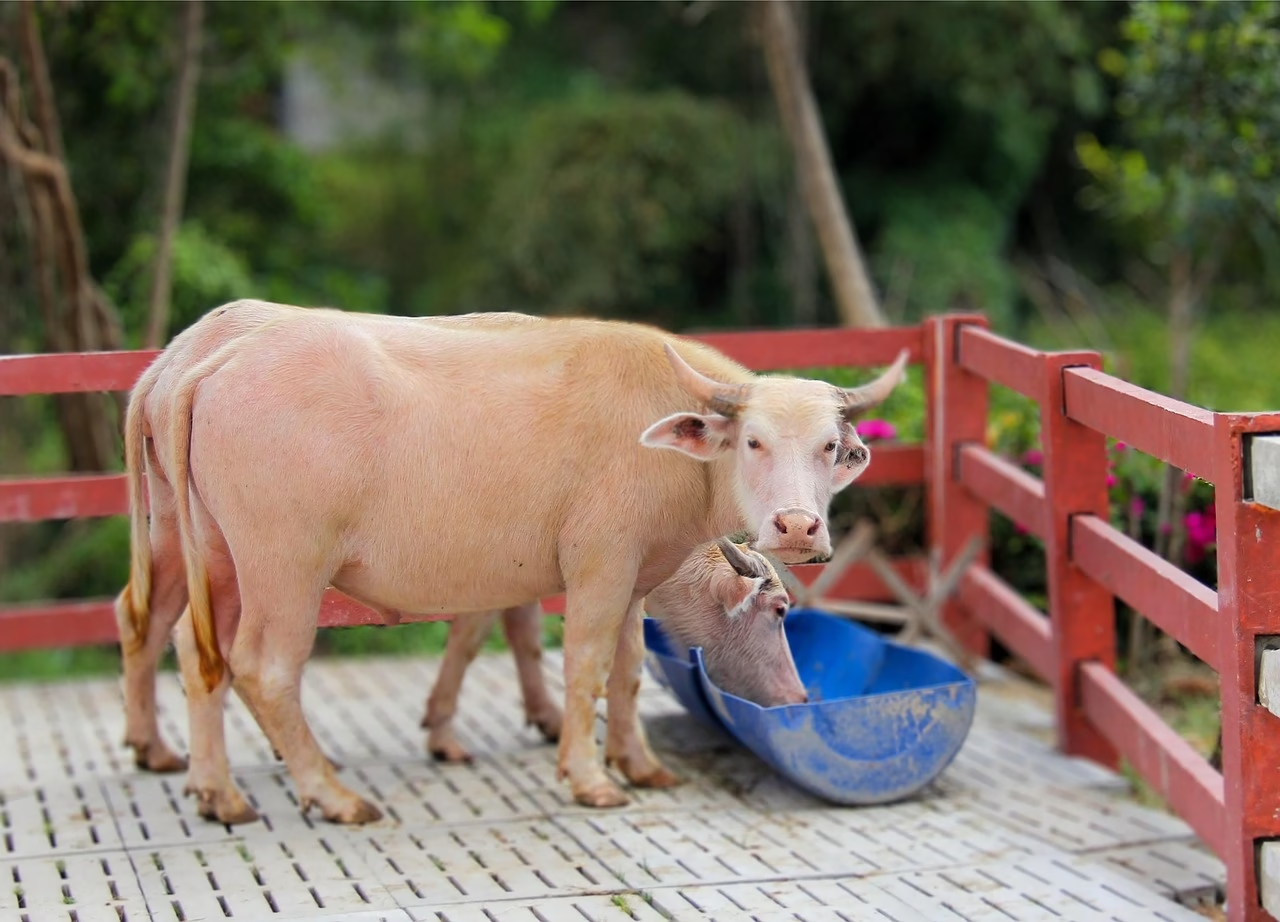
Authorities in Bangladesh intervened this week to spare a 1,500-pound albino buffalo from slaughter after the animal gained international viral fame due to its striking, humorous physical resemblance to former U.S. President Donald Trump. The buffalo, which had been slated for sale during the upcoming Eid-al-Adha festival, was removed from the market following significant public outcry and local administrative oversight.
The Intersection of Viral Trends and Cultural Tradition
Eid-al-Adha, often referred to as the Festival of Sacrifice, is a major religious holiday in Bangladesh. During this time, millions of livestock are purchased for traditional qurbani, or sacrifice. The buffalo, affectionately dubbed ‘Donald Trump’ by locals due to its unique coat and perceived facial expressions, became an overnight sensation on social media platforms including Facebook and TikTok.
The animal’s owner initially sought a high price for the buffalo, capitalizing on the media attention. However, as the animal’s fame grew, animal welfare advocates and local officials expressed concern regarding the ethical implications of slaughtering a mascot that had captured the public’s imagination.
Regulatory Intervention and Public Sentiment
In a rare move, local administrative officials stepped in to halt the sale as the festival approached. By prohibiting the sale of the animal for meat, authorities effectively transitioned the buffalo from a commodity to a local landmark. The decision reflects a broader trend of shifting public sentiment regarding the treatment of animals that achieve viral status online.
According to data from local livestock markets, the price of premium cattle and buffalo for Eid-al-Adha can reach upwards of several thousand dollars. While the financial loss to the owner remains a point of contention, the intervention highlights the growing influence of digital media on traditional agricultural practices.
Economic and Cultural Implications
For the agricultural sector, this incident underscores the unpredictable nature of livestock valuation in the social media age. When an animal becomes a ‘celebrity,’ its market value often detaches from its utility as meat, creating a new class of protected livestock that exists outside traditional supply chains.
Industry analysts suggest that this trend could lead to more frequent interventions by authorities when viral animals are marked for slaughter. As digital platforms continue to bridge the gap between global politics and local customs, the line between agricultural assets and cultural icons becomes increasingly blurred.
Looking ahead, observers are watching to see if this case sets a legal precedent for how ‘celebrity’ animals are handled in future religious festivals. The ongoing debate over whether these animals should be preserved as attractions or processed according to tradition remains a complex challenge for local governments and farmers alike.























Leave a Reply